Prosper Ndlovu in MOSCOW, Russia
ZIMBABWE and Russia are exploring expanded health sector cooperation focused on technology transfer, medical training and local pharmaceutical production to reduce reliance on imported medicines and equipment.
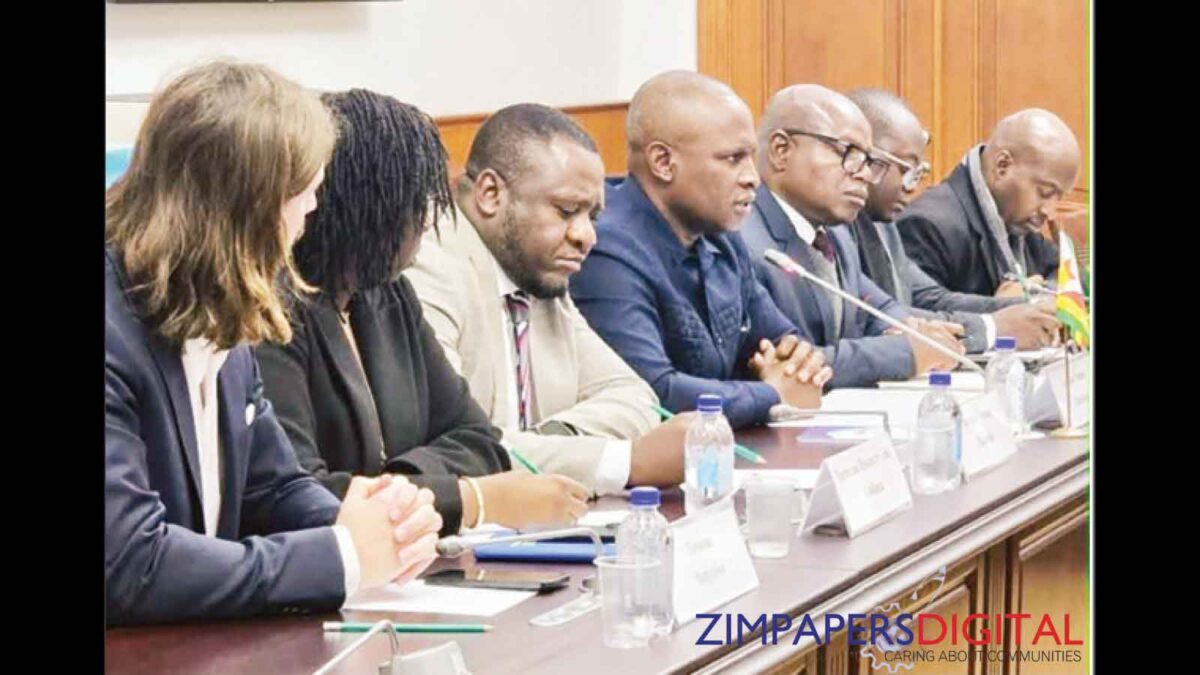
Health and Child Care Deputy Minister Sleiman Kwidini said discussions with Russian Health Minister Mikhail Albertovich Murashko, as well as a tour of the Pharmasyntez-Nord Group in St Petersburg by a delegation led by Vice President Dr Kembo Mohadi on Monday, have opened avenues for deeper bilateral collaboration.
Speaking in an interview in Moscow yesterday during VP Mohadi’s working visit, Deputy Minister Kwidini said the Government is shifting its focus from importing medical supplies towards building domestic production capacity and strengthening knowledge exchange.
“The most important issue that was discussed was knowledge exchange. There are still more issues to be discussed because, as a country, we do not want a situation where we keep on buying without developing our own production capacity,” he said.
Under the proposed arrangement, Zimbabwean specialists will undergo advanced training in Russia, while Russian professionals will visit Zimbabwe to impart skills to local health workers, a model similar to existing cardiac surgery partnerships with Egypt.
“Everyone knows that Russia is our all-weather friend. So, there is no doubt that they can provide the expertise that we require,” he said.
Russia has already donated mobile laboratory equipment to boost local diagnostic services as Zimbabwe works towards manufacturing similar technologies domestically. This builds on earlier Russian support in establishing the Helidrive Air Ambulance service, which has reduced patient transfer delays by about 90 percent.
“Russia has donated mobile laboratory equipment, which is one of the incentives for us because they manufacture some of the equipment that we need back home, and we intend to produce similar equipment ourselves,” Deputy Minister Kwidini said.
On pharmaceutical manufacturing, Zimbabwe is courting Russian firms, including Pharmasyntez-Nord, to establish local plants to bridge domestic medicine supply gaps.
“Our main objective is for that company, and other Russian manufacturing companies, to come to Zimbabwe and manufacture drugs locally to help address the gaps that exist within our pharmaceutical industry,” he said.
Talks also focused on aligning Russian regulatory protocols with those of the Medicines Control Authority of Zimbabwe (MCAZ) to facilitate investment and procurement.
Deputy Minister Kwidini noted that Zimbabwe’s central location in Southern Africa and its chairmanship of the Common Market for Eastern and Southern Africa (COMESA) provide Russian investors with a strategic regional distribution hub.
“These are some of the issues we are discussing with them to demonstrate how that market can be accessed because demand determines the market. The closer businesses are to the people, the greater the demand and the wider the market opportunities,” he said.
The Government will now review Russia’s proposals and prioritise areas for immediate implementation.
“As a nation, we have seen the proposals that have been put before us. It is now up to us as Government to prioritise the areas we need to address first as we move forward,” he said.