Vusumuzi Dube
Patrick Chitumba, Midlands Bureau
FROM forests to shopping malls, schools and service stations to gated communities, the Midlands Province is undergoing a visible transformation.
Since the coming in of the Second Republic, construction cranes, cement trucks and building crews have become a common sight across all eight administrative districts, signalling a surge in investment by individuals, businesses and the Government.
The province is humming with activity. At Shangani, in Lower Gweru at Insukamini and across urban centres like Kwekwe and Gweru, new structures are rising.
The same is true further out at Mberengwa Turn-off, Ziko and in both Gokwe North and South, where schools, residential stands and commercial buildings are reshaping once-quiet areas.
“What used to be open land or forest is now turning into shopping malls, service stations, schools or residential areas,” said a Gweru-based contractor Ambassador Smelly Dube, who has worked on several separate housing development projects in the Midlands Province.
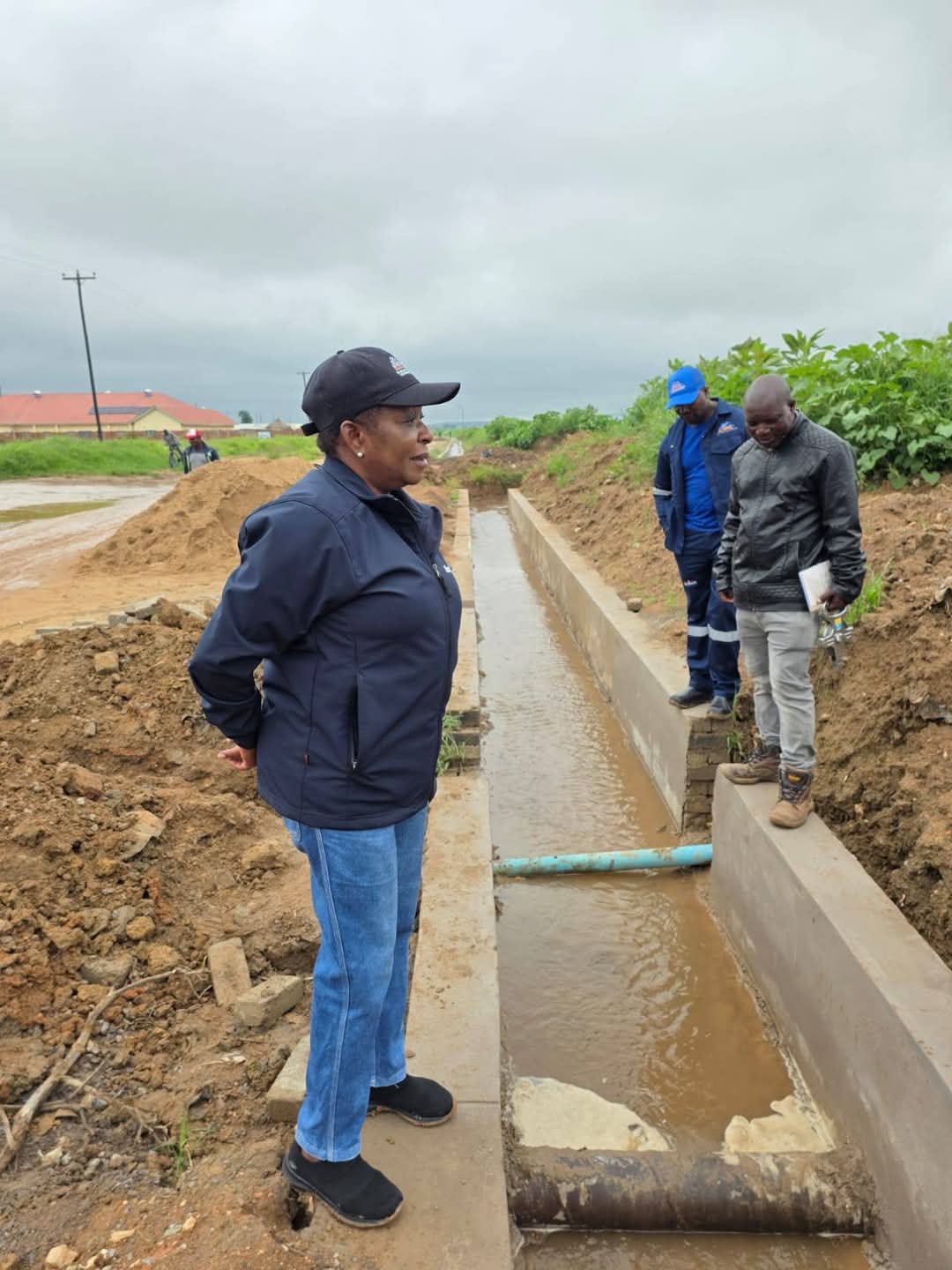
“The demand is coming from everywhere, private developers, diaspora-funded housing and government infrastructure.”
Gated communities are also taking shape, particularly around Gweru and Kwekwe, as middle-income earners and diaspora investors move to secure modern housing.
In Redcliff and along the Gweru-Kwekwe corridor, billboards advertising new residential developments now dot the roadside.
The construction boom is not limited to urban centres. At rural growth points, classroom blocks, clinics and service centres are being built under devolution funding, while private players are putting up lodges, fuel stations and retail complexes along major highways.
The Mberengwa Turn-off has seen a cluster of new service stations and shops emerge in the last two years, serving travellers and local communities.
Analysts say the surge reflects improved confidence and a deliberate policy push. Since 2018, the Second Republic has emphasised infrastructure development as a driver of Vision 2030, with the Midlands benefitting from its central location, mineral wealth and strong transport links.
President Mnangagwa has positioned housing development as a key pillar of Zimbabwe’s national development agenda under the Second Republic, aiming for an upper-middle-income economy by 2030.
Recently, the President noted that investments in real estate and retail infrastructure are critical to Zimbabwe’s industrialisation drive, revealing that the wholesale and retail sector contributed over 11 percent to the country’s Gross Domestic Product in 2024, with projected growth of 7,4 percent by 2026.
He urged investors to expand similar developments nationwide including rural areas and high-density suburbs while embracing modern, climate-smart designs.
The Government’s focus on infrastructure development, coupled with the opening up of gold mining opportunities for small to medium-scale miners, has created a buzz in the province.
Under the Second Republic, the construction of the Shurugwi Mhandamabwe highway, a key Government initiative, is enhancing connectivity and facilitating trade — a crucial ingredient for a thriving local economy.
Private sector companies, such as River Valley Properties, Sheasham Investments and Zimbuild, are leading the charge in housing development, complementing Government efforts to address the housing shortage.
These companies are constructing affordable homes, apartments and commercial properties, catering to the growing demand for quality living spaces.
“We are seeing a significant increase in demand for housing, driven by the influx of people moving to the Midlands for work,” added Amb Dube, who is the chief executive officer of River Valley Properties.
“Our focus is on providing affordable, quality housing solutions that meet the needs of the growing population.”
Amb Dube said the construction boom is having a ripple effect on the local economy, with numerous benefits for residents and businesses.
She said some of the benefits include job creation adding that the construction industry is employing hundreds of locals, providing them with a steady income and improving their standard of living.
“The construction boom is also creating opportunities for skills transfer, as local workers learn new skills and gain experience in the industry. The construction of affordable homes and apartments is improving access to quality housing for locals, addressing a long-standing shortage,” she explained.
Amb Dube said the construction boom is contributing to economic growth, as investors pour money into the province and businesses benefit from improved infrastructure.
Amb Dube commended the Second Republic under the leadership of President Mnangagwa for putting in place an enabling environment for the construction sector to grow as the economy also grows in line with Vision 2030.
The construction boom is not limited to housing; businesses are also investing in shops, warehouses, and other commercial properties.
In Gokwe, Kwekwe and Shurugwi for example, new shopping centres are under construction, featuring modern retail spaces, offices and apartments.
The “Zimbabwe is Open for Business” initiative has attracted investment, creating opportunities for local businesses to thrive.
Dr Tinashe Manzungu, president of the Zimbabwe Building Contractors Association (ZBCA) noted that the Midlands Province is poised to become a key economic hub, driven by its strategic location, natural resources and entrepreneurial spirit.

He praised the Government’s commitment to engaging local firms for key infrastructure rehabilitation, such as roads.
“Employing local companies enhances infrastructure and promotes local economic participation,” he said.
“This local hiring creates jobs and provides training opportunities that might not otherwise be available.”
Dr Manzungu emphasised the responsibility of local firms to match the quality of their multinational counterparts, saying: “We are committed to delivering high-quality work and these opportunities have elevated our status in the industry.”
He also highlighted the need for innovation and adaptation in the construction sector, adding: “Zimbabwe’s construction sector cannot risk being left behind and thus should evolve. The industry now demands digital highways that connect rural communities to global markets, building green structures that reduce carbon footprint and engineering smart cities that redefine.”
Turning to the construction boom in Zimbabwe, Dr Manzungu noted that the sector has recorded remarkable growth over the past five years, with investments increasing from US$400 million in 2020 to US$800 million in 2024 and cumulative investment reaching US$3,1 billion by the third quarter of 2025.
“The construction boom is a testament to the province’s potential guided by the Nyika inovakwa nevene vayo/Ilizwe lakhiwa ngabanikazi balo philosophy driven by President Mnangagwa,” said Minister of State for Midlands Provincial Affairs and Devolution Owen Ncube.
“We are working closely with investors to ensure that our infrastructure keeps pace with growth, creating a conducive environment for businesses to flourish.”
Minister Ncube said several new residential, mining and agricultural settlements had been established or initiated in the Midlands Province since the inception of the Second Republic driven by high-rise housing policies, mining developments and rural development initiatives.
“Key new settlements and housing projects commissioned or under development include Midlands Park Housing Project (Zvishavane), a US$29 million, high-density residential development commissioned by President Mnangagwa in September 2025. It includes 28 modern residential blocks and student flats designed to accommodate over 1 000 households,” he said.
Minister Ncube said the construction industry continues to boom with locals benefitting from job opportunities, skills transfer and access to quality housing.
“The future looks bright for the Midlands Province, with the construction sector expected to remain a key driver of economic growth. We commend the Second Republic under the visionary leadership of President Mnangagwa that has put in place economic enablers that are making it easy for the people to embark in the construction of houses and businesses,” he said.
Looking ahead, the Midlands Province is set to become a major player in Zimbabwe’s economic landscape, driven by its rich natural resources, strategic location and investment-friendly policies.
As construction continues to transform the province, residents and investors alike are optimistic about the region’s prospects.
With the Government’s commitment to infrastructure development and private sector investment, the Midlands Province is poised for sustained growth and prosperity.
The construction boom is just the beginning — the province is on the rise and it’s an exciting time to be part of its journey. Challenges remain, particularly around water, sewer reticulation and road upgrades to match the pace of building.
Yet the momentum is clear. For many residents, the changing skyline is proof that the province is open for business.
As one shop owner near Insukamini Mr Admire Ncube put it: “Five years ago, this was just bush. Now, we have a service station, a hardware shop and houses coming up. The Midlands is building.”



 Temba Dube