Online Reporter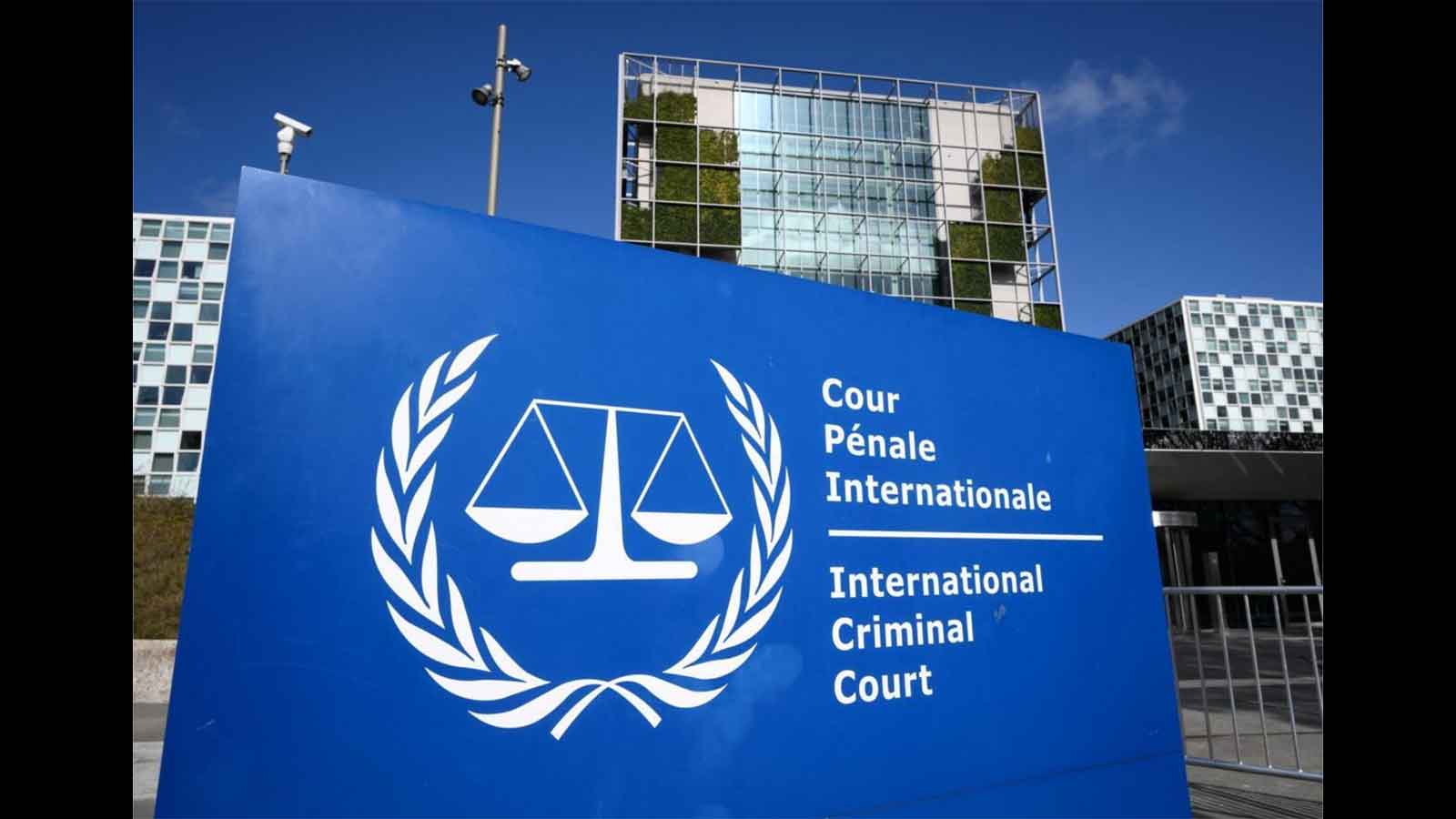
Constantin von Hoffmeister
The clash over sanctions on judges reveals a fading order in which neither moral monopoly nor financial coercion can claim legitimacy
Washington’s clash with the International Criminal Court exposes the contradictions between supranational legal claims, American exceptionalism, and the rise of multipolar sovereignty.
The latest clash between Washington and the International Criminal Court (ICC) says more about the structure of the present world order than about Tomoko Akane or Abdoulaye Seye.
On August 18, 2026, the United States imposed sanctions on Akane, the Japanese president of the ICC, and Seye, a Senegalese senior trial lawyer in the Office of the Prosecutor.
The measures freeze assets subject to American jurisdiction and restrict access to the American financial system. The ICC answered by calling the sanctions a “flagrant attack” on the independence of the court.
Nine of its 18 judges, both deputy prosecutors, a former prosecutor, and another staff member now face American sanctions. Washington says the court has exceeded its mandate by pursuing officials from states that never accepted its authority, above all the US and Israel.
This dispute raises the oldest political question in a new form: who has the right to judge whom? The liberal international order promised an answer based on universal law. The American response supplies another answer based on sovereign power. A multipolar view has reason to distrust both claims when either seeks authority over civilizations and states that never freely granted it.
The American position contains a genuine question of sovereignty, even when Washington applies that principle selectively. The US never became a party to the Rome Statute. Israel also remains outside the court.
From the American perspective, an international tribunal created by a treaty cannot simply acquire authority over American soldiers, officials, or allied leaders without American consent. The ICC answers that its jurisdiction can arise through the territory on which alleged crimes occurred, including territory belonging to states that accepted the Rome Statute.
This is the legal basis behind some proceedings involving nationals of countries outside the court. Lawyers can argue over jurisdiction, territorial consent, complementarity, admissibility, and treaty interpretation, but that us beside the point of the political issue in question here.
A multipolar order begins from the existence of several sovereign centres of power, each possessing its own history, institutions, political traditions, and conception of justice.
Any institution claiming authority above these centres carries an immense burden of legitimacy. A tribunal with universal ambitions must either possess genuine universal consent or depend upon political power to enforce its judgments. The ICC possesses neither a world state behind it nor universal membership.
The US, China, Russia, India, Israel, and several other important powers stand outside its system. Such a court can aspire to universality, yet aspiration alone cannot create a universal political community.
Yet Washington weakens its own argument whenever it converts sovereignty into a privilege reserved for itself and its allies. Sovereign equality means that American sovereignty deserves respect because every sovereign state deserves respect.
American exceptionalism follows another principle: Washington claims freedoms that it frequently refuses to extend to others. The US objects when an institution beyond its control threatens American officials, while successive American governments have used sanctions, financial restrictions, diplomatic pressure, military power, and extraterritorial legislation to pressure individuals and companies far beyond American territory into complying with American policy.
Washington rejects the ICC because the court supposedly projects authority beyond the consent of sovereign states; Washington then answers that alleged violation by using the global reach of the dollar and the American financial system against foreign judges and prosecutors. Sovereignty becomes both the defence and the weapon.
An international institution may pursue justice until its work touches the protected sphere of American power. At that point, financial coercion begins. For advocates of multipolarity, this episode illustrates why the concentration of global finance, sanctions power, communications infrastructure, and legal influence inside one geopolitical centre creates political dependence even for institutions that describe themselves as independent.
The ICC itself deserves scrutiny from the same multipolar standpoint. The answer to American domination cannot consist of transferring ultimate authority from Washington to The Hague.
The court arose during the high tide of the post-Cold War order, when Western political ideas increasingly appeared under universal names. Liberal democracy became “democracy.” Western doctrines of rights became “human rights.” Western political assumptions became “international norms.” – rt.com.