Online Reporter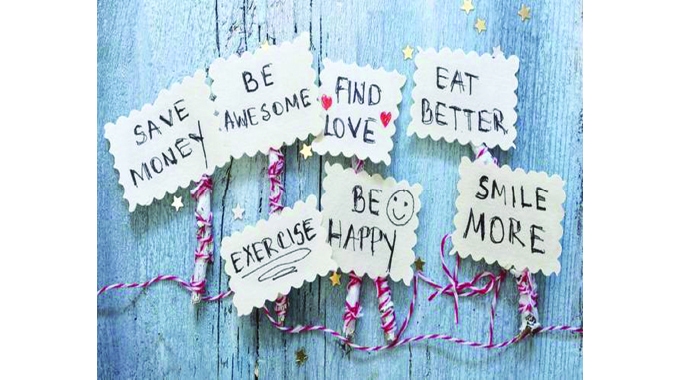
Langalihle Mhiti
Youth Interactive Writer
AS the festive lights dimmed and the calendar turned, college and Form Six students across Zimbabwe stepped into the New Year with fresh perspectives.
Beyond the celebrations, many young people say the start of the year offers a chance to pause, reflect and set clear intentions shaped by academic pressure, economic realities and personal growth rather than instant transformation.
For college students balancing lectures, side hustles and rising living costs, goal-setting has become more practical and grounded. University of Zimbabwe student Tinashe Moyo said the beginning of the year is no longer about drastic change.
“It’s not about changing my whole life in January,” he said. “It’s about improving one habit at a time, like managing my time better and looking after my mental health.”
Other tertiary students share similar views, noting that maturity has changed how they approach personal targets. Media studies student Chipo Dube said she is focusing on consistency. “I want to attend classes regularly, practise my skills outside school and save even small amounts of money,” she said. “That makes more sense than big promises I won’t keep.”
Social media has also shaped how students define their goals. While online trends often promote dramatic makeovers, many young people say they now prefer personalised plans. Film student Kudakwashe Ncube warned against comparison. “We see ‘New Year, new me’ everywhere,” he said. “But real growth takes time. I’m focusing on creating content every week, even if it’s not perfect.”
For Form Six students, the new year marks a critical transition. With final examinations, university applications and career choices approaching, the period is viewed as a turning point. Harare-based student Rumbidzai Charehwa said this year carries extra weight.
“This is our last year in high school, so I’m reducing distractions and focusing on my studies,” she said. “I want good results and a clear direction after school.”
Personal development also features strongly among Form Six learners. Tafadzwa Muchengeti said discipline has become more important than motivation. “Motivation comes and goes,” he said.
“What matters is consistency waking up early, revising daily and believing in myself.”
Across both college and high school levels, students say they have learned that personal goals are not tied strictly to January 1. Many now see them as ongoing commitments that can be adjusted along the way. College student Sharon Maphosa said flexibility is key. “It’s a promise you make to yourself,” she said. “If you fall behind in February, you can still pick yourself up in March.”
Creative methods are helping students stay on track. Vision boards, journals, playlists and digital planners have grown popular, while some turn their goals into challenges. These include reading one book a month, learning an instrument or starting a podcast. Students say such approaches make progress feel achievable and enjoyable.
Despite the optimism, challenges remain. Academic pressure, peer influence and financial constraints often interfere with plans. However, many students say understanding their limits has reduced frustration.
Form Six student Nyasha Sibanda said setting smaller targets has made a difference. “I stopped aiming too high,” she said. “Now I focus on what I can realistically do.”
As the year unfolds, college and Form Six students remain hopeful but grounded. Their evolving understanding of new beginnings reflects a generation choosing progress over pressure and intention over impulse. For many, the new year is not about becoming someone else, but about becoming better, one deliberate step at a time.
Education experts say this shift in mindset is healthy. Memory Zulu said achievable goal-setting helps reduce anxiety and improve follow-through.
“When young people define success in small, meaningful steps, they build confidence,” she said. “It gives them direction, responsibility and self-awareness, qualities that prepare them for life beyond the classroom.”