Online Reporter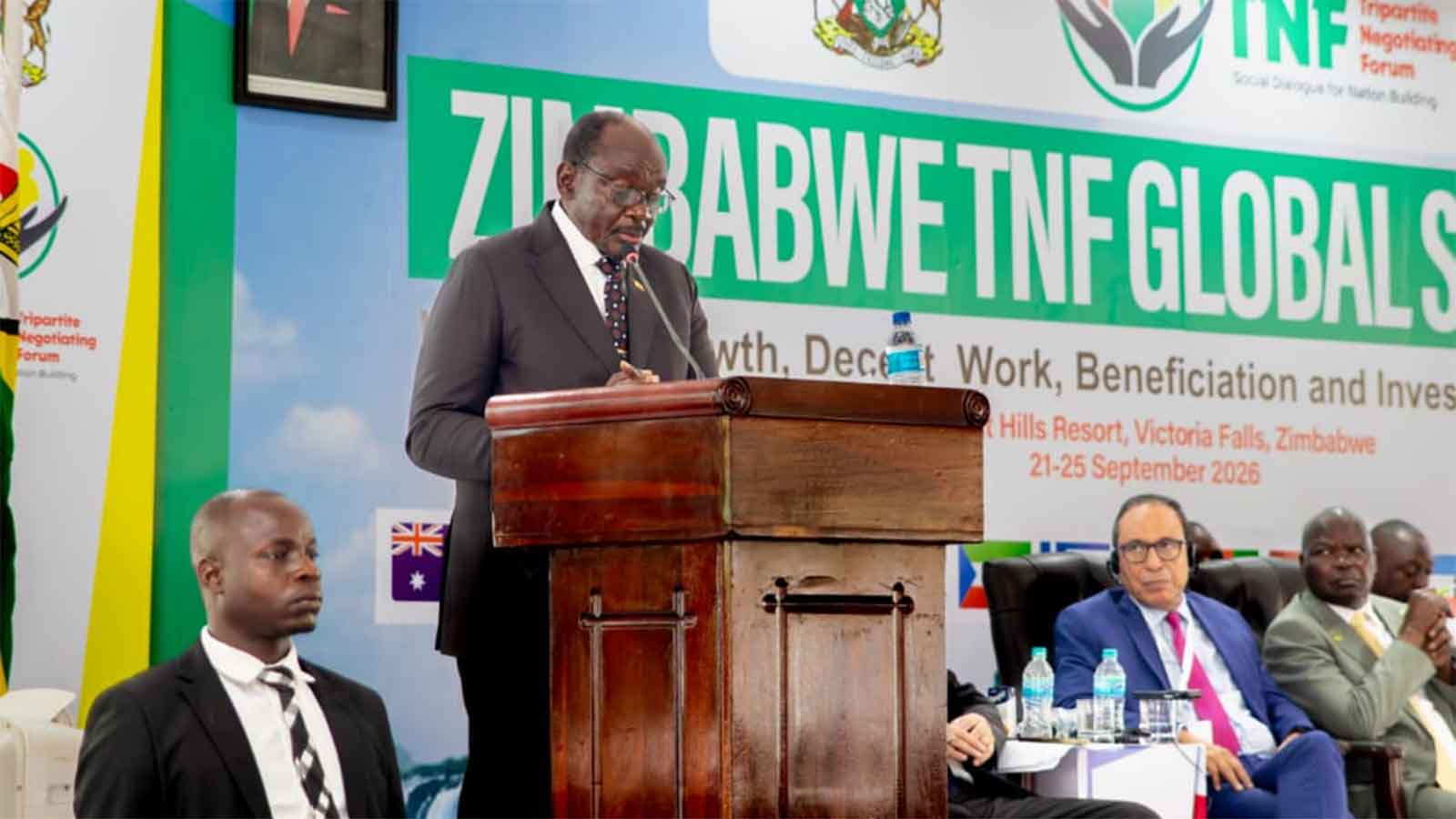
Theseus Mauruki Shambare in VICTORIA FALLS
ZIMBABWE must position itself to tap into opportunities arising from regional value chains under the African Continental Free Trade Area (AfCFTA), with investment and natural resources translated into industrial production, decent jobs and improved livelihoods, Acting President Kembo Mohadi has said.
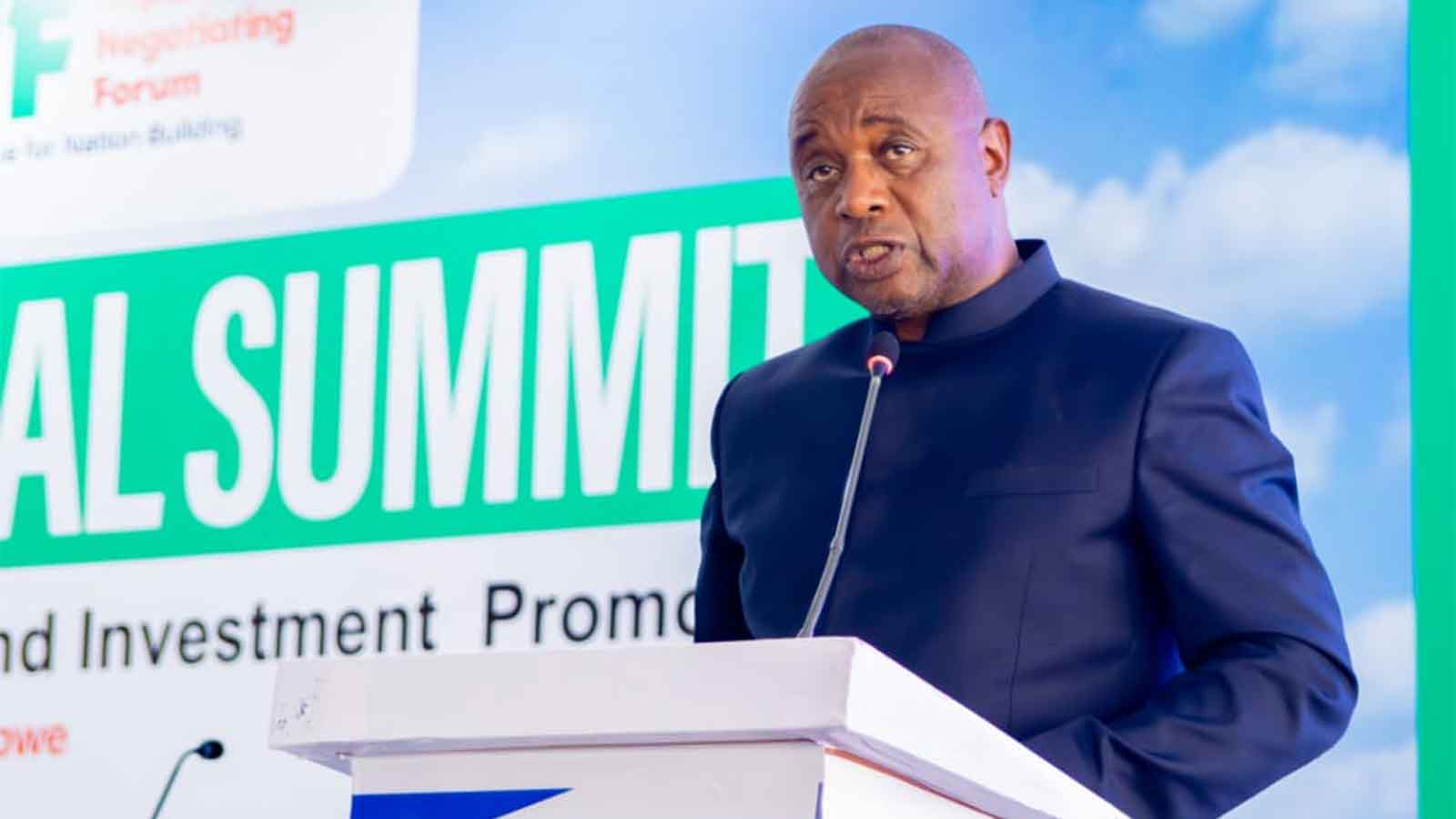
Addressing the inaugural Tripartite Negotiating Forum (TNF) Global Summit in Victoria Falls yesterday, the Acting President said Zimbabwe could not pursue economic transformation in isolation and should deepen its participation in SADC, COMESA and the wider African market.
“Zimbabwe cannot prosper in isolation. Our economic future is closely linked to Africa’s. The African Continental Free Trade Area offers a significant opportunity to strengthen regional integration, expand markets, promote cross-border investment and increase intra-African trade,” he said.
“In this context, Zimbabwe must position itself to fully capitalise on the opportunities presented by regional value chains.”
He said participation in regional markets should increasingly be driven by the production of competitive goods and services, value addition and increased investment.
“Our participation in SADC, COMESA and the wider African market must increasingly be driven by the production of competitive goods and services, greater value addition and increased investment. Our objective must be to ensure that Africa’s resources contribute to African industry, value chains and employment creation,” he said.
The push for value addition, he added, should be accompanied by investment that drives industrial development and creates productive employment.
“Our objective must be to create an economy in which investment contributes to industrial development, which further generates productive employment, and productive employment improves our people’s lives,” he said.
He also said Zimbabwe’s natural resources provided a foundation for economic transformation, but the country needed to move beyond extraction towards beneficiation and productive industries.
He urged the business community to invest in productive sectors, support value addition and beneficiation and contribute to the creation of decent, sustainable employment.
“To our business community, I encourage you to take advantage of the opportunities available in Zimbabwe. Invest in productive sectors, support value addition and beneficiation, and help create decent, sustainable employment,” he said.
Acting President Mohadi said economic transformation must ultimately improve workers’ livelihoods, with decent work remaining central to the development agenda.
“Economic growth must ultimately translate into improved livelihoods and greater opportunities for our people,” he said.
He said employment should provide fair remuneration, safe and healthy working conditions, social protection and respect for workers’ rights, while Government continued strengthening pathways to formalisation, productivity and decent work.
The Acting President also linked economic transformation to the changing nature of work, saying digitalisation, financial technology and new forms of employment were creating opportunities and challenges.
The summit, held under the theme “Inclusive Growth, Decent Work, Beneficiation and Investment Promotion”, brings together Government, business, labour, civil society, development partners and other stakeholders.