Online Reporter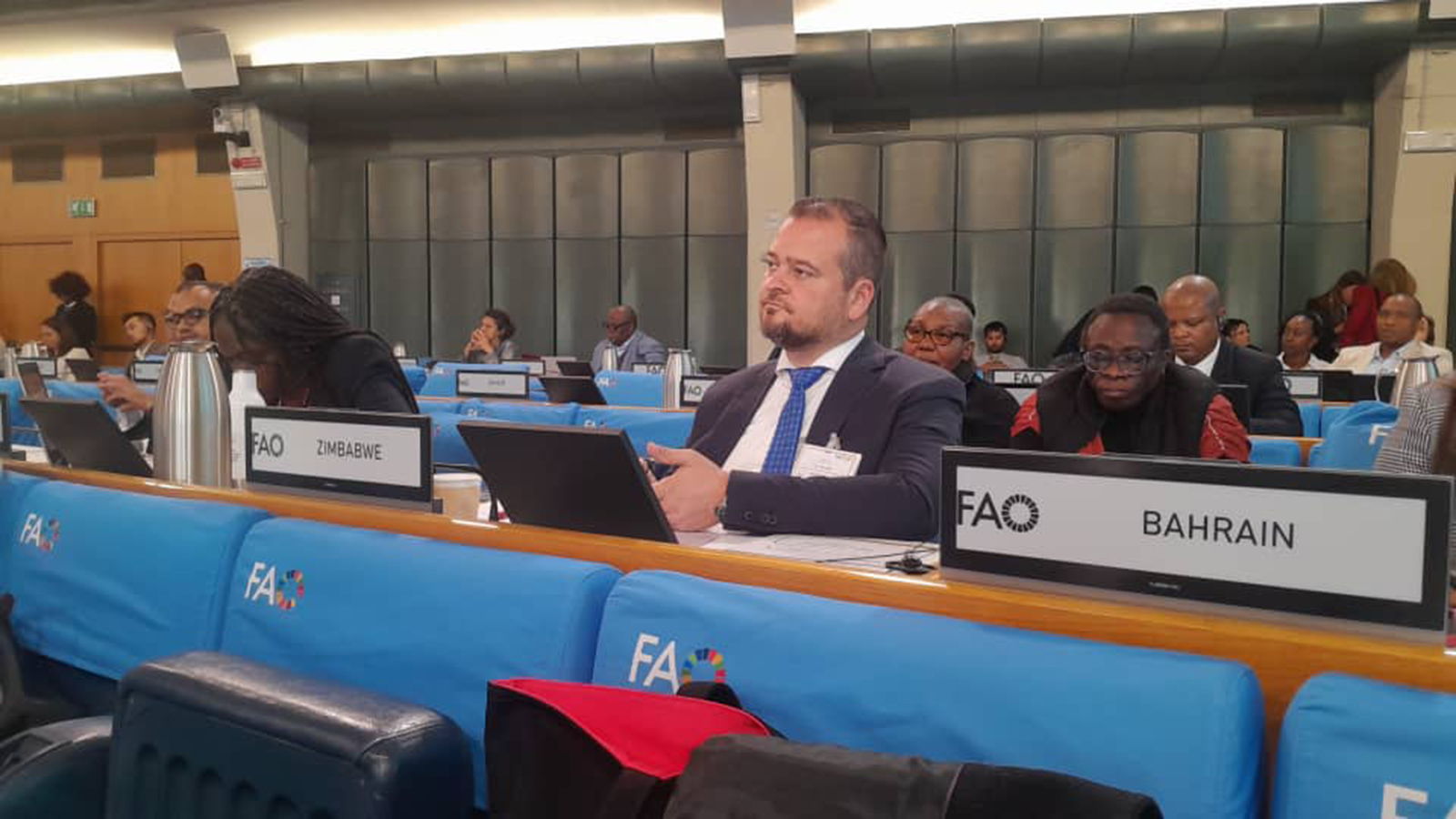
Theseus Shambare in ROME, Italy
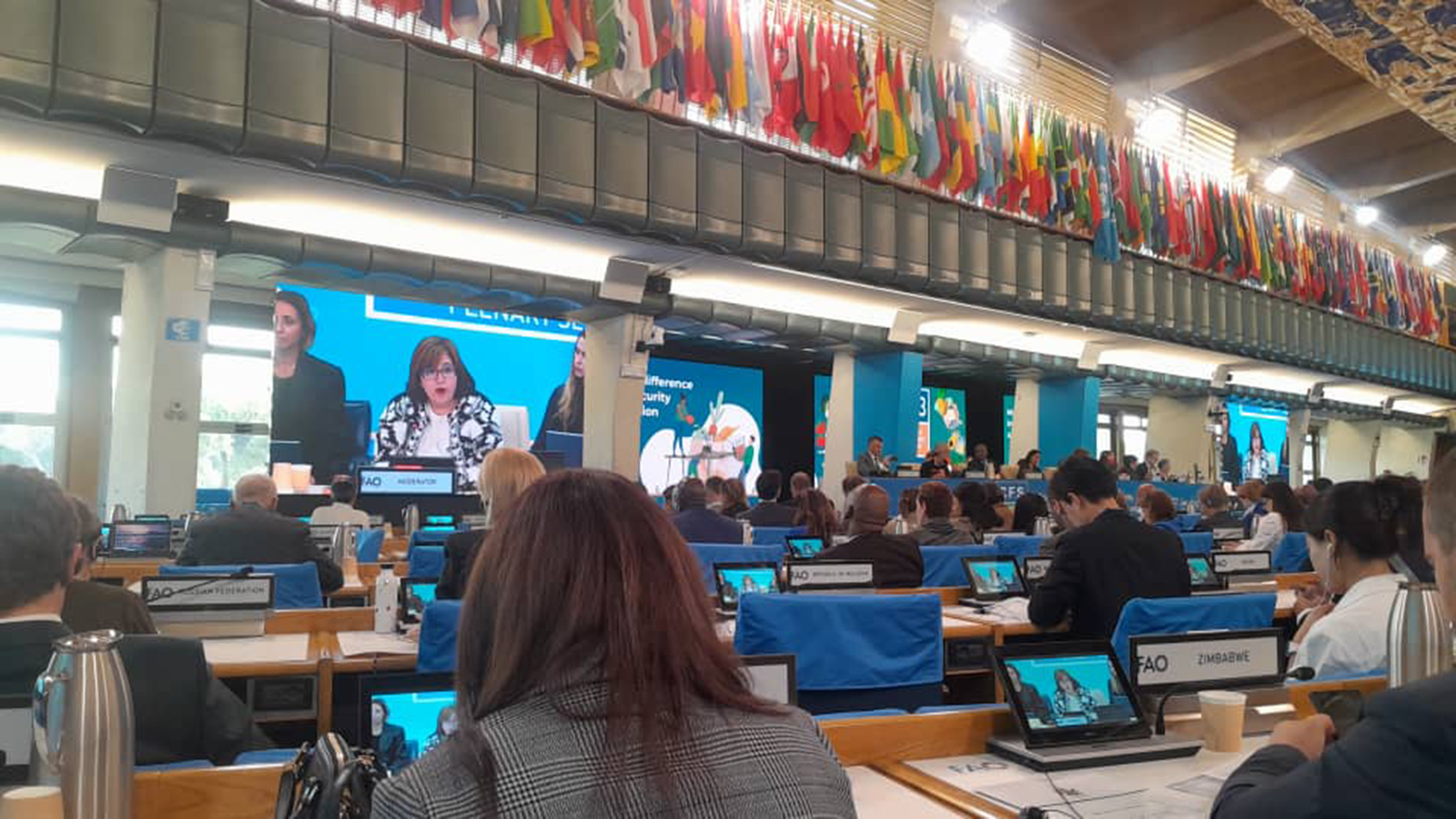
HUNDREDS of government officials, agricultural experts and development partners have gathered in Rome, Italy, for the 53rd Session of the Committee on World Food Security (CFS 53), where Zimbabwe is set to present its integrated food and water strategy.
Running from October 20 to 24, the high-level forum seeks to strengthen global collaboration on food and water security through discussions on climate resilience, urban food systems, responsible land use and sustainable investments.
Lands, Agriculture, Fisheries, Water and Rural Development Deputy Minister Vangelis Haritatos, who is representing Zimbabwe, said the event comes at a crucial time as countries look for practical ways to align food production, water security and climate adaptation.
“Water is both an economic enabler and a fundamental constitutional right in Zimbabwe,” he said.
“We must leverage public-private partnerships, unlock new mechanisms for irrigation development and de-risk agriculture through climate-proof water systems.”
The CFS 53 proceedings will open with the presentation of the 2025 State of Food Security and Nutrition in the World (SOFI) Report, followed by a High-Level Forum on Responsible Investment and Financing for Food Security and Nutrition.
Zimbabwe’s participation will highlight national efforts to integrate land, water and agriculture policies in building resilient food systems.
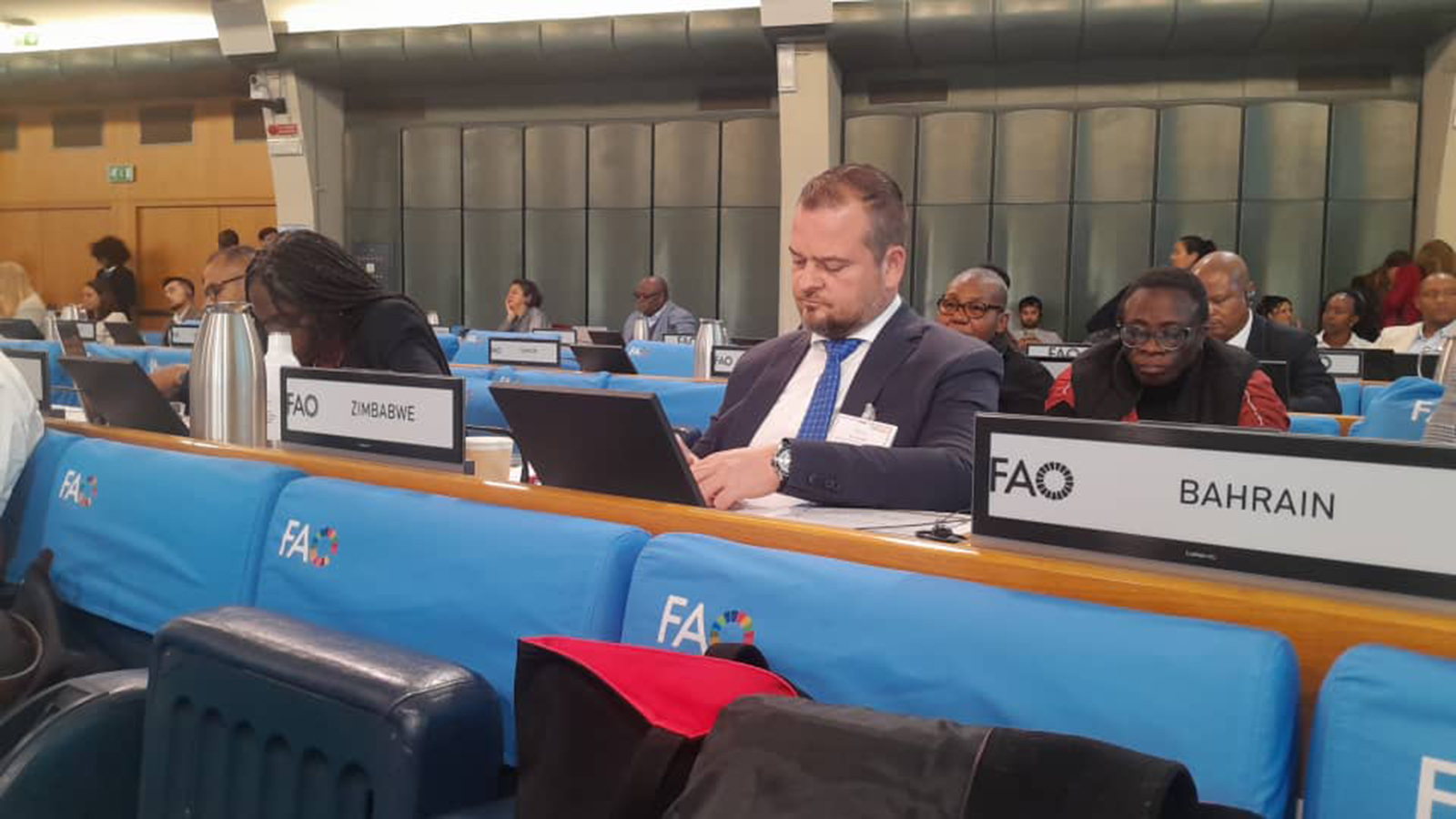
Deputy Minister Haritatos is expected to showcase the country’s progress in expanding irrigation, modernising agricultural infrastructure and empowering smallholder farmers.
“The time to act is now. You cannot have maize as a staple and still import maize seed. Every country must build seed security around its strategic crops,” he emphasised.
“A lot of countries discount small-scale farmers because they are so small that individually they cannot effect much change. But we organised them into clusters and convinced them that it was possible.”
For Zimbabwe, participation at CFS 53 offers an opportunity to attract partnerships and investment in sustainable agriculture while showcasing the nation’s advances in climate-smart water governance.
The presence of the Zimbabwean delegation signals Government’s high-level commitment to moving from policy formulation to tangible implementation in the pursuit of lasting food and water security.