admin
admin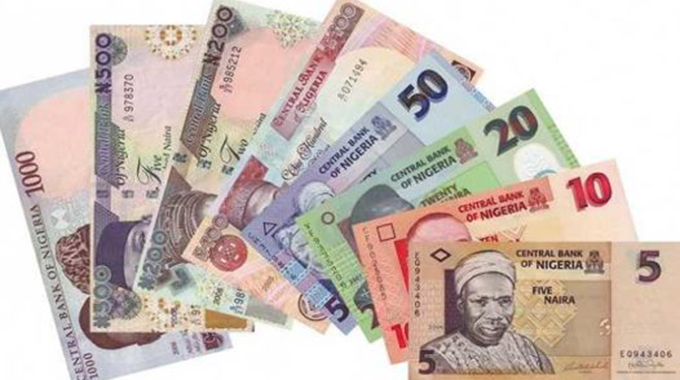
LAGOS. – Nigeria’s push to replace its paper money with newly designed currency notes has created a shortage of cash, leaving people unable to buy what they need and forcing businesses to close across the West African nation, experts and business groups said.
The Central Bank of Nigeria says the redesigned denominations of 200 (43 US cents), 500 (US$1,08) and 1 000 naira (US$2,17) notes and new limits on large cash withdrawals would help curb money laundering and make digital payments the norm in Africa’s biggest economy.
But the process to replace the old currency notes is “rushed,” and commercial banks don’t have enough new cash to give to customers, pushing demand higher than supply, said Ayokunle Olubunmi with Nigeria’s main ratings agency, Agusto and Co.
The central bank “doesn’t want us to be spending cash; they want us to be doing transactions electronically, but you can’t legislate a change in behavior,” Olubunmi said. “You have to make people see reasons and ensure those channels are reliable.”
The government is pushing for a cashless economy that is more inclusive and says the changes will drive economic growth. Critics are sceptical, pointing to decades of chronic corruption in which government officials are known to loot public funds and create more hardship for the many struggling with poverty.
As of October, more than 80 percent of the 3.2 trillion naira (US$7,2 billion) in circulation in Nigeria was in private hands, but 75 percent of that has now been deposited with financial institutions, the central bank governor, Godwin Emefiele, said over the weekend.
He extended the deadline for Nigerians to deposit their old banknotes by 10 days, to February 10.
Even as more Nigerians deposit old currency in banks, some financial institutions were still issuing the outdated notes to customers as of Monday. Bank customers told they were allowed to withdraw very little cash and face high bank charges for each transaction.
Digital payments run by banks are often unreliable in Nigeria, leaving businesses struggling as growing numbers of customers have been unable to find the cash to pay for goods and services. The situation has created a parallel market for people to illegally sell the new banknotes. – AP



 Online Reporter