admin
admin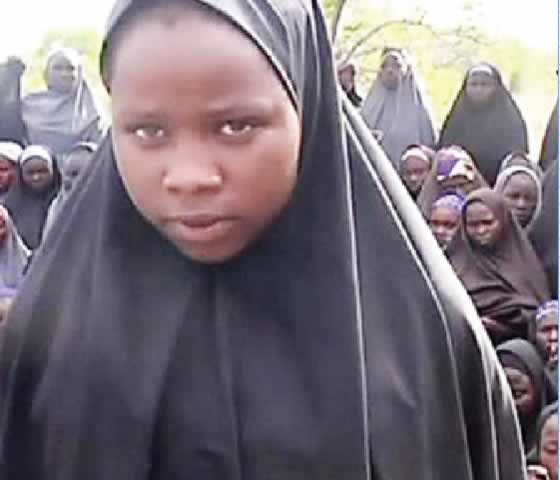

Cape Town — Somalia’s al-Qaeda-linked militant group al-Shabaab has reportedly praised Nigeria’s Boko Haram Islamist group for its fight against those who “targeted” Islam.
This comes amid international outcry over the abduction of more than 200 Nigerian schoolgirls by Boko Haram militants from their school last month.
According to an eNCA report, a spokesperson claimed during an interview with an al-Shabaab controlled radio station that the kidnapped schoolgirls in Nigeria had willingly left their school to join Boko Haram and to convert to Islam.
Al-Shabaab dismissed the kidnapping claims as western propaganda.
The group maintained the girls were not abducted by Boko Haram insurgents.
The report said it is believed that Boko Haram militants have trained in Somalia and ties between the two militant groups remain strong.
Meanwhile a report by The Telegraph says a former Nigerian government mediator has lamented the fact that the integrity of Nigeria’s government was at stake as the schoolgirls remained missing.
Shehu Sani was quoted as saying Nigeria’s moral standing as a nation was under scrutiny.
Boko Haram’s latest video purported to show at least 130 girls, in an undisclosed rural location, wearing Muslim dress and praying, and said they had all converted to Islam.
A special viewing of the footage was organised for the missing girls’ parents.
All the girls in the video were identified to be students of the Government Girls Secondary School, Chibok, according to an AFP report.
In Washington, French Foreign Minister Laurent Fabius on Tuesday denounced what he called the “mass rape” of Nigerian kidnapped schoolgirls.
“Sometimes in France we talk about ‘forced’ marriage,” the French diplomat told a press conference during a visit to Washington.
“But that term is totally inadequate. It’s really a mass rape of young girls,” he said, when asked about more than 200 schoolgirls.
These girls “have been the kidnapped and then enslaved, and it’s a mass rape that must be prosecuted and punished as such”.
France is hosting a summit on Saturday focusing on the threat posed by Boko Haram and has invited leaders from at least five African countries, including Nigeria, Chad, Cameroon, Niger and Benin.
British and American delegations have also been asked to take part, but Washington has not yet decided who will lead the US team.
In Nigeria, the government has said it is ready to hold talks with Boko Haram to secure the release of girls abducted.
Special Duties Minister Taminu Turaki said “The window of negotiation is still open.”
Turaki, who last year headed a committee pursuing an amnesty pact with some Boko Haram fighters, said “Nigeria has always been willing to dialogue with the insurgents.”
“We are willing to carry that dialogue on any issue, including the girls kidnapped in Chibok, because certainly we are not going to say that the abduction is not an issue,” he said.
The minister’s statement came a day after the Boko Haram released a video in which its leader Abubakar Shekau said the girls abducted last month from a secondary school would be released once Nigeria freed all the Boko Haram prisoners it had in custody.
But that proposal was rejected by the Nigerian government. The United States has also opposed any swap with the US State Department spokeswoman Jen Psaki saying the US’ policy was “to deny kidnappers the benefits of their criminal acts, including ransoms or concessions”.
The commander of US forces in Africa has flown to Nigeria to discuss how Washington can help the hunt for the kidnapped girls.
General David Rodriguez, head of US Africa Command, arrived in the country, as the US confirmed it was flying manned surveillance aircraft over the country in a bid to locate the girls.
Rodriguez’s arrival is part of forging an agreement that will enable the US to share intelligence with Nigeria from spy planes and other sources, officials said on Tuesday.
“At this point, we are not sharing the raw intelligence data,” Pentagon spokesman Colonel Steven Warren said. — AFP



 Online Reporter