admin
admin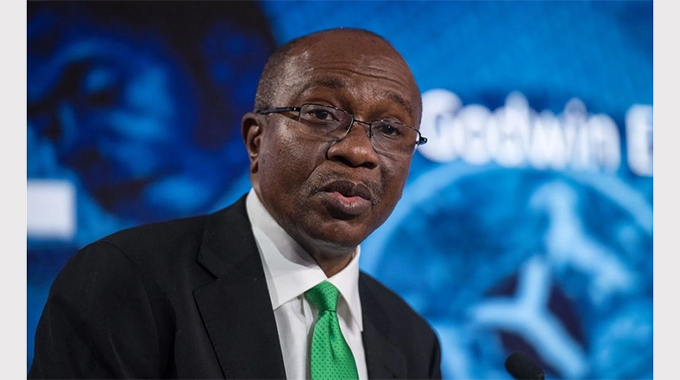
Nigeria’s central bank will replace high-value currency notes starting December 15 in a bid to mop up excess cash, rein in inflation and target rising insecurity in Africa’s largest economy.
The country’s banking regulator plans to issue redesigned 200, 500 and 1,000 naira notes, Central Bank Governor Godwin Emefiele said at a briefing in Abuja, the capital, on Wednesday. The old notes will cease to be legal tender starting Jan. 31, giving citizens of the West African country, where cash dominate transactions, six weeks to exchange their notes.
Emefiele said 85 percent of cash in the country is held outside commercial banks, which is undermining the efficacy of monetary policy and the integrity of the country’s currency. He said the amount of cash in circulation has more than doubled since 2015 to 3,23 trillion naira (US$7,3 billion) as of September.
“It is unacceptable and indeed it takes the control of the money supply out of the hands of the central bank,” Emefiele said. “No doubt we believe it has a positive impact on inflation,” which hit a 17-year high in September, he said.
The move to switch the notes may lead to chaos in a country where the majority of the population live in rural areas away from bank branches. In 2016, Indian Prime Minister Narendra Modi’s move to ban high-value currency led to a prolonged scramble for cash and slowed economic growth. Emefiele also argued that reducing the amount of cash in circulation would minimize “access to the large volume of money outside the banking system used as source of funds for ransom payments.”
Africa’s most populous country has been faced with a widespread abduction-for-ransom crisis. – Bloomberg



 Online Reporter