admin
admin
Mashudu Netsianda in Nkayi
WHILE the recent drop in prices of basic goods and services has restored purchasing power in line with the continued positive exchange rate developments, the generality of consumers in Nkayi are still feeling the pinch of exorbitant pricing.
The Zimbabwean dollar continues to regain its value, which reflects the positive impact of the Government’s macro-economic stabilisation policy measures. However, businesses in Nkayi and other rural communities continue to rip off consumers.
The arbitrary escalation of prices in the past had put most basic commodities beyond the reach of many, especially for those using the local currency. Surprisingly, while the black-market rate has actually gone down to 1: $6 000 and below in some instances, shops at Nkayi Business Centre are still using obscene exchange rates resulting in large price disparities, even for products produced using local currency.
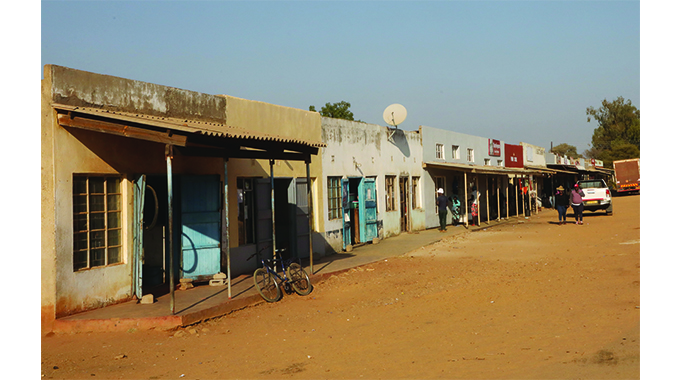
The interbank rate had drifted to about US$1: $4 500, but shops in Nkayi are using ridiculous rates. The Zimbabwe dollar has been regaining value at the formal wholesale foreign currency auction system with a similar positive outcome on the parallel market, which has also been forced to review its rates downwards, thereby closing the premium difference while ensuring market stability.
The Chronicle news crew visited selected local shops and established that there has been a significant increase in the prices of basics such as mealie-meal, sugar, bread and cooking oil among others.
While prices in the US dollar have relatively remained stable, prices of goods pegged in local currency have increased, with many retailers using the parallel market rate of between 1: $10 000 and 1: $15 000 to determine prices.
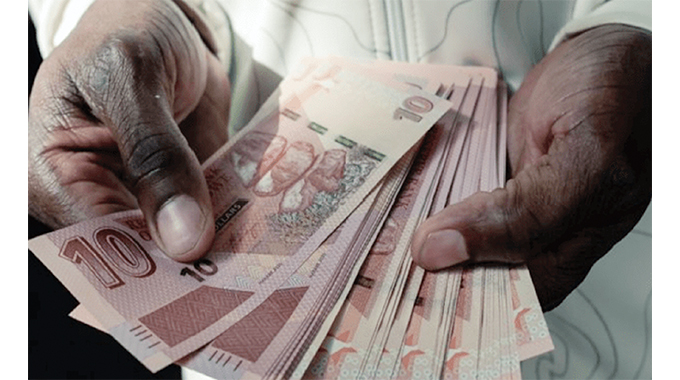
For instance, a loaf of bread is going for $10 000, 2-litre bottle of cooking oil costs between $45 000 and $50 000 while a 2kg packet of sugar goes for $30 000. The price for a 10kg bag of mealie ranges from $$50 000 to $75 000. In separate interviews, consumers said they are now opting to transact in foreign currency.
“It would appear these shops are not interested in local currency given the exchange rates that they are using to peg their prices. Government should intervene because we are at the mercy of these unscrupulous businesses,” said Mr Manuel Moyo, a local resident.
Ms Monica Ndlovu concurred with Mr Moyo. “What actually boggles the mind is that the interbank rate has gone down including on the parallel market where they are now trading at 1: $7 000, but retailers are still using those speculative rates of 1: $10 000 and by so doing they are ripping us off,” she said.
Local businessman Mr Arthur Moyo, who is also the treasurer of the Nkayi Business Association said they were engaging businesses over the issue.
“When you look at the trend of prices, particularly in the last two months, the local currency has been losing value such that most businesses in Nkayi were refusing to accept RTGS transactions because of the spiraling rate,” he said.
“However, suddenly, we are noticing a downward trend with the local currency now gaining value. We realised that inter-bank rate is now at 1: $4 500 and in the parallel market it also went down from around 1: $11 000 to 1: $6 500.”
Mr Moyo said since the RTGS is not circulating, most people are now transacting in foreign currency.
“Since prices are pegged in foreign currency it is difficult to tell whether prices have gone down or not in local currency. However, we are engaging our members following an outcry from consumers. The stability in prices is clearer in foreign currency,” he said.
Nkayi South legislator Cde Stars Mathe attributed the pricing madness to the poor roads linking Nkayi and major towns and cities, which are being shunned by manufacturers.
“Unlike in towns and cities, in Nkayi, the prices in local currency are slightly higher and when I engaged businesses, their argument was that they were incurring huge transport costs since most manufacturers are refusing to travel to Nkayi citing bad roads,” she said.
“I am grateful President Mnangagwa mentioned the issue of the Bulawayo-Nkayi Road during the Zanu PF star rally on Sunday and we are optimistic that once that problem of accessibility is addressed, companies from Bulawayo and Kwekwe will start delivering directly to the shops in Nkayi.”
Cde Mathe said a number of suppliers have been approached by local businesses to deliver their products without success. In Bulawayo, most supermarkets and businesses are now using the official bank rate with an accepted margin of 10 percent of the interbank rate, and they have also reduced prices of basic commodities in local currency.
For instance, in some retail shops bread, which was selling for between $7 500 and $9 000 is now being sold for prices ranging from $5 000 to $6 000.
A 2kg bag of sugar is now selling for between $18 000 and $22 000 after it went down from between $25 000 and $30 000.


 Online Reporter