


 Online Reporter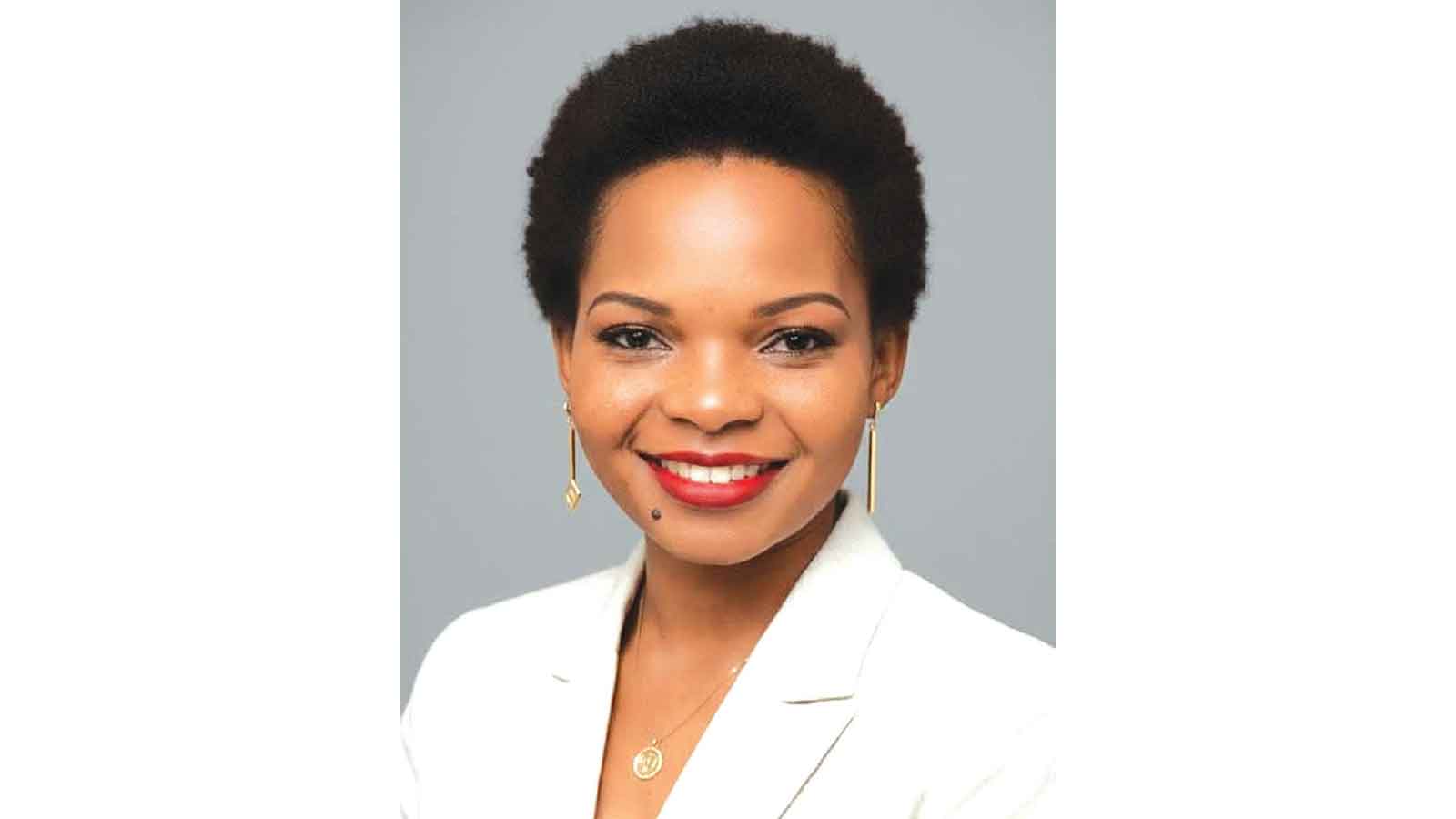
Zimpapers Sports Hub
FOR years, Maculwamahle Nkomo worked in places most people don’t follow.
Long trips across Matabeleland South. Small shows. Little noise. Just trying to keep boxing alive and give girls a chance.
Now the recognition has caught up with her.
A few weeks ago, Nkomo was named among 20 women honoured at the African Women in Sports Initiative (AWISI) Women of Impact in Sports Awards, a moment that reflects years of quiet work rather than one big breakthrough.
For her, it landed as both validation and a push to keep going.
“This recognition is a ‘thank you’ for the miles travelled and an encouragement to keep making efforts,” she said.
“For a long time, I worked in the quiet corners of rural provinces; this award is proof that when you serve with heart, the world notices.
“At a continental level, it provides a wonderful platform for collaboration. This award is proof that persistence matters.
“I have faced discouragement and had fear I would burn out for nothing, and endured the anguish of knocking on doors that remained firmly shut, but eventually, those doors opened.”
Nkomo’s path into sport was never straightforward. She grew up between rural Lupane and urban life, watching how quickly opportunities slipped away for girls around her.
“I love sport and grew up in between rural Lupane in Matabeleland North and urban,” she said. And I saw challenges girls faced in navigating life and missing opportunities because of community.
“Some because of early marriages and dying young due to HIV and victims of GBV (gender-based violence).
“My mission is to ensure the athletes I serve can achieve their absolute best in an environment that empowers them, keeps them safe and ensures that every drop of sweat is recognised.”
Her relationship with sport started on the field. She played rugby at the University of Venda in South Africa, but the shift into administration came from a need to build something different.
“It started with a personal need for empowerment,” she said. “Growing up, I remember looking for karate coaches just for self-defence classes because all round, boys or girls bullying is there and combat sport is basically an empowerment tool to build confidence and discipline.
“As a sports administrator, I found myself managing it and that’s where my journey started. I saw how sport could serve as a vital lifeline for girls navigating challenges like early marriage and GBV.”
Her early years were spent as a provincial manager for the Zimbabwe National Boxing and Wrestling Control Board in Matabeleland South, where the job meant doing everything.
“My role was making sure boxing happens, everyone knows about it, right up to the highest office in the province, to ensure our athletes got the support they needed,” said Nkomo.
“When I stepped into the role for a rural province, I questioned whether I could truly create an impact, but I learnt that even our small car, travelling the province on a low fuel gauge, played its part in the vision.”
That work has since taken her into marketing and public relations at national level, but her focus has not shifted.
Having worked closely with girls in overlooked areas, she believes the country is sitting on untapped potential.
“From my experience in working with girls in untapped territories, potential is there,” she said.
“If developed, we can get international champions. We are seeing this already with the rise of stars like Monica Mkandla, who is the current number one, and Gweneth Nare.
“Their success proves that the talent in our provinces is world-class; they just need the platform.
“But grassroots programmes and talent identification should be spread to others as well. We must ensure they can sit at the table where important decisions are made.
“Financial support is key, we need more women coming, especially as promoters and managers too.”
Her vision is simple. More girls in the system. More women in positions of influence. Structures that don’t shut people out before they even begin.
As she marks the AWISI accolade, Nkomo brings it back to the people who carried her through the quiet years.
She credits her children, her family and the athletes she worked with in Matabeleland South for understanding the sacrifices that came with the journey.
The award carries her name, but the work has never been hers alone.



