Online Reporter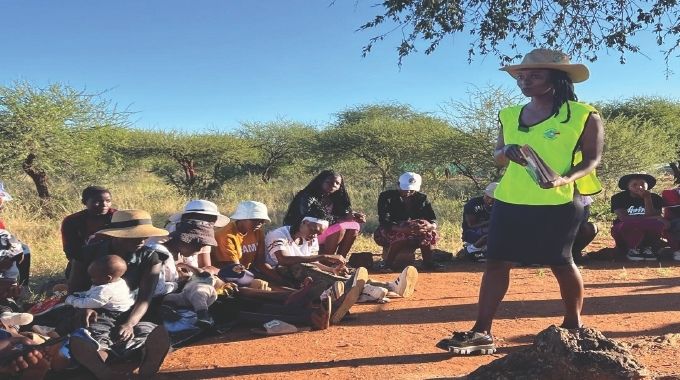
Sukulwenkosi Dube-Matutu, [email protected]
A LONG-STANDING silence around child marriage, teenage pregnancy and sexual abuse is finally being broken in the remote villages of Beitbridge East. For years, these cases were hidden behind fear, shame and entrenched cultural practices. Now, communities are speaking out and taking action.
At the heart of this change is the “Not In My Village (NIMV) campaign,” which is mobilising traditional leaders, parents, health workers and volunteers to protect children and reclaim their futures.
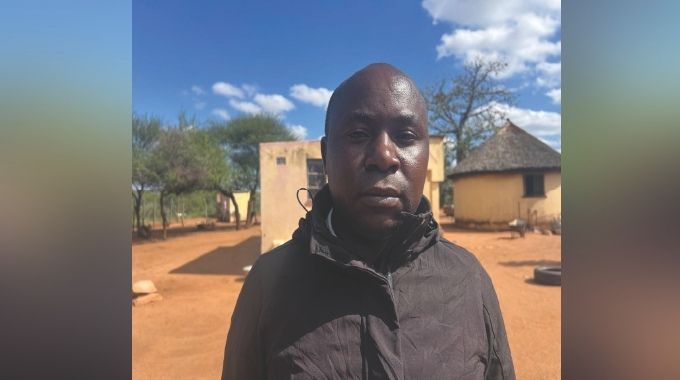
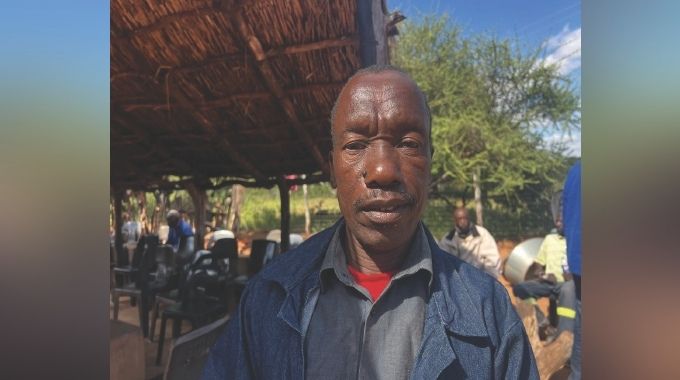
Leading the charge is Chief Matibe, who has declared zero tolerance for child marriage and abuse in his area.
“Community members now know that aiding or concealing a teenage pregnancy or child marriage case is a huge offence,” Chief Matibe said during a recent media tour organised by the National Aids Council (NAC).
Under his leadership, village heads, headmen and community workers are no longer turning a blind eye. They are moving from homestead to homestead, identifying vulnerable children, investigating suspected abuse and ensuring that perpetrators are reported.
The campaign goes beyond awareness. It is about accountability.
“We were called as chiefs to attend the ‘Not in village campaign’ which seeks to end child marriages and teenage pregnancies. We didn’t stop there as we were assigned to cascade this campaign within our communities.
“I then engaged my village heads and headmen and told them that we won’t allow cases of teenage pregnancy and child marriage in our area.
“Anyone who is involved in facilitating these matters will be arrested. Be it the parents or guardians involved, the one marrying the child or mediator,” said Chief Matibe.
This firm stance is beginning to shift attitudes. Cases that were once hidden are now being reported, and survivors are starting to come forward. Efforts are also focusing on one of the key drivers of child marriage — children dropping out of school.
“Having children drop out of school is putting them at risk of falling pregnant at a tender age. So, under the campaign we are making efforts to take back into school as many children as possible. To that effect, we are engaging parents to send their children to school and we are trying to find means of paying fees for those who are underprivileged,” he said.
Child protection committees are supporting this work at grassroots level. In Ward 3, committee chairperson Mr Nicholas Ndou said they are tracking children who have left school and working closely with local leaders to bring them back.
“We want parents to make use of various programmes and interventions that support education of children such as the Basic Education Assistance Module (BEAM) programme. We also want parents to prioritise educating their children as some are just neglecting their responsibility of paying school fees,” said Mr Ndou.
For some traditional leaders, the campaign has exposed how lightly these issues were once treated. Senior village head Mr Hapson Shoko from Madaulo said child marriage and teenage pregnancy used to be handled casually.
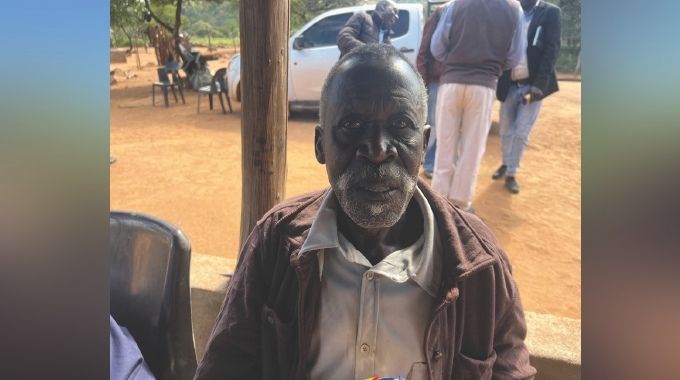
Today, that has changed.
“We charge from one to three beasts for this offence. When it comes to sexual abuse of children there is no negotiating. The perpetrator is taken straight to the police,” he declared.
Communities are also becoming more open. Mr Onious Nguluvhe, a senior village head in Chaswingo, said both adults and children are now speaking out about abuse, with community meetings providing a safe space to raise concerns.
Despite this progress, the scale of the problem remains alarming. Beitbridge District AIDS Coordinator Mr Mulaudzi said cases of abuse, especially against girls, are on the rise.
“All the 42 females abused were children 17 years and below. We also recorded one male abuse case in the same period,” he said.
These figures point to a deeper crisis. Child sexual abuse, relationships with older men, exploitation into commercial sex work and child marriages are all contributing to new HIV infections in the district.
Teenage pregnancy rates are equally worrying.
“Beitbridge urban has the highest number of teenage pregnancies (303) followed by Majini (51) followed by Zezani and Chamunangana with (44) each,” said Mr Mulaudzi.
At the same time, cases of sexually transmitted infections are rising, particularly among young adults.
“We are also worried with a trend where we are having more Sexually Transmitted Infections (STI) and so far more cases were recorded in the 25-49 Years age group (141) followed by 20-24 years with 47 STI cases and the least was in the 10-14 years’ age which recorded 1 case of STI.”
As a busy border town and transit route, Beitbridge remains highly vulnerable to new HIV infections, increasing the risks faced by young girls.
The NIMV campaign — supported by Government, the National Aids Council and the United Nations Population Fund (UNFPA) — is built on the belief that real change must start within communities themselves.
By working with chiefs, headmen and other respected figures, the initiative is challenging harmful practices and protecting children where they are most at risk. It also empowers young people through networks such as the Young People’s Network on Health and Wellbeing.
For Chief Matibe and many others, the message is clear: child marriage and abuse are not cultural practices to be defended — they are crimes that must be stopped.
That message is now taking root across Beitbridge East.