Online Reporter
WHEN the World Health Organisation (WHO) declared a public health emergency on Sunday, it was not because of the more familiar Ebola virus outbreaks the world has seen before. This time, the concern is a rare and less understood strain known as Bundibugyo, which is now spreading in the Democratic Republic of Congo (DRC).
What makes this outbreak especially worrying is that there is currently no approved vaccine, no licensed treatment and very limited global experience in dealing with this particular strain. On May 16, the WHO officially classified the situation as a “public health emergency of international concern” (PHEIC), a level of alert reserved for the most serious health threats that require urgent global attention.
The numbers coming out of the DRC paint a troubling picture. As of May 15, health officials had recorded 246 suspected cases and 80 suspected deaths in Ituri province. However, only four of those deaths had been officially confirmed at the time. Just a few days later, by May 19, the situation had worsened, with the death toll rising beyond 120 and nearly 400 potential infections reported.
What makes these figures even more concerning is the uncertainty surrounding them. The outbreak is centred in the Mongwalu and Rwampara health zones, remote areas that are difficult to reach and located in one of the most insecure regions in Africa. Armed groups are known to operate in these areas, making it harder for health workers to access affected communities. As a result, officials believe the true number of infections and deaths could be much higher than what is currently reported.
The outbreak has already spread beyond the borders of the DRC. In Uganda, authorities confirmed two cases in Kampala, both involving travellers from the DRC. One of those cases resulted in death. This cross-border movement has raised fears that the outbreak could spread further if not quickly contained.
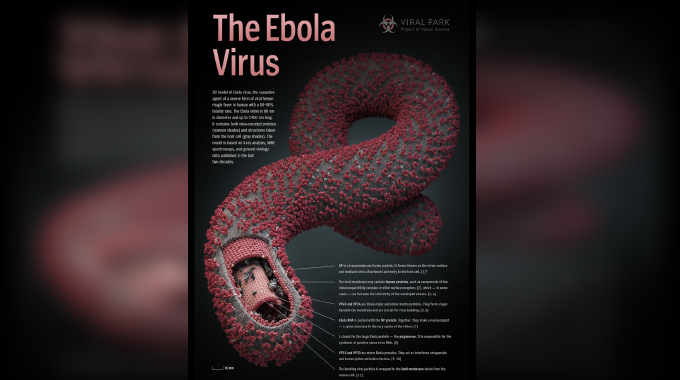
Bundibugyo is one of four known Ebola virus species that can infect humans, alongside Zaire, Sudan and Taï Forest strains. However, it is the rarest of them all. This is only the third time in history that an outbreak of this strain has been recorded.
The first outbreak was reported in 2007–2008 in Bundibugyo district in Uganda, from which the virus takes its name. The second occurred in the DRC in 2012. This current outbreak is the first time Bundibugyo has triggered a global health emergency.
One of the challenges with this strain is that it behaves differently from others. Its replication rate is slower, which can make it seem less aggressive at first. However, this is misleading. The virus still has an incubation period of around 8 to 10 days, and in some cases up to 21 days. By the time symptoms appear, the infection may have already spread within communities.
Perhaps the most serious concern for health officials is the lack of medical tools to fight the virus. Unlike other Ebola strains, there are currently no approved treatments or vaccines specifically designed for Bundibugyo.
The WHO has made this concern clear in its emergency announcement.
“Unlike the Zaire strain, which has been responsible for several outbreaks in the DRC, there are currently no approved therapeutics or vaccines specific to the Bundibugyo virus.”
This means that efforts to contain the outbreak rely heavily on early detection, isolation of cases and community awareness, rather than medical intervention.
The existing Ebola vaccine, known as Ervebo, has been used successfully in past outbreaks involving the Zaire strain. However, it does not provide effective protection against the Bundibugyo virus. Any experimental treatments would require emergency approval, a process that takes time — time that may not be available in a fast-moving outbreak.
Another challenge lies in the way the disease presents itself. In the early stages, symptoms of Bundibugyo Ebola are very similar to common illnesses in the region.
Patients may experience fever, fatigue, muscle pain, headaches and sore throat. As the illness progresses, more severe symptoms such as vomiting, diarrhoea, internal and external bleeding and organ failure begin to appear.
Because the early signs can be mistaken for more common diseases, detecting the virus early becomes more difficult. This increases the risk of it spreading before it is identified.
Healthcare workers are also at high risk. Within just four days of the outbreak being detected, at least four healthcare workers had died. This highlights the dangers faced by those on the front lines and the need for proper protective measures.
There are also signs that the virus is spreading within households. More than 60 percent of reported cases are among women, which suggests that caregiving roles may be contributing to transmission, as family members look after sick relatives at home.
The spread into Uganda has already shown how easily the virus can move across borders. In Kampala, health officials are now monitoring more than 600 contacts, with 15 people classified as high risk.
Despite the growing concern, the WHO has advised against closing borders. Officials believe that such measures could worsen the humanitarian situation without effectively stopping the spread of the virus. Instead, the focus is on strengthening surveillance and screening at border points.
For regions outside Africa, including Europe, the risk is considered low but not zero. The WHO has recommended screening travellers from affected areas but has not called for travel restrictions at this stage.
The current outbreak is part of a longer history of Ebola in the DRC. Since 1976, the country has experienced 17 outbreaks. However, this is the first time the Bundibugyo strain has led to a global emergency declaration.
Previous outbreaks of other strains have not always triggered the same level of response. For example, an outbreak in Kasai Province that ended in October 2025 resulted in 43 deaths, while more than 42,000 people were vaccinated.
Similarly, a Sudan Ebola outbreak in Uganda earlier in 2025 did not lead to a global emergency declaration.
What sets this outbreak apart is the complete lack of medical tools to fight it.
Bundibugyo was only identified less than two decades ago and has received little attention because of its rarity. Scientists believe fruit bats are the natural hosts of the virus, with outbreaks mainly occurring in the Congo River basin.
As the situation continues to develop, the focus remains on containment, awareness and support for affected communities. The coming weeks will be critical in determining whether the outbreak can be controlled before it spreads further.–Africa News/Zimpapers