admin
admin
Freeman Razemba, Harare Bureau
THE National Peace and Reconciliation Commission (NPRC) is set to produce a profile of conflicts that have affected Zimbabwe from the pre-colonial, colonial and post-independent eras, to get a comprehensive understanding of the conflicts before they go out to meet communities.
The NPRC is madated by the Constitution to, inter alia, ensure post-conflict justice, healing and reconciliation as well as develop and implement programmes to promote national healing, unity and cohesion in Zimbabwe and the peaceful resolution of disputes.
The body is now in the process of preparing a compendium of three papers that should be ready by end of the month. It has also advertised for consultants to do the job.
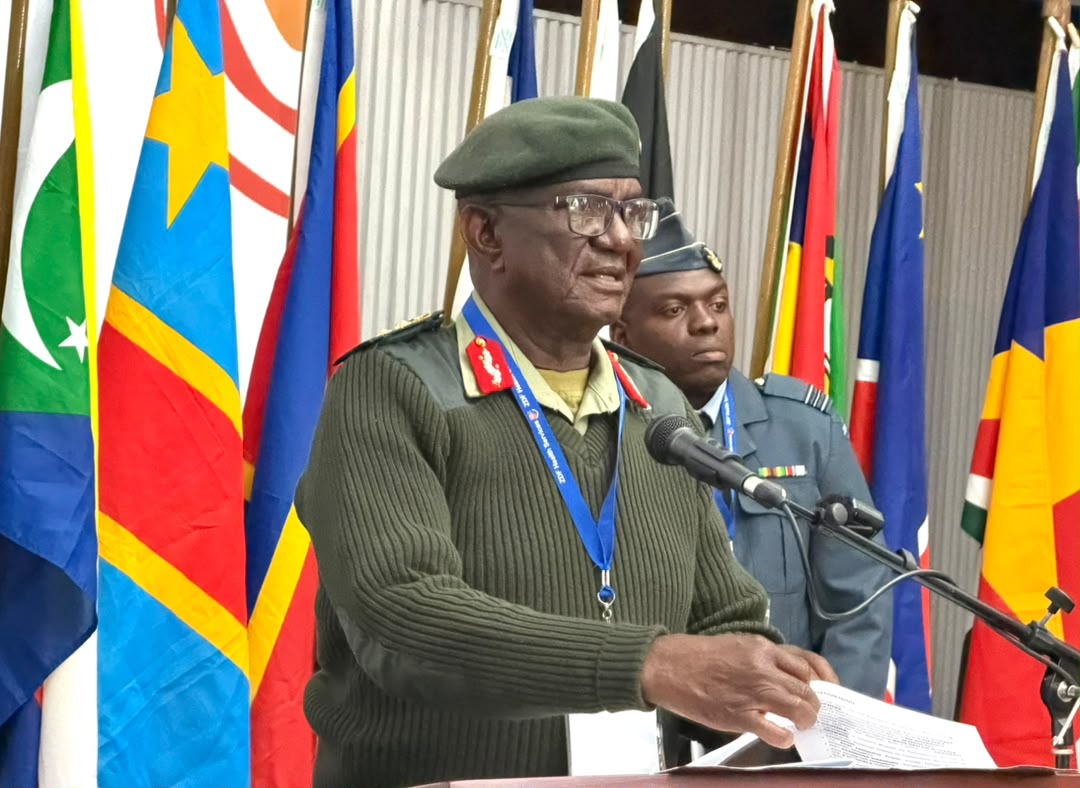
In an interview yesterday, Commissioner Choice Ndoro, who heads the Research and Knowledge Management Committee said: “The Research Committee is now providing theoretical and desk studies of conflicts that have negatively affected Zimbabwe in the early 1890s. So far we have done these three papers and at the end, we will be reframing or narratives on how do we write the correct history of Zimbabwe,” she said.
She said this was done so that the commission will have an appreciation of the background of the events before commissioners meet affected communities.
Comm Ndoro added that they had since completed their five-year strategic plan which has since been disseminated to all the country’s 10 provinces.
“We are also in the process of setting up Provincial Peace Committees and each commissioner is responsible for a province,” she said.
Comm Ndoro said the NPRC was about to carry out Truth Telling and Truth Seeking Programme were victims would appear before the commission.
The developments come after in April, the NPRC embarked on a nationwide outreach programme to share with the public mechanisms and approaches that will be used in handling national healing issues.
The 21-day outreach programme, included strategic priorities for 2019 such as public hearings for healing and reconciliation, mechanisms for early detection of conflicts, national dialogue facilitation, setting up of peace committees, evidence-based legislative and policy recommendations.
In one of the advertisements for a consultant, the NPRC said: “The consultant should review the paper, add, subtract and correct facts in the paper in order to produce as near a reflection of the Gukurahundi conflict as possible. The various narratives espoused by authors should be reflected and this will be complemented by communities when the Commission interacts with them.
“The theoretical and practical blending of information will enable the NPRC to obtain a comprehensive understanding of the conflict.”
The required consultant should have a university degree or qualification in Peace and Conflict, Political Science, History or related field.
A minimum of five years relevant cumulative experience in research and report writing as well as two publications on Gukurahundi; well written and spoken English language, are some of the skills required.
The consultant should also understand the NPRC vision, mission and strategic goals as well as the 10 functions of the Commission. One should also possess gender analytic skills.
In April, the NPRC urged Zimbabweans to make truthful and honest testimonies that may assist in investigations into post-independence disturbances in the Midlands and Matabeleland provinces to pave way for national healing.
Speaking during a recent community hearing pioneered by the Zimbabwe Christian Alliance (ZCA) to bring dialogue between the Commission and the public in Bulawayo, Commissioner Leslie Ncube said exaggerations may mislead investigators.



 Online Reporter