admin
admin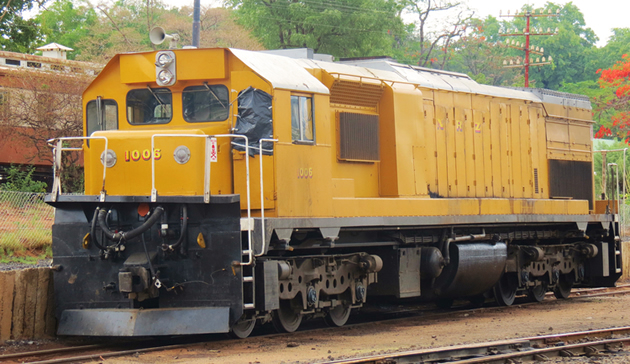
The Zimbabwe Revenue Authority (Zimra) said on Friday it is critical for the Government to prioritise reviving the troubled National Railways of Zimbabwe (NRZ) as a means to de-congest the country’s borders.
Travellers as well as transporters accuse border authorities and Zimra of inefficiencies which keep truckers at the borders sometimes for more than two weeks.
Long queues are the order of the day at the border especially at Beitbridge, the country’s busiest entry point, which connects Zimbabwe and other regional countries such as Zambia, Malawi and the Democratic Republic of Congo.
Road has become the cheapest way to transport goods in the absence of a functional railway services provider.
The debt-ridden NRZ, which owes creditors over $140 million, among them its workers, is in urgent need of recapitalisation to buy new equipment and restore its aged infrastructure.
At its peak in 1998, the railway services provider moved over 18 million tonnes of freight which has over the years slumped to 2,8 million tonnes as of last year, as internal and external factors take a toll on the company.
Zimra acting commissioner general Robert Mangwiro said revival of the NRZ was paramount as most of the goods currently being moved by road would be transported via rail which is much cheaper.
Rail has a separate goods clearing point which will de-congest the borders.
“Let us resuscitate our rail system. We are unnecessarily congesting our borders with bulk goods (carriers),” he said.
“Those trucks are not only congesting our borders but are also destroying our roads.”
Mr Mangwiro said Zimra had adopted new and improved systems to assist clear goods faster and reduce congestion.
Revival of the State-owned company, however remains a herculean task as the Government is saddled with other pressing demands compounded by financial constraints.
So far the company has unsuccessfully tried to mobilise funding from institutions such as the Development Bank of Southern Africa and has said it was considering disposing some of its foreign assets to raise working capital. — New Ziana.



 Online Reporter