admin
admin
Leonard Ncube Bulawayo Bureau
AROUND 200 workers are killed every year in job-related accidents and job-related disease, and the monetary costs of the accidents total more than US$15 million a year, with employers blamed for some of these accidents by not implementing occupational safety measures.
The attainment of the country’s vision for an upper middle income society by 2030 depends on employees effectively contributing to economic development.
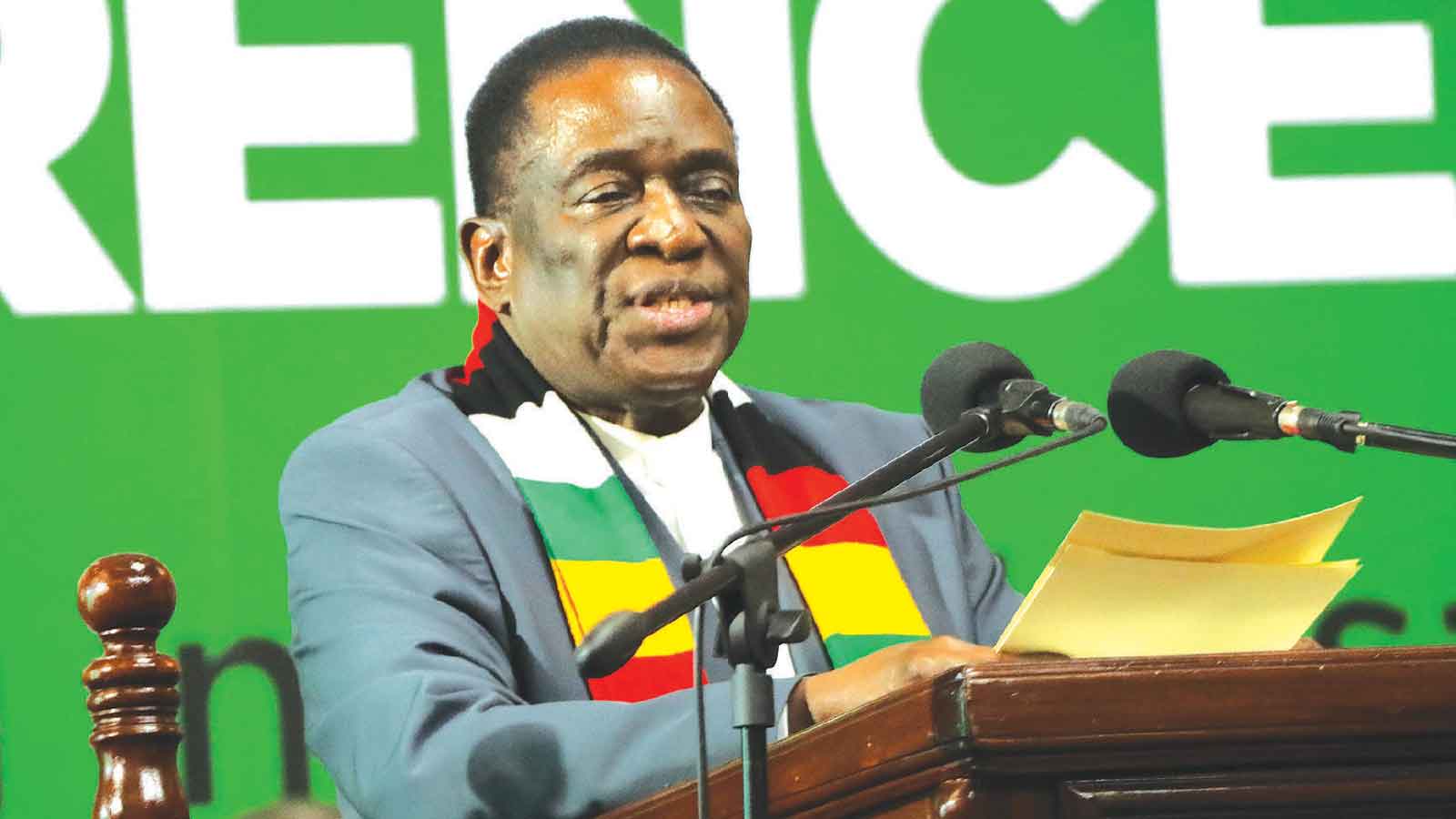
This came out on the first day of the National Social Security Authority (NSSA) 60th annual national conference on safety and health at work (SHAW) in Bulawayo.
The conference seeks to assess and evaluate safety and health in organisations, exchange of experiences, practices, and expert knowledge on the creation of hazard free work environments.
It also seeks to provide a platform for creating strategic partnerships for innovation and practical ideas for accident prevention in the workplace.
Going under the theme: “Safe and healthy work environment: A fundamental principle and right at work”, the conference seeks to promote leveraging of business on good occupational safety and health practice.
NSSA general manager Dr Charles Shava said Zimbabwe’s economy was too small to lose millions of dollars and hundreds of lives to workplace injuries.
“This is our annual SHAW conference where we invite all key players in the industry to discuss issues that concern safety. To us as the regulator we bring all these people together so that when we go and visit workplaces investigating OSH which is our key deliverable people will be knowing what we expect.
“Attaining Vision 2030 for an upper middle income society depends on a healthy and safe worker and if our workers are unsafe, ill and stressed, then achievement of any economic boom will be lost. This country loses around US$15 million every year to diseases of workplaces so we take this seriously to make sure that we share knowledge that may help us to reduce that cost burden on the economy of Zimbabwe,” said Dr Shava. He said besides the monetary loss, Zimbabwe loses over 200 workers every year due to accidents in mining, manufacturing and other sectors.
“This is a needless loss of life and we want to make sure that these things are prevented. We have over 5 000 workplace injuries that happen to our workers across industries and these statistics are very high for a small economy like Zimbabwe which is basically employing about 1,3 million people in the formal sector.
“Compared with Great Britain which has a formal workforce of 10 million, they have about less than 150 deaths per year and you can see that our rate of injury is completely unacceptable. So the purpose of this conference is to make sure that we can put our heads together and prevent that,” said Dr Shava.
He urged employers to involve workers in planning saying some companies sit as management and do risk assessment on paper before presenting files to NSSA without input of workers who have a day-to-day interaction with shop floor operations.
“We cannot run a successful safety health programme if we don’t include the workers because ultimately it is the worker who knows what must be done and it is the same worker that is assessed to make sure that the workplace is safe. So in whatever you do in a workplace the worker is always number one and when you do assessment you must always involve workers in the design and assessment of control measures which they should understand and sign,” said Dr Shava.
Senior occupational safety and health executive Mr Matthew Ncube said the cost of workplace injuries and deaths as well as environmental hazards have a huge bearing on the economy and.
“If these can be prevented, that money can be saved and invested into the economy. OSH goes beyond the workplace. We need to understand and be clear about programmes we make. We need inclusivity of workers because they are the ones who have solutions and if you don’t consult them, you won’t get lasting solutions to the hazards because they are the ones with the knowledge of companies,” said Mr Ncube.
Delegates concurred that social dialogue was key to success of the economy. Safety health manager at Murowa Diamonds Mr Freeman Mutara said the miner had improved working relations by involving workers in programming.
Public Service, Labour and Social Welfare Minister July Moyo will officially open the conference today before it ends tomorrow.


 Online Reporter