

 Online Reporter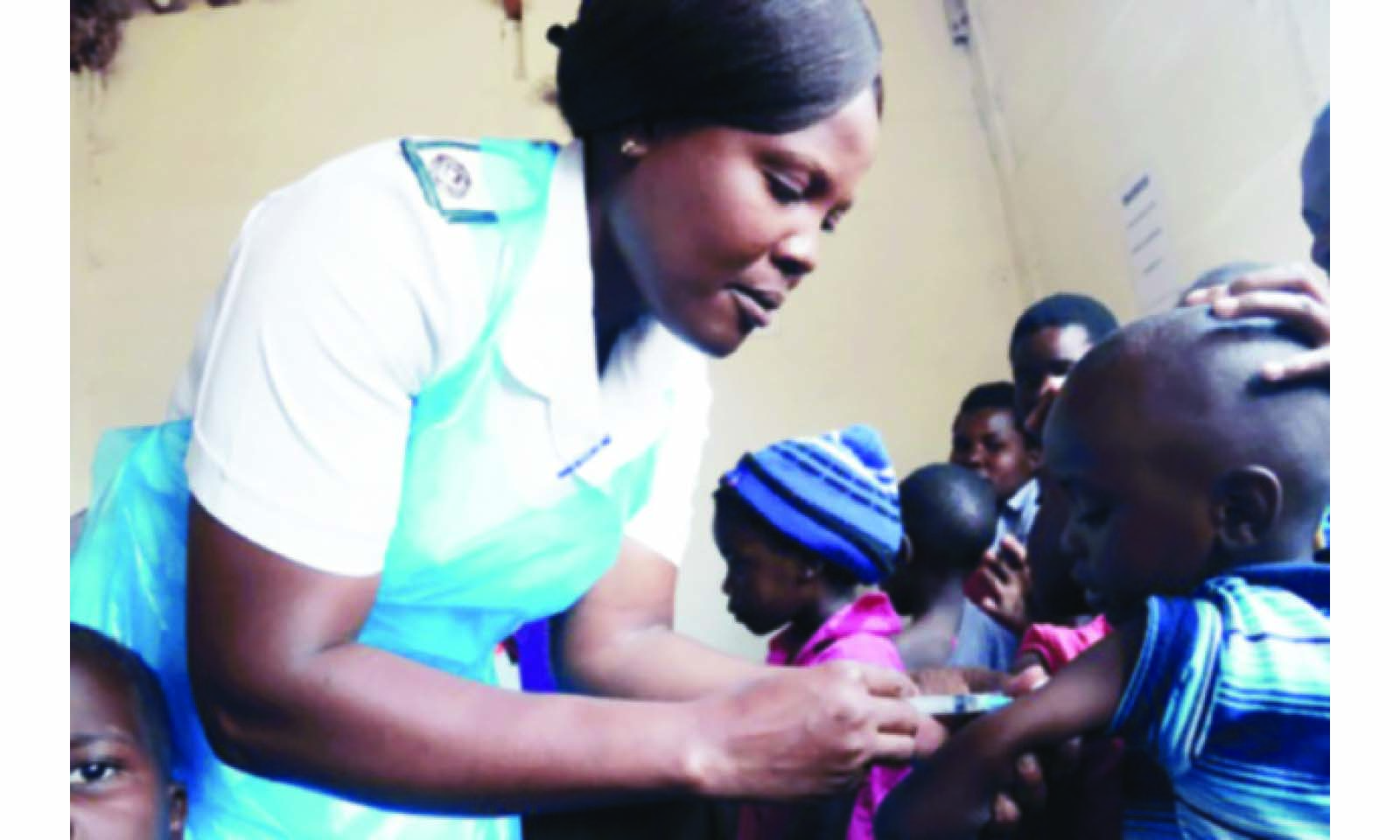
Rumbidzayi Zinyuke-Health Buzz
YESTERDAY, May 12, Zimbabwe joined the global health community in commemorating International Nurses Day 2025, a day that not only celebrates the critical contributions of nurses but also invites reflection on their evolving role in national development.
The global theme “Our Nurses. Our Future. Caring for nurses strengthens economies”, resonates powerfully in the Zimbabwean context, where nurses are the lifeline of an overstretched healthcare system and the unsung custodians of community well-being.
In its official message of support, the Health Service Commission (HSC) aptly described nurses as “the backbone of our healthcare system.”
“We recognise nurses as the backbone of our healthcare system, and this year, we celebrate and honour their resilience, dedication and commitment in delivering quality healthcare to the Nation,” said HSC secretary Dr Christopher Pasi.
But beyond tribute, he drew attention to a deeper strategic truth: Zimbabwe cannot hope to achieve Universal Health Coverage (UHC) without prioritising and empowering its nursing workforce.
Universal Health Coverage, a goal endorsed by the World Health Organisation, is about ensuring that every person can access quality healthcare services when they need them, without falling into financial hardship.
This is aptly summed up in Zimbabwe’s own vision of leaving no one and no place behind in health service delivery.
In real terms, this means a mother in Binga should receive antenatal care without worrying about travel costs, a diabetic patient in Mbare should get medication without selling household goods, and a child in Gutu should be immunised without delay or shortage.
For many country in Sub Saharan Africa , where public healthcare remains under-resourced and where rural communities face long distances to access care, UHC is both an ethical imperative and a development priority.
For Zimbabwe, it aligns with the national Vision 2030 blueprint, which envisions a healthy, empowered, and economically stable population.
But realising this vision demands more than policy ambition, it requires a skilled, motivated, and adequately supported healthcare workforce. And at the heart of this workforce are nurses, who make up approximately 75 percent of Zimbabwe’s health personnel.
These are the nation’s first responders
Nurses are often the first, and sometimes the only, health professionals many Zimbabweans encounter.
In countless rural clinics across all provinces, it is the nurse who serves where there might not be a doctor, pharmacist, counsellor or midwife. They sometimes carry the full weight of clinical care for big populations in their catchment area.
Zimbabwe currently has only about 1,3 nurses per 1 000 people, well below the World Health Organisation’s recommended minimum threshold.
This shortfall has far-reaching implications as it strains already burdened facilities, compromises the quality of care, and leaves millions vulnerable, especially in hard-to-reach communities.
The consequence is that many patients may go untreated, preventative services delayed and diseases that could have been managed early become fatal.
In such an environment, the work of nurses becomes not only medical but also humanitarian, anchored in compassion, endurance, and an unwavering commitment to duty.
This year’s International Nurses Day theme makes a powerful claim: that investing in nurses is not only a moral responsibility but an economic strategy.
A healthy workforce contributes more productively to the economy. When chronic illnesses like hypertension and diabetes are properly managed through nurse-led interventions, absenteeism at workplaces drops. When maternal and child health improves, families thrive. And when communities receive accurate health information, disease outbreaks are contained, reducing national health spending.
Indeed, healthcare is no longer just a service, it becomes an engine of economic development and nurses sit at the centre of this engine. They run vaccination campaigns, lead sexual and reproductive health programs, counsel patients on nutrition and mental health, and monitor outbreaks in collaboration with environmental health officers and village health workers among other health workers.
However, this critical role is under siege. In recent years, Zimbabwe has suffered a sharp increase in the migration of skilled nurses to countries offering better salaries and conditions. More than 4 000 nurses are estimated to have left the country since 2020, contributing to a serious challenge in public healthcare delivery.
The remaining nurses are left to cover the gaps, leading to burnout and demotivation.
But recognising these challenges, the Health Service Commission has taken steps toward reform. It has outlined a vision to build a resilient, motivated, and well-resourced nursing workforce.
“Looking ahead, the Commission is committed to building a resilient, motivated, and well -resourced nursing workforce. We are currently undertaking strategic initiatives, including job evaluation, the enhancement of career progression pathways, and improved working conditions. Our aim is to ensure that every nurse is not only equipped with the necessary skills but is also respected, protected, and valued as a cornerstone of Zimbabwe’s health goals and universal health coverage agenda,” said Dr Pasi.
There is also a push to prioritise wellness initiatives for nurses themselves, focusing on their physical and mental health.
As the Commission rightly notes, empowering nurses means empowering families, communities, and ultimately, the nation.
However, this vision will only bear fruit if it is supported by broad-based, cross-sectoral collaboration. Ministries beyond Health, such as Finance, Education, and Local Government, must align efforts.
Private sector players, development partners, and civil society must also come on board, not just in word but through funding, training, and infrastructure development.
To achieve UHC, Zimbabwe must reframe the narrative around nurses, not as secondary actors in the health system, but as co-architects of national development. Nurses must be equipped not only with clinical tools but with a voice at the table where health priorities are set and budgets are allocated.
What Zimbabwe needs is increased health financing, nurse-led policy platforms, rural service incentives, and a comprehensive strategy to retain talent. These are not luxuries; they are the prerequisites for achieving health equity and economic resilience.
Caring for nurses is caring for the nation. At a time when global health is increasingly tied to economic survival, Zimbabwe must recognise that the road to Universal Health Coverage could be paved in the hands of nurses.
By lifting them, the country lifts the entire healthcare system. By valuing them, we move closer to a future where no Zimbabwean is left behind in matters of health.
Feedback: [email protected]



