Mkhululi Ncube [email protected]
NUTRITIONAL gardens in Ward 7 of Insiza District, Matabeleland South Province, are helping rural women im-prove household food security, generate income and fight gender-based violence (GBV) through economic em-powerment.
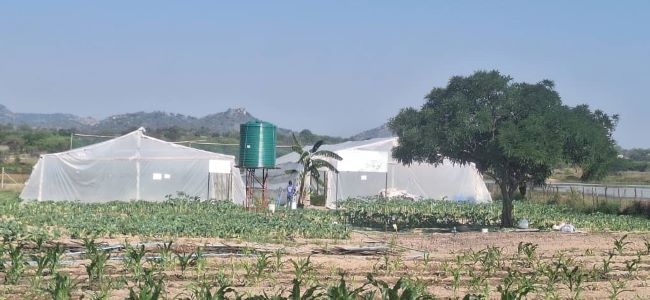
Supported y Emthonjeni Women’s Forum (EWF), the initiatives are diversifying into greenhouse farming, vegetable production and aquaculture, enabling women to support their families while building financial independence.
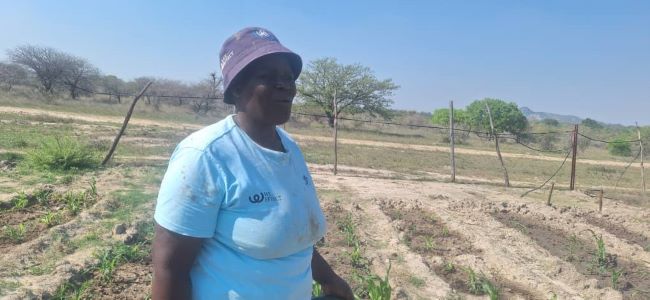
At Qinisela Greenhouse Nutritional Garden in Vokola Village, Chairperson Mrs Siphethile Nsingo said green-house farming had opened up opportunities the 17-member group once considered out of reach.
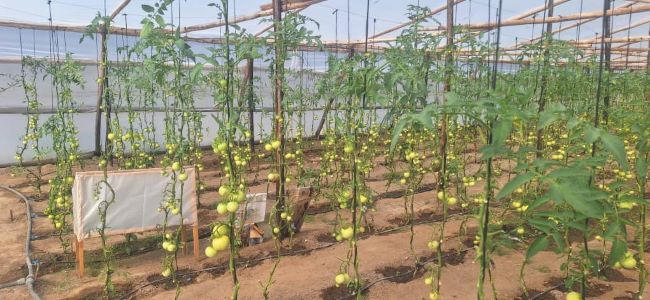
With EWF’s support, the group received a borehole and two greenhouses, allowing it to grow tomatoes, green peppers and other crops under more controlled conditions.
“We have two green house and at the moment we have tomatoes and green paper inside. The green house helps a lot because during the cold frost bite is not a problem and attacks diseases attacks are reduced as the plastic provides protection.
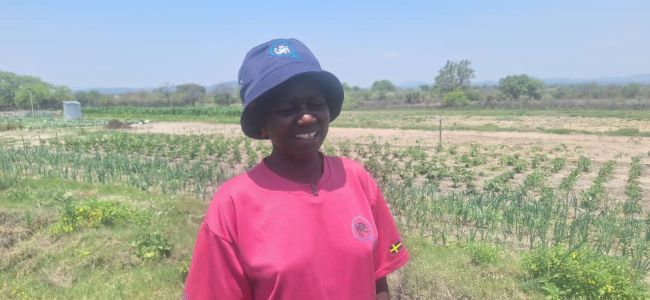
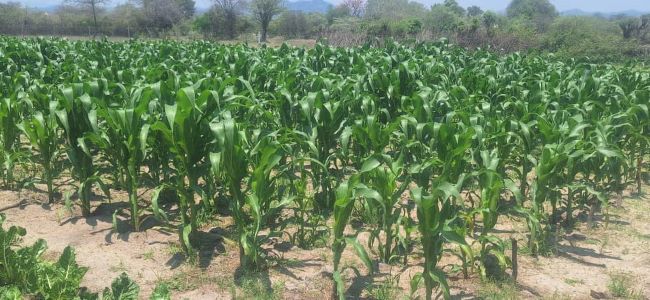
“We also have space outside the green houses and at the moment we have a maize crop and various kind of vegetables. There are 17 women who are members of this project and we are reaping good rewards .We able to support our families, pay for our children`s education by livestock and variously home tools,” she said.
Mrs Nsingo said EWF had also trained the women to improve production and maximise the benefits of their garden.
She said the project was helping reduce household tensions linked to financial dependence by giving women an income of their own.
“This project is a good tool for reducing GBV at homes because we spend much of our time here. We use proceeds to supplement income at homes which reduces squabbles over money. We also have ISAL clubs we do to further boost our incomes,” she said.
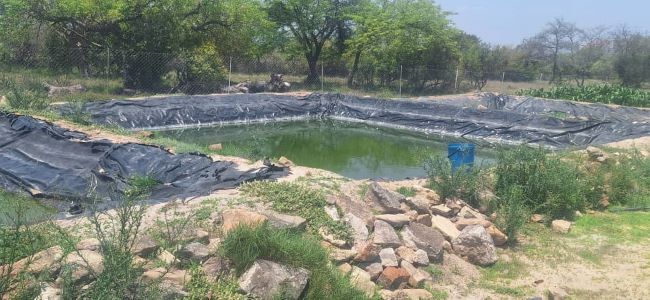
At Ngazimbi Nutrition Garden, nine members are combining vegetable production with fish farming to improve nutrition and diversify their income.
The group has three fish ponds and produces tomatoes, onions and other vegetables for sale. Members have also completed a fish harvest, demonstrating the potential of aquaculture to complement crop production.
Garden chairperson Ms Sibusisiwe Sibanda said the group was making progress despite challenges posed by excessive rainfall and limited markets for perishable produce.
“Last year we had too much rainfall and with our soils we did not reap much and hence we kept proceeds to continue with business. We struggle sometimes with market for perishables like tomatoes but we are devising ways to preserve them as we improve on marketing,” she said.
The group is also looking forward to harvesting its maize crop, which is at the flowering stage.
Mrs Estel Moyo said fish farming has proved particularly beneficial because of the market for fish and its nutritional value.
“We received them in November last from EWF and considering that this was our first time we did well. Fish are a good source of protein and we are benefiting from the project greatly we continue learning but so far so good. We want to put a fourth pond to increase capacity and try and have them at different stages,” she said.
Mrs Moyo said the gardens had also improved access to water, easing a challenge often faced by rural house-holds.
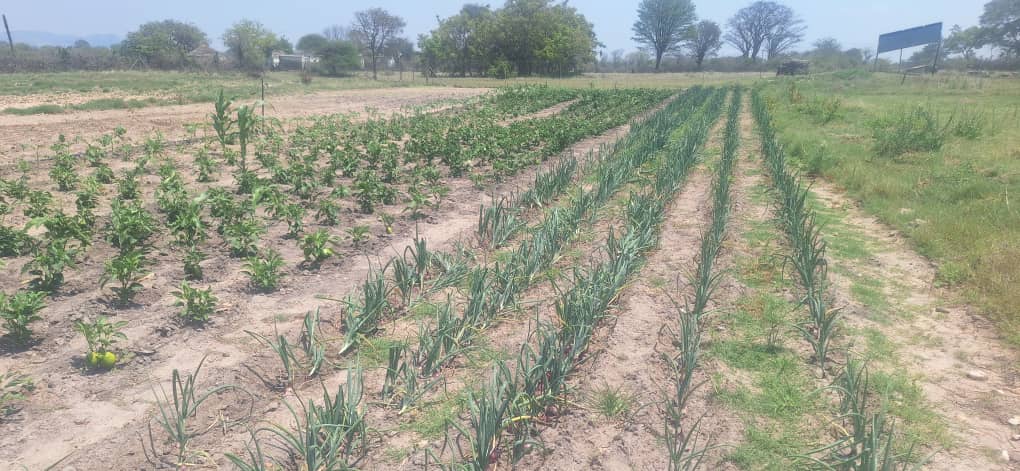
“Because we are in a rural area, most men work in towns or outside the country which has it is now challenges for us. But if you have something that can sustain you financial it reduces the burden we face. The nutritional gardens are also a good source of water for us. We no longer struggle to get water,” she said.
Although the initiatives primarily target women, three men are also participating, contributing labour and promoting cooperation.
EWF is also supporting other income-generating projects, including Cute Clothing, a sewing enterprise com-prising two women and one man.
The group received sewing machines from the organisation and now supplies uniforms to four local schools, while serving other community members.
“We both had expertise in sewing but we did not have much in terms of equipment. EWF supported us by sup-plying us with machines. We have four schools around that we supply uniforms, community members also sup-port us, we are doing very well. We have been renting this shop but we have now bought our own stand and we are in the process of building our own place to operate from,” said group member Mr Kenious Sibanda.
Mr Sibanda, who previously worked for several textile companies in Bulawayo before relocating to his rural home, said the support had helped the group move towards establishing permanent business premises.
EWF programmes manager Ms Plaxedes Moyo said the livelihood initiatives were designed to address food insecurity, poverty and GBV while strengthening women’s economic independence.
“EWF seeks to empower women in Insiza to access land, generate income and improve household food securi-ty. This contributes to the Government’s NDS2 development aspirations on agricultural productivity, poverty reduction and inclusive economic growth.”
“The WE EFFECT supported initiative advances EWF’s strategic pillar of Economic Justice and Sustainable Live-lihoods, recognizing that economically empowered women have greater agency, decision-making power and opportunities to prevent and respond to Gender-Based Violence (GBV),” she said.
Through greenhouse farming, fish production and small businesses, the projects are helping women support their families, pay school fees and build sustainable livelihoods while reducing financial pressures at home.