admin
admin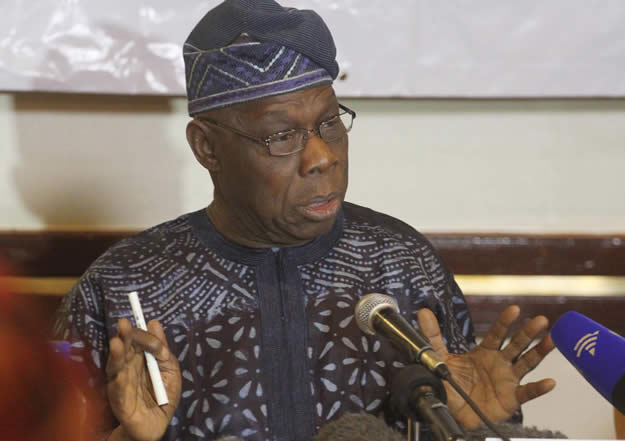
Lagos — Nigeria’s ex-president Olusegun Obasanjo has met with people close to Boko Haram in an attempt to broker the release of more than 200 kidnapped schoolgirls, a source close to the talks said.
The meeting took place last weekend at Obasanjo’s farm in southern Ogun state and included relatives of some senior Boko Haram fighters as well as intermediaries and the former president, the source said.
“The meeting was focused on how to free the girls through negotiation,” said the source who requested anonymity, referring to the girls seized on April 14 from the remote north-eastern town of Chibok, Borno state.
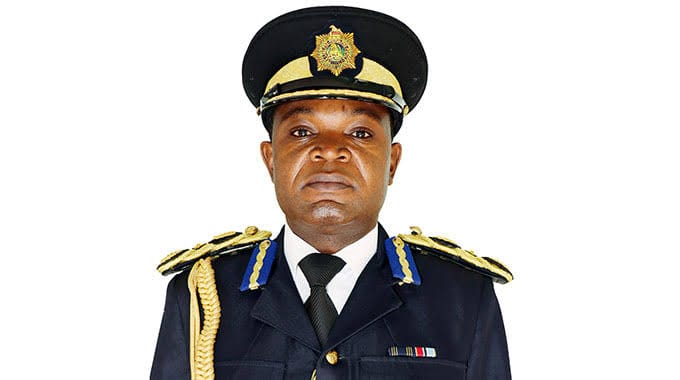
Reports of the talks emerged as Nigeria’s Chief of Defence Staff, Air Chief Marshal Alex Badeh, said the girls had been located while casting doubt on the prospect of rescuing them by force.
Obasanjo, who left office in 2007, has previously sought to negotiate with the insurgents, including in September 2011 after Boko Haram bombed the United Nations headquarters in Abuja.
Then, he flew to the Islamists’ base in the Borno state capital, Maiduguri, to meet relatives of former Boko Haram leader Mohammed Yusuf, who was killed in police custody in 2009.
The 2011 talks did not help stem the violence and some at the time doubted if Obasanjo was dealing with people who were legitimately capable of negotiating a ceasefire.
Spokesperson for the former head of state, who remains an influential figure in Nigerian politics, could not be reached to comment on the latest reported Boko Haram talks.
But the source said that Obasanjo had voiced concern about Nigeria’s acceptance of foreign military personnel to help rescue the girls.
“He said he is worried that Nigeria’s prestige in Africa as a major continental power had been diminished” by President Goodluck Jonathan’s decision to bring in Western military help, including from the United States.
Mustapha Zanna, the lawyer who helped organise Obasanjo’s 2011 talks with Boko Haram, said he was at the former president’s home on Saturday.
But he declined to discuss whether the Chibok abductions were on the agenda.
“I was there,” he said, adding that Obasanjo was interested in helping orphans and vulnerable children in Nigeria’s embattled northeast and that possible charitable work was on the agenda.
Zanna had represented Yusuf’s family in a wrongful death lawsuit filed against the government following his death in police custody.
It was not clear if Obasanjo’s weekend meeting had been sanctioned by the government.
Obasanjo, who backed Jonathan’s 2011 presidential campaign, fiercely criticised him and his record as president in a letter released to the public last December and the two are widely thought to have fallen out.
According to the source, Obasanjo supported a prisoner-for-hostage swap that would see some of the girls released in exchange for a group of Boko Haram fighters held in Nigerian custody. As a private citizen whose ties to the presidency have been damaged, Obasanjo likely does not have the authority to negotiate any deal on the government’s behalf.
The government, which has officially ruled out a prisoner swap, sent intermediaries to meet Boko Haram in the north-east to negotiate for the girls’ release.
The source identified one of the envoys as Ahmad Salkida, a journalist with ties to Boko Haram who had been close to Yusuf before his death.
“There was contact but it was bungled by the government,” according to the source, saying Jonathan backed away from the deal after returning from a security conference in Paris earlier this month.
The conference saw Nigeria and its neighbours vow greater co-operation to tackle Boko Haram because of the potential threat to regional stability.
The chief of defence staff on Monday said that despite having located the girls, the risks of storming the area with troops in a rescue mission were too great and could prove fatal for the hostages.
Meanwhile, Nigeria’s military fears using force to try to free them could get them killed, the country’s chief of defence said on Monday.
Air Marshal Badeh told demonstrators supporting the much criticised military that Nigerian troops can save the girls. But he added, “we can’t go and kill our girls in the name of trying to get them back.”
He spoke to thousands of demonstrators who marched to defence ministry headquarters in Abuja, the capital. Many were brought in on buses, indicating it was an organised event.
Asked by reporters where they had found the girls, Badeh refused to elaborate.
“We want our girls back. I can tell you we can do it. Our military can do it. But where they are held, can we go with force?” he asked the crowd.
People roared back, “No!”
“If we go with force what will happen?” Badeh asked.
“They will die,” the demonstrators responded.
That appeared to leave negotiation the sole option, but a human rights activist close to negotiators said a deal to swap the girls for detained Boko Haram members was agreed last week and then scuttled at the last minute by Jonathan. The activist who is close to those mediating between Boko Haram extremists and government officials said the girls would have been freed last week on Monday. —AP.



 Online Reporter