Business Reporter
THE Infrastructure and Development Bank of Zimbabwe says severe off-site infrastructure deficits are undermining the viability of real estate projects and restricting access to institutional capital.
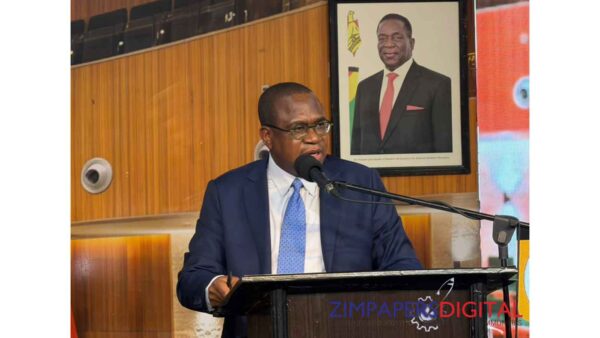
Addressing the Zim Real Estate & Construction Summit, IDBZ director (infrastructure projects) Dr Reggie Dangarembwa noted that missing infrastructure — such as roads, power, water, sanitation and digital connectivity — leads to higher up-front costs and project delays.
The 3rd Edition of the summit is running October 28 to 31 at the Newlands Country Club in Harare under the theme “Strategies for Growth Through Strategic Partnerships: Unlocking Funding for Large-Scale Projects,” placing strong emphasis on industry collaboration and resilience.
“Infrastructure must be funded and sequenced as part of the project—not treated as an afterthought,” Dr Dangarembwa said, emphasising its direct impact on cash-flow visibility.
He said financial institutions required hard evidence rather than raw development concepts to approve funding.
Every project must pass three core tests before receiving financing: market demand, financial sustainability and execution capacity.
Dr Dangarembwa said developers must demonstrate independent demand, realistic pricing and verifiable absorption evidence.
He said financial cases must include robust cost plans, net present values, internal rates of return and healthy Debt Service Coverage Ratios.
Execution capacity requires secure legal approvals, competent delivery teams and rigorous risk controls.
Dr Dangarembwa outlined six foundational pillars for a lender-ready dossier, including secure land rights, technical feasibility studies, enabling utilities, appropriate financing structures, Environmental, Social and Governance safeguards and clear risk allocation.
Noting the broader economic impact of proper planning, he highlighted that “the investment question is not simply ‘what does infrastructure cost?’ but ‘what risk and value does it change?’”
To bridge the transition from concept to commercial operation, Mr Dangarembwa emphasised the need for an adequately resourced project preparation and development facility.
Stakeholders were urged to utilise strategic delivery models such as Public-Private Partnerships, joint developments, and Build-Operate-Transfer arrangements to mobilise long-term capital.
Established in 2024, the Zimbabwe Real Estate & Construction Summit (ZiRECS) operates as the country’s leading and only full-hybrid platform dedicated to promoting the real estate and construction sectors.
The platform connects a wide range of industry stakeholders, including investors, buyers, sellers and the Government.
Summit activities are structured to feature dedicated conference and networking days on October 28 and 29, followed by stakeholder property tours on October 30.
The annual event will conclude on October 31 with the Zimbabwe Real Estate & Construction Awards Night to honour industry excellence and innovation.
Beyond its flagship summit, ZiRECS organises core initiatives that include the annual Zimbabwe Women in Real Estate & Construction Awards held every May. The organisation’s broader calendar features free public lectures, specialised masterclasses and the dedicated Construction Suppliers Expo.