Arron Nyamayaro-Herald Reporter
SOME motorists have been caught committing multiple traffic offences as police intensify enforcement through the newly activated Electronic Traffic Management System, warning that reckless drivers risk prosecution, driving bans and cancellation of their licences.
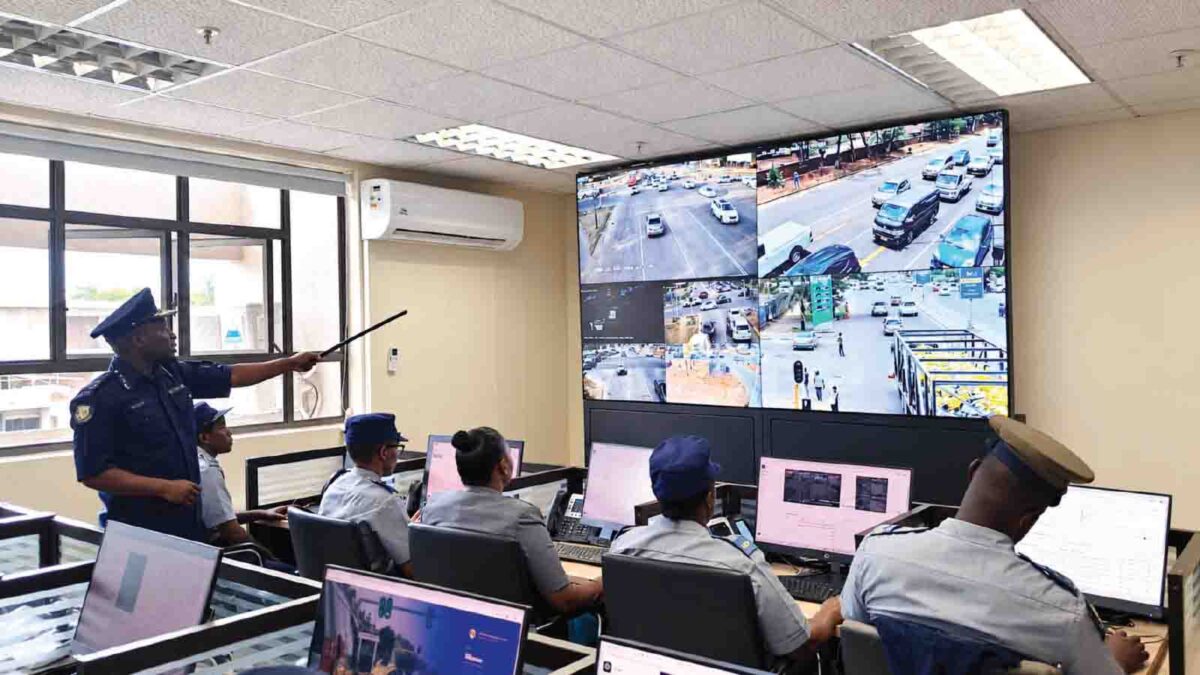
National police spokesperson, Commissioner Paul Nyathi, issued the warning yesterday after journalists were allowed to observe traffic in Harare’s central business district through the system, which is operational at 20 sites.
He said the technology was exposing the extent of traffic violations and would help police hold offenders accountable, while protecting law-abiding motorists and other road users.
“The system is not there to punish motorists and pedestrians, but to bring sanity to our roads and stop reckless driving that endangers other road users,” said Comm Nyathi.
Journalists were shown footage captured by the cameras of some motorists who have committed multiple offences and face several penalties.
Comm Nyathi warned that motorists who disregard traffic regulations risk serious consequences, including losing their driving licences, depending on the offences committed and the applicable legal provisions.
Among the offences being monitored by the cameras are overtaking at traffic lights, driving without fastening seatbelts, picking up or dropping off passengers at undesignated points and other forms of reckless driving.
Pedestrians and motorcyclists are also under scrutiny, with police warning against jaywalking and dangerous riding.
The system is expected to reduce road accidents, curb roadside corruption and help police detect suspected criminal activity, including armed robberies and smash-and-grab incidents.
Comm Nyathi said technology-driven enforcement would reduce unnecessary face-to-face encounters between motorists and police officers, limiting opportunities for bribery, extortion and manipulation.
“The system is shifting towards technology-driven law enforcement,” he said.
Motorists caught committing traffic offences will receive electronic notifications and have seven days to respond.
They will then have a further seven days to pay any fine. Those who fail to respond within the stipulated 14-day period risk being blacklisted and placed on a police wanted list for prosecution.
“Every motorist found on the wrong side of the law will be given the opportunity to view the recorded video and will have the choice of paying the fine or appearing in court,” Comm Nyathi said.
He said the system would assist officers on the ground rather than replace them, enabling quicker responses to crime and suspicious movements.
Police also reminded motorists that the rules applied equally to everyone, including drivers of Government vehicles and urged vehicle owners to ensure their registration and ownership records were up to date.
The system can identify vehicles through their registered owners, including those belonging to companies and Government departments.
Some journalists and media representatives raised concerns about the system’s legal basis, reliability, use of artificial intelligence and electronic notifications.
They also appealed for a grace period to allow individuals and organisations to bring their vehicles into compliance.
Local authorities were also encouraged to repair malfunctioning traffic lights and improve road markings, saying road infrastructure was equally important in promoting safety.
Comm Nyathi said police would conduct public awareness campaigns across the country to explain the system and remind road users of their responsibilities.
The cameras are expected to be installed at additional locations as the programme expands, potentially going to Bulawayo next.
Police urged motorists, pedestrians and motorcyclists to observe traffic regulations, warning that the system would make it harder for offenders to escape detection.
“Let everyone respect the sanctity of life, respect other road users and observe traffic rules and regulations,” Comm Nyathi said.