

 Online Reporter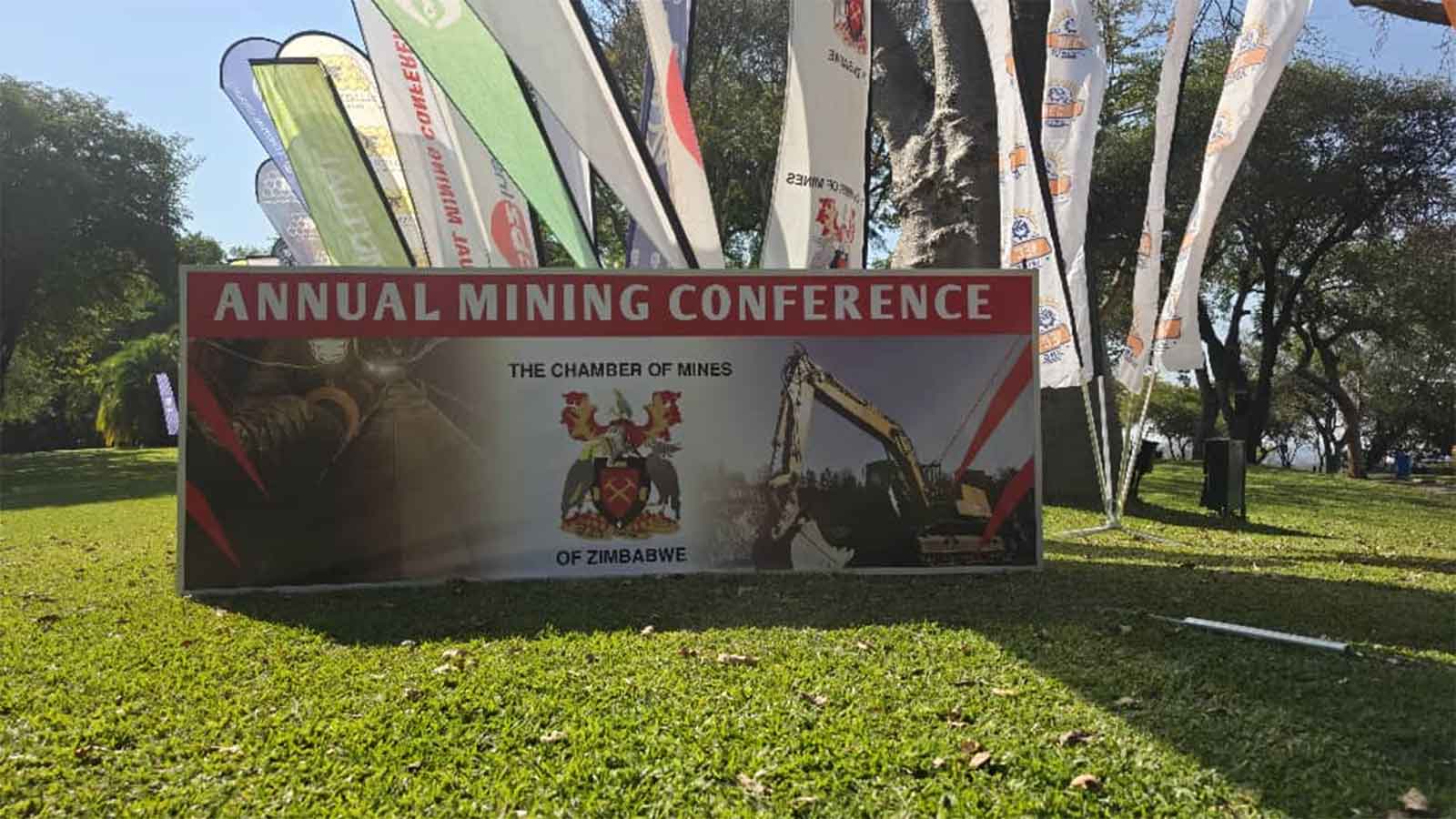
Rutendo Nyeve-Victoria Falls Bureau
ZIMBABWE is edging closer to reducing its annual fuel import bill of more than US$1 billion as the Cabora Bassa oil and gas project gathers momentum, raising hopes of greater energy security, new jobs and industrial growth.
After decades of relying heavily on imported fuel, the country has now confirmed a working petroleum system in the Cabora Bassa Basin through the Mukuyu-1 and Mukuyu-2 wells, with preparations underway for another major exploration well expected to be drilled later this year.
The Musuma-1 exploration well, scheduled for the second half of 2026, will target an estimated 1,2 trillion cubic feet of gas and 73 million barrels of condensate, a light hydrocarbon that can be refined into fuels and petrochemical products.
The developments are part of Zimbabwe’s bigger strategy to harness domestic hydrocarbon resources and lessen dependence on costly fuel imports, which have for years exerted pressure on foreign currency reserves.
Speaking at the coal, oil and gas symposium held on the sidelines of the ongoing Chamber of Mines of Zimbabwe Annual Conference in Victoria Falls, Government and industry officials said the Cabora Bassa Basin could transform the country’s energy landscape.
Chief director for mining development, Engineer Leon Godza, said Government had laid a strong policy foundation through the Petroleum Production Sharing Agreement (PPSA), signed on May 28.
The agreement, the first of its kind in Zimbabwe, grants the project National Project Status and Special Economic Zone status while guaranteeing State participation through the Mutapa Investment Fund.
“The agreement confers national project status and Special Economic Zone status and it embeds State participation through the Mutapa Investment Fund so that Zimbabwe and her citizens share directly in the upside. It is the first framework of its kind in our nation’s history,” said Eng Godza.
He said the agreement provides a stable, transparent and internationally competitive legal and fiscal framework covering the entire petroleum value chain from exploration to production.
Eng Godza said the country’s policy thrust was shifting decisively from exporting raw resources to value addition and beneficiation.
“The throughline of this overview is a single, deliberate movement: from raw extraction to integrated value. Coal remains our anchor and is being beneficiated; coalbed methane is the near-term gas prize; and Cabora Bassa opens an entirely new petroleum frontier.”



