daniel chigunwe
Rumbidzayi Zinyuke
Senior Health Reporter
Zimbabwe needs to implement new strategies in the HIV response following an emerging trend of increased new infections among people aged 50 and above along with the growing number of older people living with HIV acquired years ago, but who have been able to live a more normal life with ART.
UNAIDS says 3,6 million people aged 50 years and older are living with HIV globally.
For Zimbabwe, about 22 percent of the 1,4 million of people living with HIV were above the age of 50 in 2022.
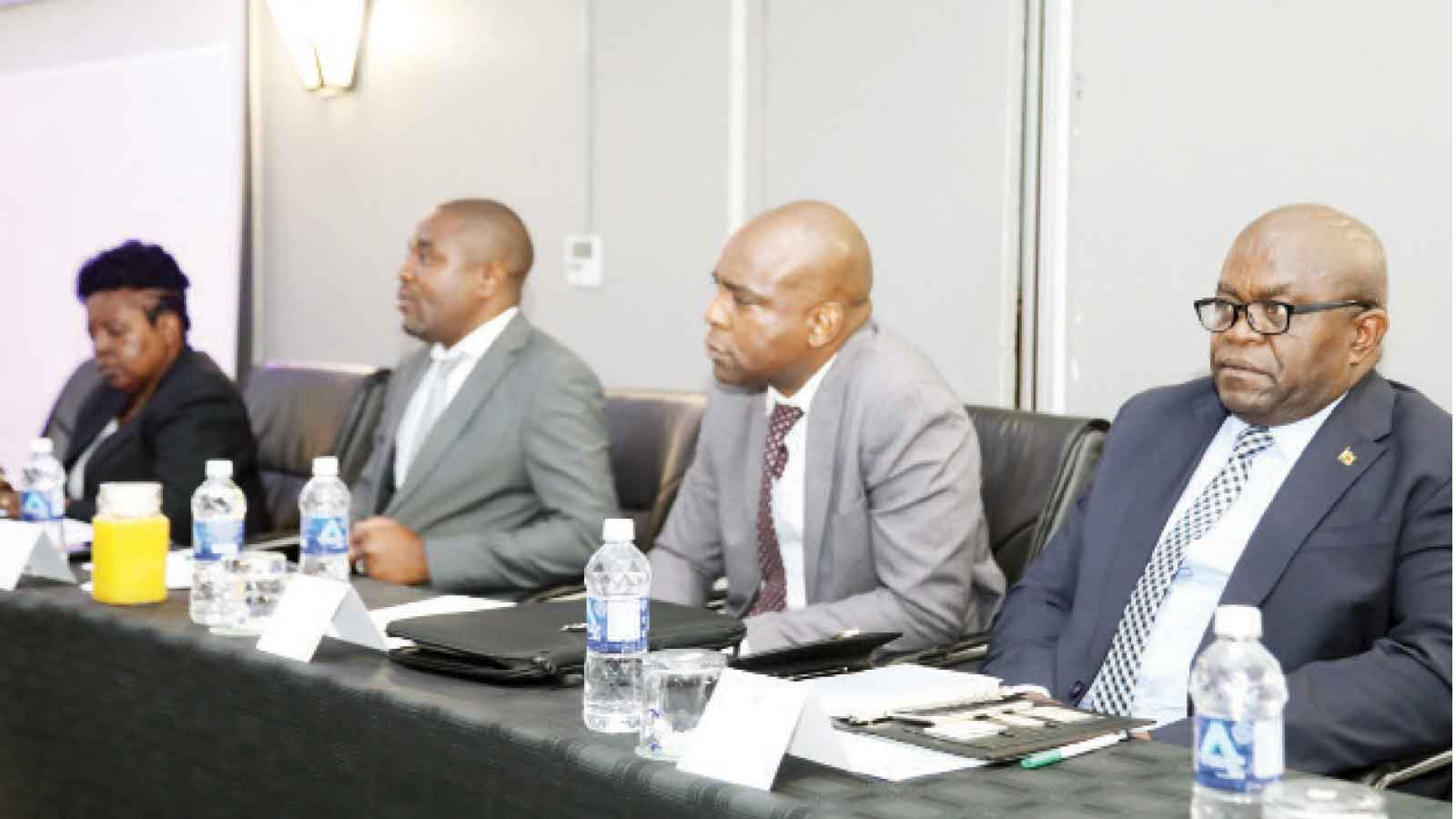
Speaking at a media science café hosted by the Health Communicators Forum yesterday, World Health Organisation technical lead for healthier populations Dr Trevor Kanyowa said the country now needed to focus its responses on these trends.
“We are noticing that the number of older people living with HIV is growing and this is happening not only in Zimbabwe, but also in other countries. This is mainly because we now have effective antiretroviral medicines of high quality and these are enabling people to live healthier and longer lives. We have people who acquired the HIV virus when they were younger, managing to grow into the older age groups living with the virus,” he said.
“The other reason is that while we know that HIV is still being acquired among younger age groups, we have also noticed that the risk of acquiring it in older ages is also increasing. This is because there is a general belief that HIV is for younger people so older people are less likely to use protective measures as compared to the younger age group.”
Dr Kanyowa also said older people who opted to get into new relationships after losing their partners were not making an effort to know their status, hence increasing their chances of acquiring HIV.
Despite the good record that the country has made in identifying people with HIV, getting them on treatment and ensuring that they are virally suppressed, there is need to also focus on co-morbidities that come with HIV among the older population.
“Ageing with HIV presents us with unique challenges in preventing other diseases because both age and HIV heighten the risk of other diseases. Many of the medical problems now faced by people living with HIV are more to do with ageing than with the HIV related illnesses. Some of the health problems experienced by older people appear to happen earlier and faster in people living with HIV,” added Dr Kanyowa.
He said older people were also more likely to face isolation hence they were less likely to seek care or disclose their status for fear of stigma and discrimination.
Zimbabwe HIV and Aids Activist Union Community Trust secretary-general Ms Angeline Chiwetani said there was need for health centres to offer holistic services to people living with HIV.
“It is good that we now have ART. We have grown older and we are still taking the ARVs but other things are coming up. We are getting ART for free but when we get to these public facilities, there is no BP check, no blood sugar checks or any other check. We should be having these services when we go to collect our medication every three months,” she said.
HIV clinician Dr Cleophas Chimbetete concurred that HIV prevention interventions have only been targeting younger people but the new trends called for a different approach to offering care for older people.
“We need to highlight HIV prevention even in elderly patients, so HIV prevention campaigns should include the elderly as well realising that they are at risk of new infections. When we see elderly patients coming to our hospital facilities for whatever medical reason, let’s offer HIV testing because we have noticed a delay in HIV diagnosis because some of the symptoms of HIV infections in this age group mimic old age and they are just dismissed as part of the ageing process,” he said.
He said with the realisation that HIV was a risk factor for other conditions meant that health facilities needed to offer holistic services to ensure that diseases such as cancers, hypertension, diabetes, and mental health issues were detected early.
“We do not want Opportunistic Infections clinics that just look at viral loads without BP machines, or glucometers to test blood sugar. We don’t want healthcare workers who only understand HIV management and not understand our national guidelines in terms of how we manage hypertension, diabetes or screen for common cancers. We are offering free services for HIV clients and this must also mean we offer free treatment where possible for these common non-communicable conditions,” said Dr Chimbetete.



 Online Reporter