admin
admin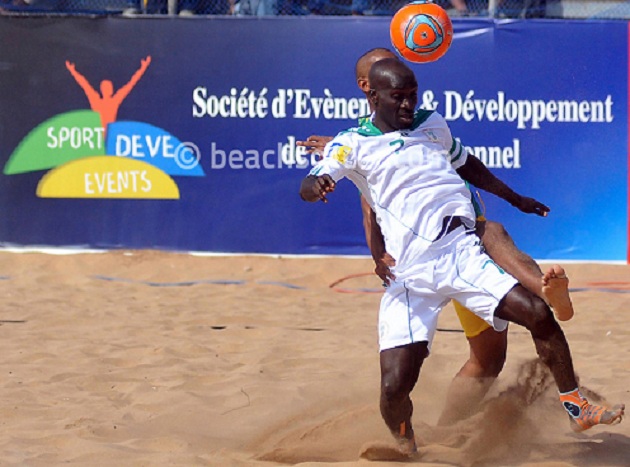

Joseph Musariri
Hello readers. I would like to welcome you to the first of many editorials introducing and detailing the sport of beach soccer. Recently, Zifa conducted elections and endorsed the election of Beach Soccer Zimbabwe board members led by chairman Joseph Musariri with the mandate of introducing, developing and managing beach soccer in the country. The five member board consists of Musariri (chairman), Marshall Jonga (vice-chairman), Mike Mandaza (development), Panganai Hare (administration and finance) and Chris Nhapi (competitions and technical).
This week I walk you through the foundation and history of beach soccer, from the beaches of Brazil’s favellas to Fifa recognition and endorsement by retired stars like Romario and Eric Cantona. We walk through its transition from a fun pastime for retired footballers to World Cup status.
Beach soccer, also known as beach football or beasal, is a variant of association football on some form of sand. The game emphasises skill, agility and shooting at goal.
While football has been played informally on beaches for many years, the introduction of beach soccer was an attempt to codify rules for the game. This was done in 1992 by the founders of Beach Soccer Worldwide, a company set up to develop the sport and responsible for the majority of its tournaments to this day. This was a major foundation for what is now known as beach soccer and what has led to the sport rapidly growing in popularity.
The irregularity of the soft-sand playing surface leads to a totally different style of play than is used in football, with a greater degree of improvisation. The compact field, much smaller than a normal football field, allows players to score from anywhere on the sand, leading to an average of sixty attempts at goal in a single game. With an average of scoring rate of one goal every three or four minutes, around eleven goals are scored in total per game.
Beach soccer (beasal) started in Brazil, more precisely at Leme beach, Rio de Janeiro, and has grown to be an international game. The participation of internationally renowned players such as flamboyant Frenchman Eric Cantona, legendary Spanish strikers Michel Miguel and Julio Salinas and Brazilian stars such as Romário and Zico has helped to expand television coverage to large audiences in over 170 countries worldwide.
Beach soccer had been played recreationally all over the world for many years and in many different formats. In 1992 the laws of the game were envisioned and a pilot event was staged by the founding partners of BSWW in Los Angeles. By 1993, the first professional beach soccer competition was organized at Miami Beach, with teams from the United States, Brazil, Argentina and Italy taking part.
In April 1994 the first event to be covered by network television transmissions was held on Copacabana Beach in Rio de Janeiro and the city hosted the first Beach Soccer World Championship in 1995. The competition was won by the host nation, making Brazil the first ever World Champions of Beach Soccer. The success of the tournament saw commercial interest begin to match developments on the field and growing demand for the sport around the world gave rise to the Pro Beach Soccer Tour in 1996. Next week I introduce you to the laws of the game.
You can email [email protected] for more information about Beach Soccer Zimbabwe.



 Online Reporter