Online Reporter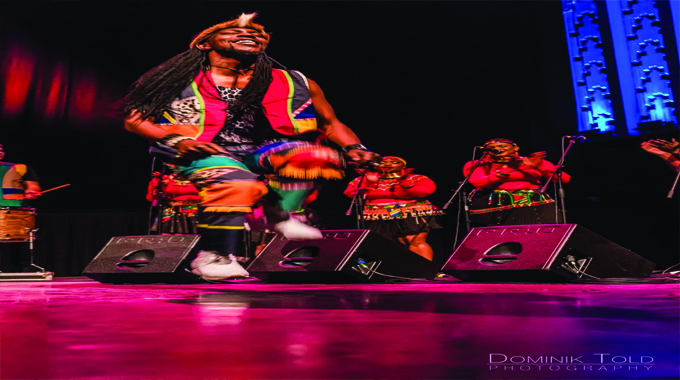
This week’s spotlight is on Thubalenkosi Gumede, a renowned artiste from Bulawayo with over two decades of experience in drama, dance and choreography. With roots in Savuka Community Arts and Siyaya Arts, Gumede has toured internationally and contributed to numerous acclaimed productions.
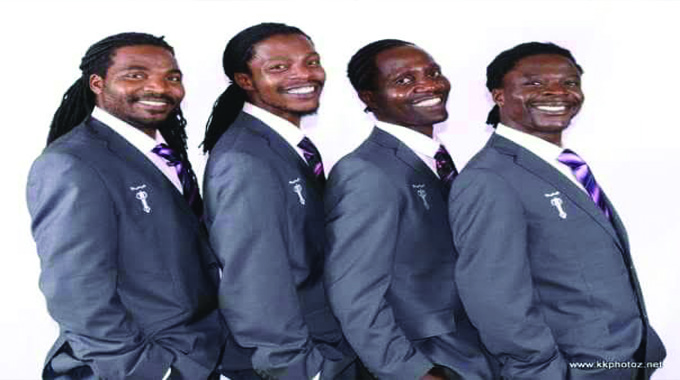
Now based in the UK, he continues to inspire through his work with Shosholoza, a group of Southern African artistes.
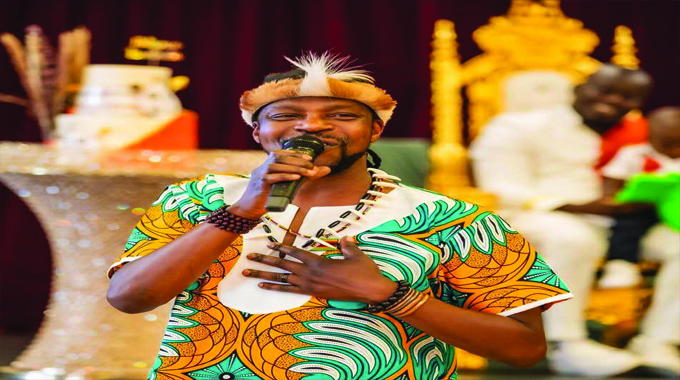
Below is an interview with him:
Q: What sparked your interest in the arts, and how did your journey start?
A: I started engaging in the arts at an early age while still in primary school. At the time, I was part of the school drama club and Savuka Community Arts between 1992 and 1994. Later, I joined Siyaya Arts (then known as Nasa) around 1996/97, where we performed at boarding schools, theatres and community venues.
My inspiration came from groups like Amakhosi Theatre and Young Warriors, who would perform for us at school. They would spend the day teaching us, similar to workshops today. I loved those sessions; they allowed us to express ourselves in music and dance, something we couldn’t really do at home or during regular classes. It made learning fun and built our confidence.
Q: How did your upbringing in Emakhandeni influence your outlook on the arts?
A: Initially, art was just a hobby until I excelled at a competition while at Emakhandeni High School. That day, Mzilikazi High School came first; they were the best in the arts. Their headmaster, Mr Chiromo, ( late Cuthbert Chiromo) offered me a Form Two place on the condition that I’d join the drama club (an opportunity he took up). That was a big opportunity — schools like Mzilikazi and Mpopoma were academically top-tier and hard to get into, especially for someone from Emakhandeni. At Mzilikazi, drama was taken seriously. We had mentors from Amakhosi, like Sihlangu Dlodlo, who prepared us for competitions. This really drew me in deeper. Back then, Makokoba was buzzing with arts, the Township Square had just been built, Amakhosi had just returned from international tours, and we had programmes for guitar, theatre and performance skills. All of that shaped my growth.
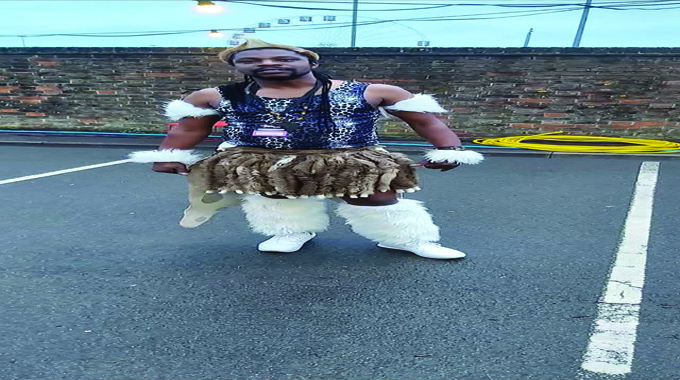
Q: When and how did you join Siyaya?
A: I joined Siyaya after completing my secondary education at Mzilikazi High School. At the time, many of my former schoolmates were already part of Nasa, as Siyaya was known then. I used to watch them rehearse at Stanley Square in Makokoba, which kept me connected to the arts scene. Eventually, I was approached to help develop a traditional production for a tour to Aberdeen. That opportunity marked the beginning of my journey as a full-time member of Siyaya.
Q: Tell us about the productions you worked on, and what inspired them?
A: I worked on many productions. One early and memorable one was UNomathamsanqa le Sangoma with Savuka Community Arts. I was still young, but it inspired me. With Siyaya, things took off artistically. Working on Zambezi Express (Siyaya Arts theatre production) was a formative experience that played a significant role in shaping me as an artist. It gave me the opportunity to collaborate with many talented and creative individuals, which greatly enriched my growth.
Q: How did your role as choreographer for Zambezi Express contribute to its success?
A: At the time, it was one of the most talked-about productions locally and internationally. It combined acrobatics, traditional and contemporary dance, gumboot, voice and acting. After auditions, we spent months on research and rehearsals before travelling to the UK for further training. We showcased the production across the UK and later in Africa. It shaped me immensely as I learnt a lot from working with such talented creatives.
Q: Can you elaborate on your time with Siyaya Arts and touring internationally?
A: Working with Siyaya was a major milestone. My first big challenge was creating a traditional dance production, Dlala MaAfrica, for the Aberdeen Youth Festival.
That marked the start of international touring. Touring helped expand my artistic knowledge. I attended workshops that taught me how to commercialise productions, tell African stories through performance and develop shows that both entertain and educate. I was later appointed production manager and choreographer.
Q: Tell us more about Shosholoza and what inspired its creation.
A: Now based in the UK, I formed the Shosholoza Ensemble with artistes from South Africa, Botswana and Zimbabwe. The goal is to continue sharing African cultural experiences with the world through music and dance.
Q: Looking back, what moments stand out the most in your career?
A: One of the most memorable moments was the première of Zambezi Express, receiving a standing ovation and being interviewed after the show. It validated all the hard work.
Q: How has your journey in the arts shaped your personal growth?
A: It’s taught me how to carry myself with dignity. As an artist, people look up to you, so it’s important to lead by example. It’s helped me become a better person, both on and off the stage.
Q: How do you balance your performances and educational workshops?
A: Balancing is quite manageable. Workshops usually happen during weekdays, while performances are scheduled for weekends, it allows for a healthy rhythm between education and stage work.
Q: How do you hope your work will inspire future generations?
A: My aim is to preserve our culture and share my journey so that young artists believe in their craft. Music and dance can transform lives, just like what happened to me.