Online Reporter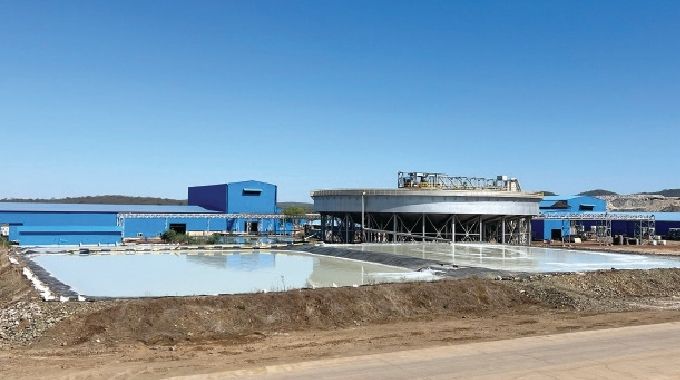
Sukulwenkosi Dube-Matutu [email protected]
MATABELELAND South is steadily strengthening its position as one of Zimbabwe’s most important mining provinces, with new investment at Gwanda Lithium Mine highlighting the growing shift from exporting raw minerals to processing them locally.
Rich in lithium, gold, coal, tantalum, niobium and several other minerals, the province is playing an increasingly important role in Zimbabwe’s drive to build a US$40 billion mining industry by 2030. Central to that goal is a Government policy that encourages mining companies to beneficiate minerals within the country so that more value, jobs and revenue remain in Zimbabwe.
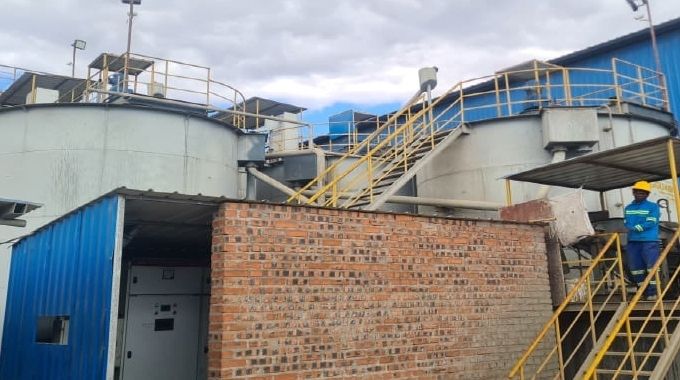
A major step in that direction was announced on Friday when Gwanda Lithium Mine unveiled a US$5 million tantalum and niobium beneficiation plant at its operations.
The new facility will enable the mine to extract three minerals from the same lithium ore concentrate, namely lithium, tantalum and niobium, instead of focusing only on lithium.
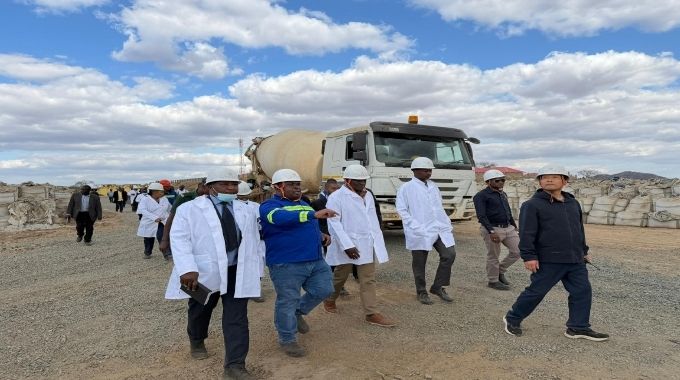
Speaking during a tour of the plant by the Minister of State for Matabeleland South Provincial Affairs and Devolution, Albert Nguluvhe, Gwanda Lithium Mine Public Relations Manager Mr Nickson Kutsaranga said the investment reflected the country’s push towards mineral beneficiation.
Our operations have significantly grown as we are now beneficiating tantalum-niobium as well.
“So from the same lithium raw ore we are now declaring three minerals which are lithium, tantalum and niobium. We have gone further here within the Gwanda Lithium Mine premises to establish another entity which specialises in gold processing under Din Gold group.”
Mr Kutsaranga said the company had invested more than US$115 million in phases one and two of its gold processing project. Combined with the new beneficiation plant, total investment at the mine now exceeds US$120 million.
He said the expansion was designed to support Zimbabwe’s vision of a US$40 billion mining industry while delivering tangible benefits to surrounding communities through employment creation and development initiatives.
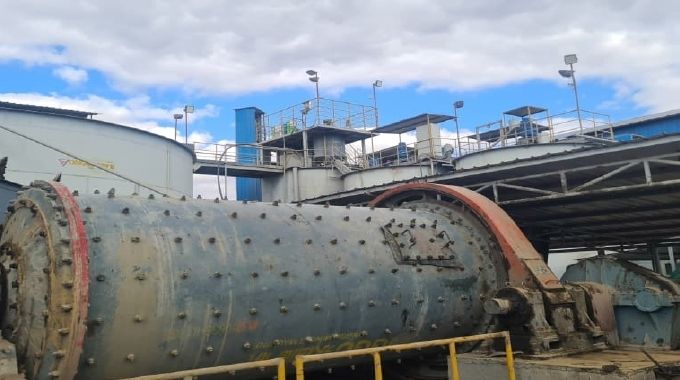
The beneficiation plant is expected to produce about 300 tonnes of tantalite and niobium concentrate each year in addition to lithium products.
The development marks a significant change in operations at the mine. For years, lithium concentrate was exported for processing outside Zimbabwe. With the new plant now in place, more processing will take place locally, creating additional revenue streams and specialised employment opportunities within Matabeleland South.
The mine has also partnered with BBR to move lithium concentrate through the recently established West Nicholson transhipment siding. The arrangement is expected to improve logistics and lower transport costs.
Expansion of operations has already resulted in substantial job creation.
Gwanda Lithium Mine employs more than 800 people across its lithium and gold operations, with management expecting employment numbers to increase as beneficiation activities grow.
Mr Kutsaranga said the company remained committed to expanding its operations while working closely with Government and local communities.
“Our target is to ensure that we contribute to Zimbabwe’s target of building a US$40 billion mining economy by 2030 while at the same time empowering communities,” he said.
Information, Publicity and Broadcasting Services Deputy Minister and Gwanda South legislator Dr Omphile Marupi described the ability to extract additional minerals from the same ore as a major achievement.
“The separation and extraction of three extra minerals from what we initially knew is an extra for us. Employment of plus 800 workers is a good development to our community. These are the kind of investment projects that we want to see as a nation as we want growth and progress.”
Dr Marupi said Government wanted the mining sector to move beyond simply extracting and exporting minerals, and instead focus on processing, beneficiation and manufacturing within the country.
According to him, such an approach ensures that communities hosting mining operations benefit through jobs, skills transfer and improved livelihoods.
Minister Nguluvhe said the developments at Gwanda Lithium Mine demonstrated investor confidence in Zimbabwe’s economy.
“This shows that the investor has confidence with what is happening in Zimbabwe and the business environment that the country has. The Second Republic has said the country is open for business and has also created a conducive environment for investors, and the work we see here is part of the results of this policy,” he said.
The Minister challenged mining companies to complement their investments with meaningful corporate social responsibility programmes that support infrastructure development, skills training and community empowerment.
He said mining investments should benefit the investor, Government and local communities alike, in line with the principles of devolution.
The latest investment comes as Zimbabwe continues to strengthen its value-addition drive. Earlier this year, Government announced the suspension of exports of lithium concentrates and other raw minerals, requiring mining firms to increase processing within the country.
For Matabeleland South, the establishment of beneficiation facilities such as the one at Gwanda
Lithium Mine represents more than industrial growth. It signals a shift towards a mining sector that creates jobs, develops skills, retains more wealth locally and contributes to long-term economic development.