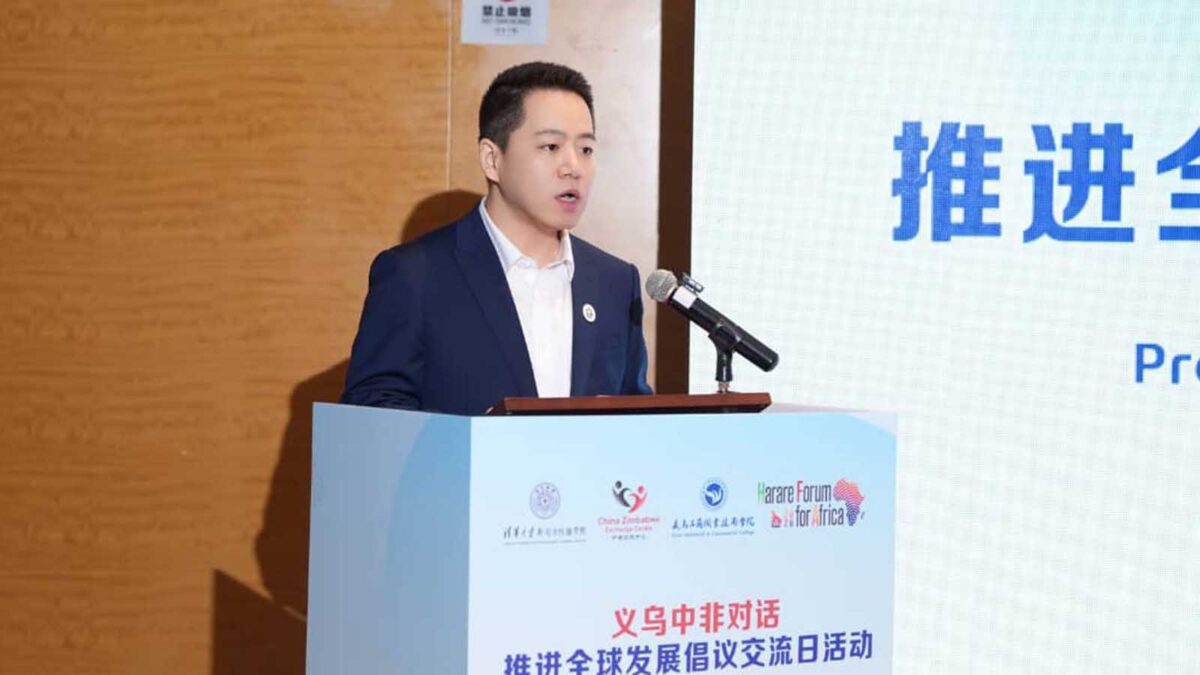
Kuda Bwititi in YIWU, China
Zimbabwean traders and entrepreneurs have been urged to take advantage of Yiwu City’s extensive trading network and China’s zero-tariff policy to expand business opportunities between the two countries.
Yiwu City Vice Mayor, Mr Tang Tang, said the Chinese commercial hub was ready to support African businesses through flexible trade arrangements, skills development and improved access to international markets.
Speaking at the Yiwu China-Africa Dialogue Forum in Zhejiang Province on Saturday, Mr Tang said the city’s market procurement trade model allowed traders to source products from multiple suppliers, consolidate small orders into single containers and ship them overseas under one customs declaration.
This presents opportunities for Zimbabwean entrepreneurs seeking to import goods from China or establish trading operations that connect local markets with Yiwu’s extensive supply chains.
“Whatever Africa needs, Yiwu has it,” said Mr Tang, quoting Nigerien businessman Izzidhine, who has operated in the city for 15 years and ships more than 300 containers annually to 16 African countries.
Yiwu has more than 2,1 million varieties of products, making it an important sourcing centre for African traders who may not have the capacity to purchase large quantities from individual manufacturers.
Mr Tang said the city was positioning itself as a gateway for African exports into China, particularly following the implementation of zero-tariff treatment for imports from 53 African countries with diplomatic relations with Beijing from May 1 this year.
Zimbabwe is one of the countries benefiting from the policy.
Mr Tang said Yiwu Port had processed 665 customs declarations benefiting from the preferential arrangement, resulting in tariff savings of 145 million yuan.
One company importing 7 000 tonnes of nuts from South Africa saved approximately 30 million yuan in tariffs.
For Zimbabwe, the arrangement presents opportunities for horticultural producers and exporters dealing in products such as blueberries, avocados, citrus fruits and macadamia nuts to explore the Chinese market.
Mr Tang said Yiwu was prepared to support the expansion of China-Africa trade through overseas warehouses, satellite markets and vocational skills testing centres across Africa.
He also highlighted opportunities for African entrepreneurs to acquire practical business skills, including product selection, quality inspection, customs clearance and e-commerce.
The city has already trained more than 5 000 participants through programmes delivered across North Africa.
Mr Tang cited the example of Senegalese businessman Soura, who returned home after years in Yiwu and established the country’s first ride-hailing company using 100 new-energy vehicles purchased from China, creating hundreds of jobs.
In the first nine months of this year, Yiwu’s exports to Africa approached 140 billion yuan, representing growth of more than 30 percent, while imports from the continent reached nearly 14 billion yuan, up by more than 100 percent.
Mr Tang said Yiwu was keen to translate the growing trade relationship into practical partnerships and encouraged African businesses to participate in its commercial ecosystem.
He said the city would also work with African partners to turn opportunities created by zero-tariff arrangements into concrete economic and trade projects.
In his remarks at the dialogue, Southern Africa Research and Documentation Centre executive director, Mr Joseph Ngwawi, said trade in small commodities supports millions of livelihoods in the SADC region.