Chronicle Editor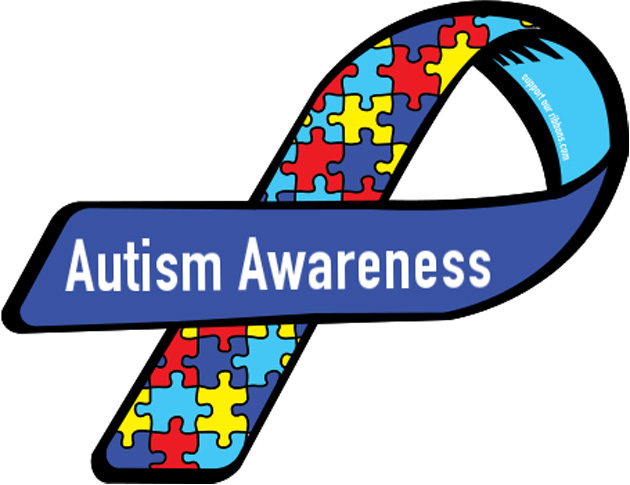
Michelle Moyo, [email protected]
A Bulawayo-based organisation — Autism Awareness (AA) — has launched a sensitisation programme to equip the Bulawayo community with the skills to identify children on the Autism Spectrum.
Autism Spectrum Disorder (ASD) is a developmental disability arising from neurological variations. It can significantly impact social interaction, communication and behaviour.
ASD manifests uniquely in each individual, and children may exhibit a range of characteristics.
Unfortunately, these learners are often misconstrued as lacking intelligence.
In an interview with Saturday Chronicle, the AA manager Takudzwa Mushove said their goal is to raise awareness about ASD.
“We were inspired to focus on autism because we noted that autism in Zimbabwe is not widely known and there are myths and misconceptions surrounding Autism.
“We also saw how parents and caregivers of autistic children are struggling to find support for their children like healthcare, education and all. In addition, we are also community development leaders and we feel it is our duty to be active youths and play our part in civic leadership.
“As a team, our main objectives are to raise awareness on ASD, curb and eradicate myths and misconceptions surrounding ASD, promote inclusion of people with ASD and provide psychosocial support, networking and entertainment space to people with ASD,” he said.
Founded by Precious Xeshelihle Moyo, AA aims to work with various organisations that advocate for the inclusion of people with ASD.
“We will hold awareness campaigns nationwide, conduct workshops and we are working with local radio stations and media platforms like ZBC, Skyz Metro FM, and Chronicle among many other media houses to raise awareness. Moreover, we also distribute pamphlets on Autism to members of the public so they can learn about awareness and acceptance of ASD.
“We lack funding to conduct workshops as per our action plan and our goals. The aim is to reach all parts of the country including remote areas to raise awareness and acceptance of autism.
“Another challenge faced is getting hold of other stakeholders to be part of the initiative. For example, we need to engage specialists like doctors, nurses, teachers and also parents of children with ASD.”
Mushove revealed that acceptance within families remains a hurdle.
Some parents struggle to embrace their autistic loved ones, and this social stigma discourages them from attending awareness events.
“We have a few parents of children with autism coming forward and seeking help on how to take care of their autistic children. We normally refer them to the necessary people who can help. Also during our awareness campaigns we normally have professional people like doctors who educate parents and the community on autism and also on how we can cope and accept autistic members of the society.
“In addition stigma and discrimination associated with ASD causes hopelessness to people with ASD, parents and guardians of children with autism. It also makes parents ‘hide’ their children from the public,” he said.
Mushove urged society to learn more about ASD and embrace the unique strengths of autistic individuals. He also called on professionals and anyone knowledgeable about ASD to join their volunteer team and help raise awareness.
“To ensure the programme’s success, AA also appreciates your support through funding and collaboration as well. We have so far had an Autism Awareness Day Event which was held at the Joshua Nkomo Museum on April 2, 2024, which was World Autism Awareness Day.
“On that day we decided to invite various stakeholders including children with autism, parents and caregivers of children with ASD, doctors, psychologists, teachers, nurses, community leaders and members of the public. The aim was to give a platform to people with ASD to socialise with one another, network and gain more information on Autism,” said Mushove.
AA has a nationwide expansion plan to provide support and resources for children with autism across the country. — @Lo7246Lovelyn


 Online Reporter