Rumbidzayi Zinyuke
Health Buzz
I remember a close relative used to complain a lot about persistent bloating and occasional pain in her lower abdomen. Sometimes she would dismiss it as menstrual discomfort, while at other times she blamed it on something she had eaten.
Like many women, she did not immediately think the symptoms could be something more sinister.
It was only after the symptoms became unbearable that she sought medical attention and discovered that ovarian cysts were behind some of the discomfort she had been experiencing.
Lucky for her, she got treatment and has since recovered well.
But her experience is not an isolated case. It reflects the reality for many women who live with unexplained abdominal pain, irregular periods or persistent bloating, often unaware that their ovaries could be the source of the problem.
Ovarian cysts are common, yet many women may have them without knowing it. While most are harmless and disappear without treatment, others can grow, cause complications or require surgery. Recognising the warning signs and seeking medical attention early can make an important difference.
The ovaries, two small reproductive organs on either side of the uterus, release eggs during the menstrual cycle and produce hormones such as oestrogen and progesterone.
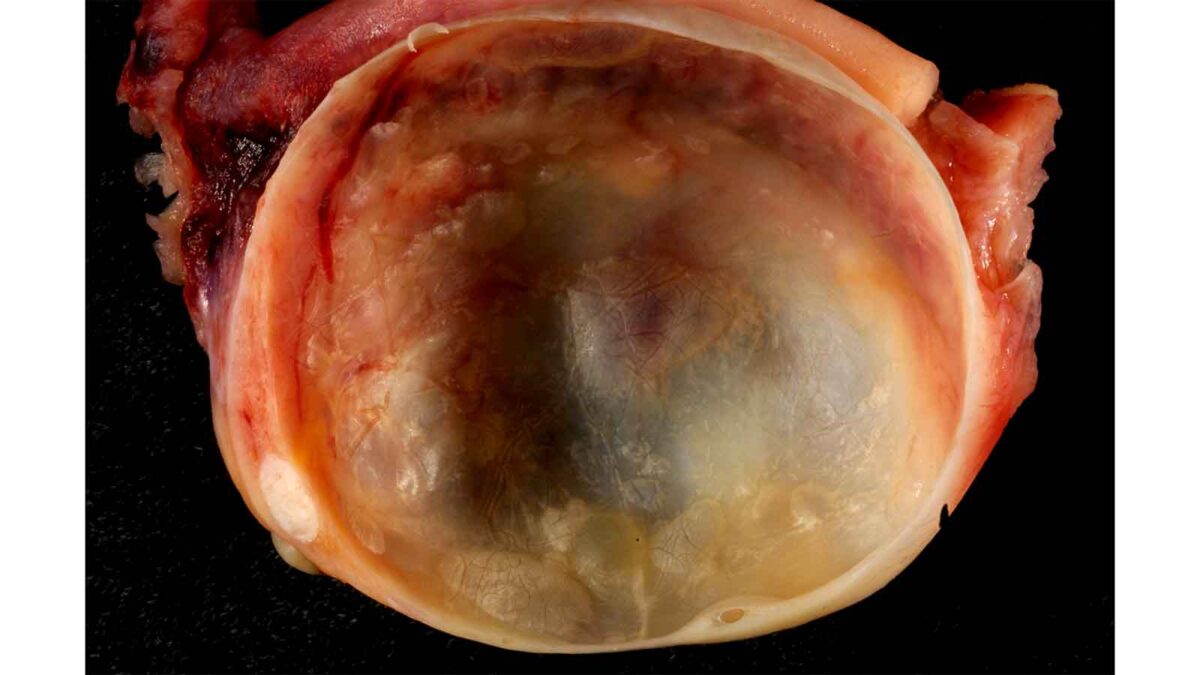
An ovarian cyst is a fluid-filled sac that develops on or inside an ovary. Its presence does not automatically mean cancer or that a woman will have difficulties conceiving.
According to experts, the most common ovarian cysts are functional cysts, which develop during the normal menstrual cycle. Each month, an egg grows inside a small sac called a follicle. Sometimes the follicle fails to release the egg or close properly afterwards, allowing fluid to accumulate and form a cyst.
These cysts are generally harmless and often disappear within one to three menstrual cycles without treatment.
Other types include dermoid cysts, which may contain tissues such as hair and fat, cystadenomas, which develop on the ovarian surface and can grow quite large, and endometriomas, which are associated with endometriosis.
Ovarian cysts are particularly common among women of reproductive age, although they can also occur in younger girls and women who have reached menopause.
The Royal College of Obstetricians and Gynaecologists notes that up to one in 10 women may require surgery for an ovarian cyst at some point in their lives. This does not mean that one in 10 women will develop cancer, as most cysts are benign.
In Zimbabwe, the full extent of the condition remains difficult to establish because of limited data on ovarian cysts.
Most ovarian cysts are not cancerous, but distinguishing harmless growths from potentially dangerous ones requires medical assessment.
When symptoms should not be ignored
One of the biggest challenges with ovarian cysts is that they can develop without obvious symptoms. Some women only discover them during an ultrasound scan or pelvic examination conducted for another reason.
When symptoms occur, they may include persistent pelvic or lower abdominal pain, bloating, a swollen abdomen, painful menstruation, pain during sexual intercourse and frequent urination.
Some women may also experience changes in their menstrual cycle, difficulty emptying their bowels or feeling full after eating small amounts.
Because these symptoms can resemble digestive problems, urinary tract infections or ordinary menstrual discomfort, they are sometimes overlooked.
Occasional bloating or abdominal pain does not necessarily indicate an ovarian cyst. However, symptoms that persist, recur or become progressively worse should be investigated.
Health experts say complications can arise when a cyst grows or ruptures. A large cyst may cause ovarian torsion, a condition in which the ovary twists and its blood supply is cut off. This is a medical emergency that can result in damage to the ovary if treatment is delayed.
A ruptured cyst can also cause internal bleeding and sudden, severe abdominal pain.
Sudden pelvic pain accompanied by nausea, vomiting, dizziness or weakness requires urgent medical attention.
Women who have reached menopause also need careful assessment of newly identified ovarian cysts because the risk of ovarian malignancy increases with age.
However, discovering an ovarian cyst does not automatically mean undergoing an operation.
Treatment depends on the woman’s age, symptoms and the characteristics of the cyst.
Small, simple cysts that appear harmless may only require monitoring through follow-up ultrasound scans to establish whether they are shrinking or disappearing.
Larger, persistent, painful or suspicious cysts may require surgery. Where possible, doctors can remove the cyst while preserving the ovary, particularly for women who wish to have children.
In most cases, ovarian cysts do not prevent pregnancy. However, underlying conditions such as endometriosis can affect fertility, making proper diagnosis and individualised treatment important.
Beyond the medical challenges, ovarian cysts expose a wider problem surrounding conversations about women’s reproductive health.
Menstrual pain, changes in periods and pelvic discomfort are often normalised, with some women enduring symptoms for months without seeking medical attention.
For younger women, embarrassment or fear of medical examinations may discourage them from visiting health facilities. Others rely on painkillers to manage recurring discomfort without investigating its cause.
It is, therefore, important for the country to improve access to affordable ultrasound services, specialist gynaecological care and appropriate follow-up.
Equally critical is ensuring women have accurate information about their reproductive health and are encouraged to seek medical attention when something changes.
Ovarian cysts are common, and most are not a reason for panic. But persistent symptoms should not simply be accepted as part of being a woman.
Sometimes, the difference between a condition that requires simple monitoring and one that needs urgent treatment lies in how early a woman seeks help.
Feedback: [email protected]