

 admin
admin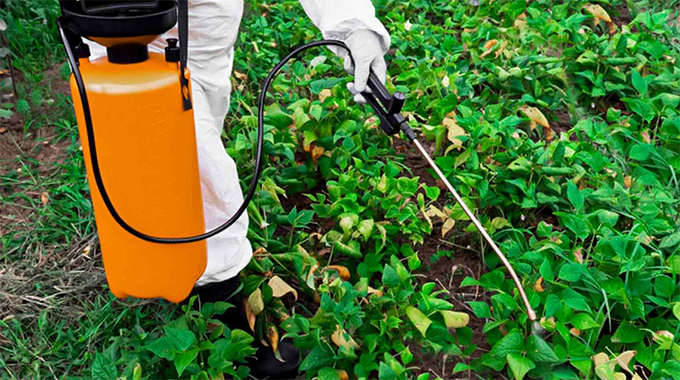
Precious Manomano
WITH efforts to equip farmers with requisite farming knowledge and skills gaining momentum by the day, over 543 000 farmers have received training on different ways of controlling weeds in a move meant to upscale production.
Between 50 and 80 percent of potential maize yield is lost if farmers fail to effectively control weeds among in the first 10 to 12 weeks after germination.
The Government has since moved to protect farmers against such losses through the introduction of the training programme on weed control, which saw 543 864 farmers receiving skills on improving weed management and enhancing crop productivity. They also learnt to generate technologies that can be integrated into production practices for smallholder farmers to suppress weeds.
Controlling weeds in forage crop production may involve a wide range of techniques that include cultural, mechanical, biological and chemical.
Weeds are known to greatly retard crop growth as they compete for nutrients, light and water with plants making it crucial for farmers to remove them early and keep crops weed-free during their period of growth.
The Agricultural Advisory and Rural Development Services (AARDS) weekly update dated February 6 revealed that the 543 864 trained farmers in all the provinces comprised 292 765 women against 251 099 men.
Mashonaland Central boasts the highest number of trained farmers 138 142 followed by Manicaland with 122 854 and Mashonaland East on 95 966.
Former Zimbabwe National Farmers Union (ZNFU) vice president Mr Edward Dune said the programme was a positive development, which would ensure that weeds were totally eliminated making way for a good harvest.
“Weeds are notorious. Any delay in weed eradication will result in low yields. This is a positive move but we appeal for a resource back up package of herbicides so that farmers can procure them,” he said.
Sitting ZNFU president Mrs Monica Chinamasa said there was need to mobilise farmers to ensure they got training and acquired skills to sustain and improve the agriculture sector.
Weeds are most likely to sprout and outdo crops in the fight for growing space and uptake of nutrients in the face of the persistent rains being experienced countrywide.
They aggressively compete for water, nutrients and sunlight resulting in reduced crop yield and poor crop quality. They can also affect the operation of farm machinery and push farmers to spend large amounts of time and money managing them. Yellowing of leaves is one sure sign that crops are losing the battle to weeds and this will eventually translate into compromised yields, as most of the vital nutrients would have been shared between the crop and the weeds. The incessant rains may make it difficult for the farmer to contain weeds but there are always ways of minimising the damage they may cause on crops.
Farmers can also control the weeds mechanically by using methods that kill or suppress them through physical disruptions such as pulling, digging, disking, ploughing or mowing them. The success of various mechanical control methods is dependent on the life cycle of the target weed species.
Hand pulling and digging are effective on annual and biennial species and as they remove the weeds, farmers need to make sure they remove the upper five to eight centimetres of the tap-root to prevent re-growth.



 Online Reporter