Online Reporter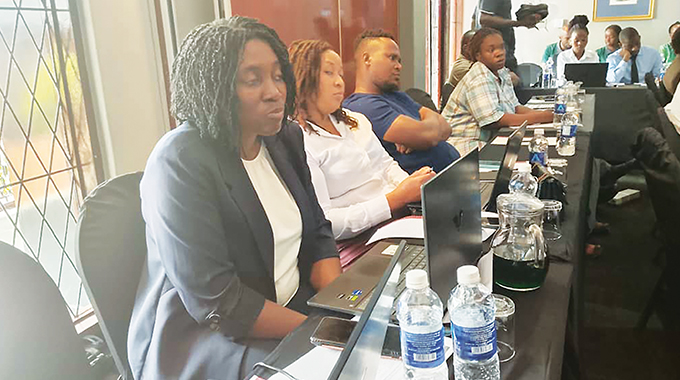
Sikhumbuzo Moyo, [email protected]
MORE than half of Bulawayo’s industries are failing to meet trade effluent discharge standards, raising renewed concern over the city’s worsening water and sanitation challenges.
Speaking at a Trade Effluent and Water Recycling Indaba hosted by Bulawayo City Council on Wednesday, the head of the water and sanitation directorate, Engineer Kwanele Sibanda, said industrial effluent continued to place severe strain on the city’s ageing sewer infrastructure.
“We have various categories of industries in the city, and when we assess compliance levels, more than half are not fully compliant with trade effluent discharge standards. Non-compliant discharges are degrading mechanical components at pump stations and wastewater treatment plants, reducing system efficiency and increasing maintenance costs,” she said.

Bulawayo’s sewage treatment plants are already performing below optimal capacity, a situation worsened by ageing sewer lines and intermittent water supply. According to Engineer Sibanda, improving compliance is vital if the city is to realise its goal of recycling treated wastewater for industrial use and irrigating green spaces.
Government has urged businesses to invest in on-site effluent treatment plants to curb the discharge of untreated industrial waste into the municipal sewer system.
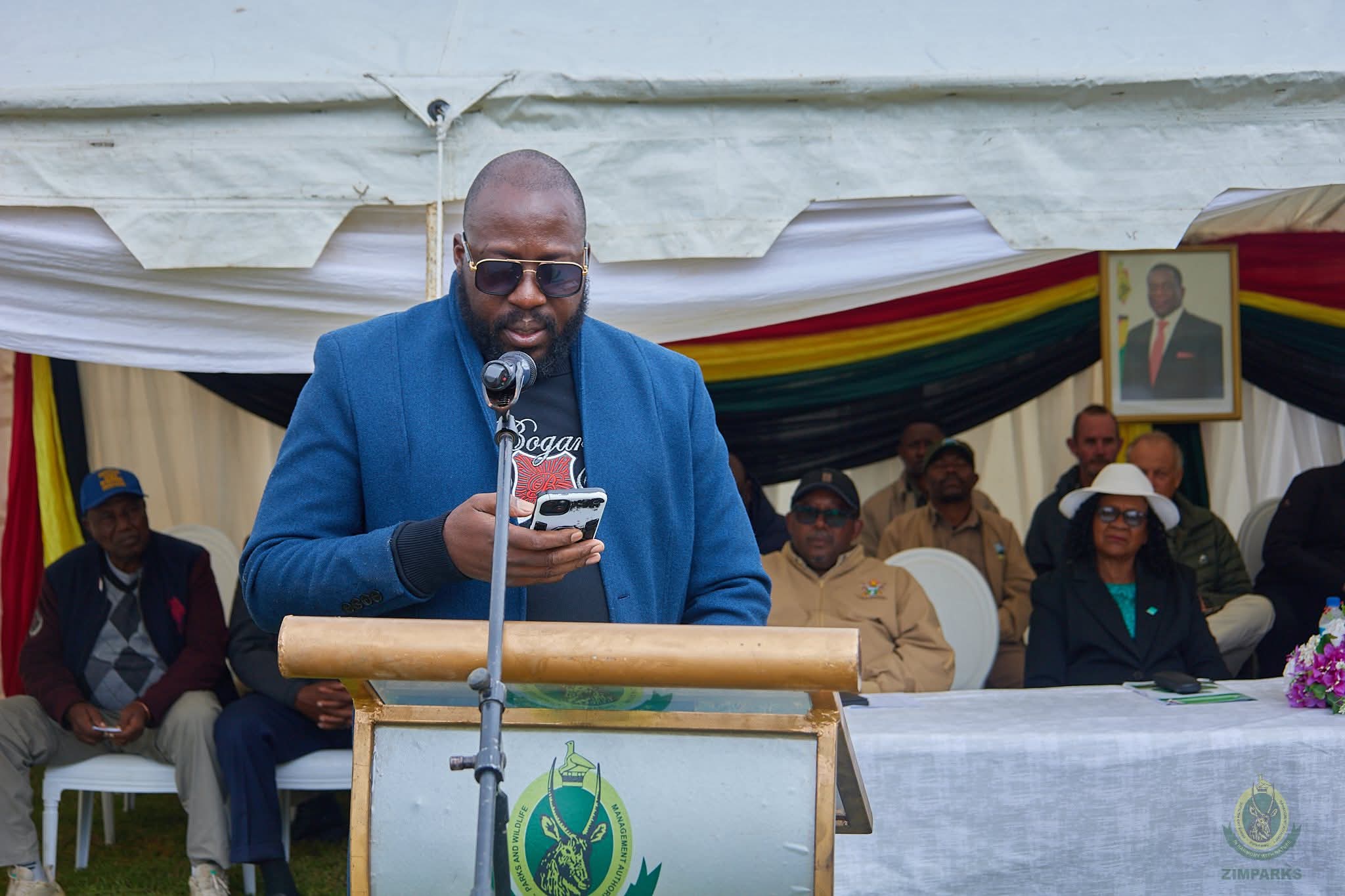
Addressing delegates at the same Indaba, Bulawayo Minister of State for Provincial Affairs and Devolution, Cde Judith Ncube — in a speech delivered on her behalf by Mrs Norah Mupaza, Deputy Director of Environmental Planning and Environmental Management — stressed the importance of the “Polluter Pays Principle” and the need for collaboration between industry, Government and the community.
“The Government of Zimbabwe, through the Environmental Management Agency, plays a central role in overseeing wastewater management, licensing, and enforcing national effluent discharge standards. To manage trade effluent effectively, businesses in Bulawayo should invest in compliant on-site treatment plants, reducing the discharge of untreated effluent into the city’s ageing sewer system,” Minister Ncube said.

She also called for policy incentives, including tax rebates and import duty exemptions for industries adopting water recycling and effluent treatment technologies. She noted that sustainable industrial growth is vital if Bulawayo is to reclaim its industrial stature while safeguarding the environment.
Minister Ncube added that the Environmental Management Agency (EMA) plays a central role in enforcing effluent standards, and highlighted that Bulawayo has previously faced penalties due to untreated effluent discharged from its ageing system. She said resolving this required close co-ordination between her office, EMA and the City of Bulawayo.
“While we continue to enforce environmental laws, Government is committed to transitioning from purely punitive measures to incentivising the circular economy,” said Minister Ncube.
She said the Indaba offered an opportunity to explore policy frameworks that ease the burden on industry by offering tax rebates and duty exemptions for those investing in water recycling and effluent management technologies.

The event, attended by industry players, policymakers and technical experts, served as a platform to share knowledge and strategies for improving effluent compliance and advancing sustainable water resource management.
Bulawayo Mayor Councillor David Coltart called for a “multi-layered” approach to addressing the city’s raw water shortages, treated water delivery challenges and failing sewage processing systems.
“Our city is facing a crisis — not a minor challenge, not a temporary inconvenience — but a multi-layered crisis that strikes at the very foundation of our existence,” he said.
Clr Coltart warned that 46 percent of purified water is classified as non-revenue water, meaning nearly half of the treated water is lost through leaks, theft or inefficiencies. He also revealed that the city’s eight sewage treatment plants are functioning at less than 20 percent capacity, while pollution at Umguza Dam — caused by untreated sewage — poses serious environmental and public health risks. He added that illegal gold mining activities have worsened contamination, with mercury and other harmful substances entering river systems.
“Without inflows, there is no water to treat, without water to treat, there is no recycling, and without recycling, there is no sustainability,” said Cllr Coltart.
He underscored the urgent need for full industry compliance and holistic water management solutions.
The Trade Effluent and Water Recycling Indaba made clear that Bulawayo’s future water security hinges on immediate, co-ordinated action by both Government and industry to enforce compliance, invest in treatment infrastructure and adopt sustainable water recycling practices.