Has the insatiable desire to become the next trending sensation on social media given rise to overnight celebrities whose fame fades almost as quickly as it emerges?
Are we condemned to live in an era where some entertainers mistake eccentricity, controversy and outrageous behaviour for celebrity status?
And can personalities who rely on one popular joke, dance routine, catchphrase or controversial incident to sustain their fame be taken seriously when they make little effort to develop fresh content?
These questions have become increasingly relevant as Zimbabwe’s social media landscape continues to produce a new crop of celebrities whose popularity often hinges on fleeting online attention.
Compounding the problem is the growing appetite among emerging businesses to engage these personalities as brand ambassadors, while some bloggers and podcasters continue to give them considerable airtime and online exposure.
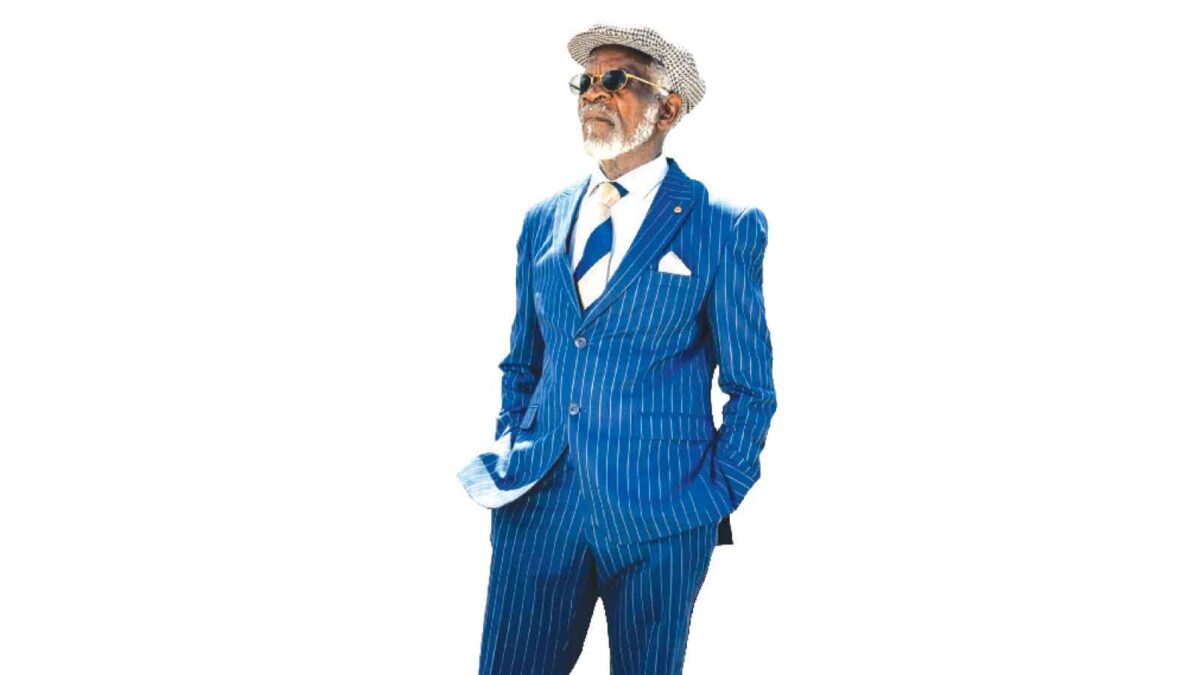
Names that immediately come to mind include Mwendaz Wedrip, born Campion Tichaona Jani in 1938, an octogenarian who once made headlines for his social media humour.
In a relatively short space of time, he rose to fame, featuring at lavish parties and turning heads with his trendy outfits.
Some reputable boutique owners reportedly jostled to secure his services as a brand ambassador. However, his appeal appears to have waned.
At one point, it was “Mwendaz Wedrip” everywhere, but the initial excitement eventually fizzled out.
Then there is Gogo Lady, real name Abigail Magomo, an opaque beer enthusiast in her late 60s who became a social media sensation largely because of her love for the traditional brew.
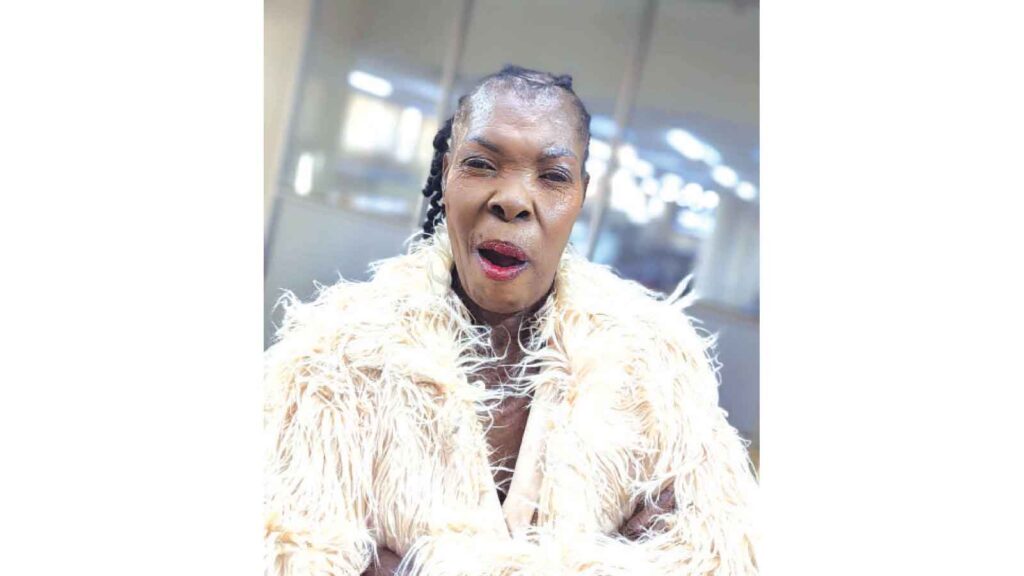
Such was her popularity that she was once reportedly considered for a brand ambassadorial role with Nyathi opaque beer brand.
However, much of the content surrounding her revolved around promoting alcohol consumption, questionable humour and soliciting freebies from well-wishers.
This appears to be part of a growing trend on social media, where personalities with little creative substance continue to receive disproportionate attention simply because they attract online traffic.
Around the same time last year, content creator Bybit Ruza, popularly known as Bybit, was also on everyone’s lips.
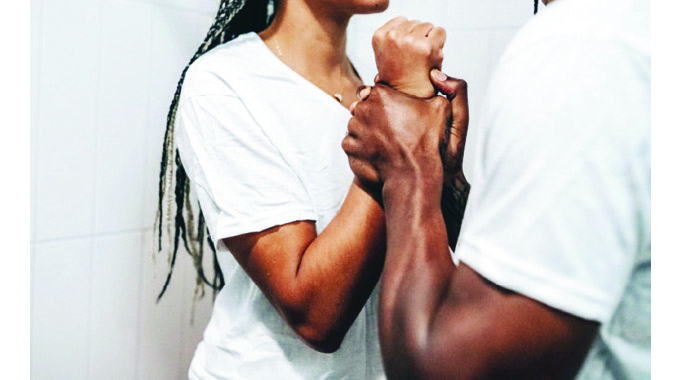
Her sudden rise to prominence followed the circulation of an old video showing her standing up to a school bully.
The 2022 clip, reportedly filmed in Bindura, Mashonaland Central, showed her calmly resisting and eventually winning a physical altercation against another young woman identified as Precious.
Within a short space of time, Bybit became a household name on social media, with established content creators, including Mai Rassie, mobilising resources to help her return to school.
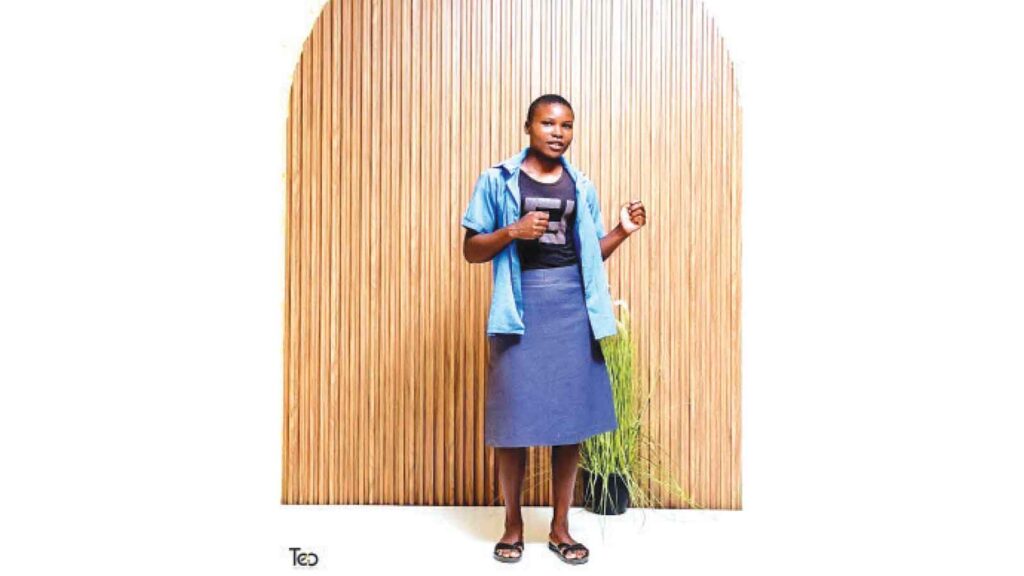
Driving schools competed to enrol her, but the narrative took an unexpected turn when reports emerged that she was married.
She eventually abandoned the limelight and returned to her rural home, leaving many who had invested in her newfound popularity wondering what had gone wrong.
There are many other examples, and the latest personality attracting online attention is Madzibaba DVD, whose brand of humour has also raised questions about the quality of content being celebrated.
Born Christopher Guzha, Madzibaba DVD has made headlines following reports that he was appointed brand ambassador for Vision Craft Construction, a company whose core business is brick-and-mortar manufacturing.
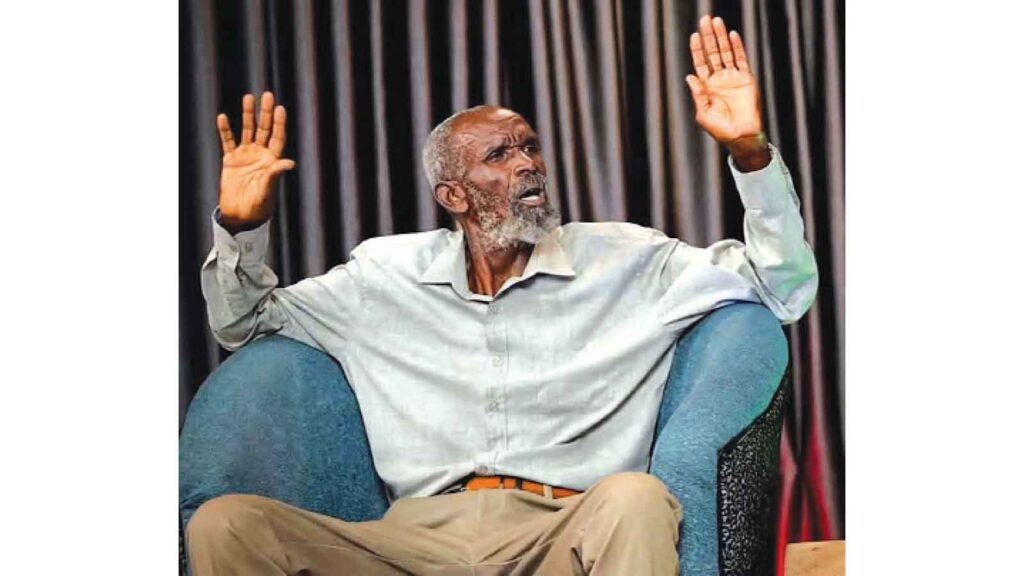
It is unfortunate that some emerging entrepreneurs appear easily swayed by fleeting social media popularity when making brand ambassadorial appointments.
This raises questions about the criteria businesses use when selecting personalities to represent their brands and whether online popularity should automatically translate into commercial credibility.
To be honest, social media and content creation appear to be increasingly losing their creative value, with audiences being bombarded by repetitive jokes, recycled material and personalities whose fame is built largely on controversy.
Perhaps it is time to have an honest conversation about the sudden rise of Zimbabwe’s new crop of celebrities, particularly comedians and social media personalities, whose popularity is proving to be a double-edged sword.
Closer to home in Limpopo, South Africa, gambler-turned-socialite Skomota (real name Thabang Safala) rose to fame for his high-energy dance moves, viral social media presence and life-changing R3 million lottery win.

He quickly caught the attention of the showbiz scene, featuring in several videos, including one by Makhadzi.
However, his fortunes took a downturn due to financial mismanagement, and he is now back in Limpopo, leading a modest life away from the public spotlight.
Experts who spoke to The Herald on Saturday Lifestyle believe the rise of overnight celebrities and the sustainability of their online fame deserve closer examination.
“Some of the things we call content, or the people we regard as celebrities, are far from that, and we need to rethink what we are doing,” said one local content creator.
“We cannot continue like this if we are a serious nation. We are going nowhere, and this trend has to be stopped forthwith.”
With the trend attracting even the elderly, established content creators believe proper training is necessary.
They argue that content creation is not for everyone, adding that those genuinely committed to bringing sanity to the creative community are often overlooked and denied the recognition they deserve.
The recent death and burial of provincial hero William “Gweshegweshe” Matenga reignited this debate.
“I might belong to an older generation of actors, but I am fully aware of the harsh treatment celebrities receive on social media,” Mai Jilimba told Zimpapers Arts and Entertainment Hub.
“Actors from our generation, including the likes of Gweshegweshe, were trained and were primarily concerned with shaping society through their performances.
“We were more concerned about quality productions and delivering messages with substance, unlike what is happening these days, when some people seem more interested in spreading hate.
“Nowadays, the new breed of attention-seeking socialites is mainly concerned about numbers rather than the quality of their productions.”
Mai Jilimba credited her family’s unwavering support for helping her weather online abuse.
“To be honest, social media is like one big jungle filled with lunatics, laggards and mischievous people,” she said.
The National Arts Council of Zimbabwe (NACZ) has been doing its best to promote professionalism in the creative sector.
In recent weeks, the Napoleon Nyanhi-led council has intensified efforts to restore order and professionalism in the industry.
However, social media skits continue to pose challenges, with permanent solutions seemingly far from being found.
While social media has opened doors for previously unknown entertainers to enjoy instant recognition, sustaining that popularity is proving increasingly difficult.
For some, the initial excitement is giving way to creative exhaustion, repetitive content and dwindling audience interest.
Further research suggests that the pressure to remain relevant has worsened the situation, with some personalities feeling compelled to stay in the public eye by constantly creating content, making appearances and courting attention to avoid being forgotten.
Social media can make someone famous overnight, but achieving lasting celebrity status requires discipline, consistency, professionalism and a sound understanding of the entertainment business.
Zimbabwean audiences are constantly exposed to new entertainers, and keeping them entertained requires innovation, something that can prove difficult for personalities who lack creative direction.
Confusing controversy with talent has contributed to the debate surrounding the quality of content being produced.
While people’s tastes differ, it is high time locals were educated on what constitutes quality content and what does not.
Of course, social media is not for everybody, but it is never too late for people to learn to distinguish between what is good and what is not.