Chronicle Editor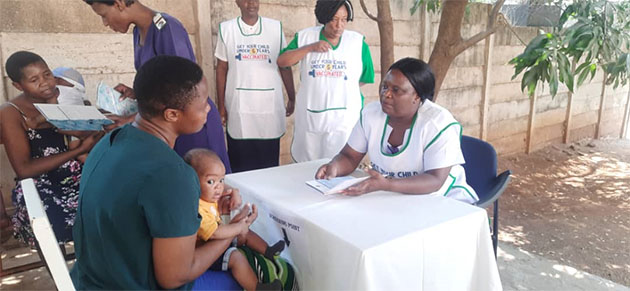
Michelle Moyo, [email protected]
THE Ministry of Health and Child Care in Zimbabwe has confirmed the presence of a type 2 (cVDPV) circulating poliovirus variant in sewage samples collected from certain areas in Bulawayo.
The variant occurs when the weakened live virus in the oral polio vaccine mutates and spreads in the community. The detection of these viruses indicates a polio outbreak in the country.
Polio is a viral disease that can be prevented through vaccination but has no cure. The virus invades the nervous system and can cause total paralysis within hours, particularly among children under five years old. It is transmitted from person to person mainly through contaminated hands, water, or food by fecal matter.
In a statement on the ‘Detection of a Circulating Poliovirus Variant in Zimbabwe and the Rollout of Emergency Response Polio Vaccination,’ the Deputy Minister of Health and Child Care, Suleiman Timiod Kwidini said: “The virus that was detected in these occasions is a rare type of poliovirus that can occur when the weakened live virus in the oral polio vaccine (OPV) mutates over time and becomes able to circulate in the community. Hence it is referred to as circulating vaccine-derived poliovirus-type 2 (cVDPV).”
Speaking to the Chronicle a parent who a child who learns at Nketa Primary School highlighted the significance of ensuring that campaigns to conscientise people about the importance of vaccinating children are carried out effectively and efficiently.
‘’The teachers told our children to bring their health cards yesterday for polio vaccination. The benefits of polio vaccination drives are preventive measures to guard against the risk of importation from neighbouring countries that have confirmed the virus.
Other countries participating in the vaccination drives include Burundi, Malawi, Mozambique, Rwanda, Tanzania, and Zambia. Over 80 million doses have been administered to more than 20 million children to date.
Lo7246Lovelyn



 Online Reporter