admin
admin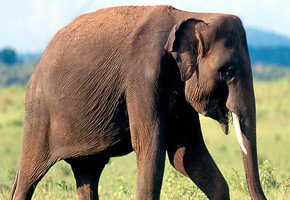
The authority has also engaged partners and recruited additional workers to deal with any potential crisis. The partners have made available vehicles, spare parts and accessories for the park to use in efforts to ward off disaster associated with summer when wild animals in the park die of thirst.
Last year it was reported that more than 100 elephants and other wild animals died because of thirst and hunger in the country’s largest game reserve.
ZNPWMA public relations manager Ms Carol Washaya-Moyo said boreholes supplying water to game were fully functional.
“These are regarded as backup facility when the natural pans dry up,” she said.
Ms Washaya-Moyo said the authority was also sourcing funds to ensure there was adequate fuel for use in pumping the water when the situation detects.
“But as we write to you, Zimbabwe Parks and Wildlife Management Authority has already engaged other supporters in a bid to ensure that wildlife, especially elephants do not die of thirst.
“The organisations that have already shown interest include Wildlife Environment Zimbabwe (WEZ), Matipula Hunters, Makololo Wilderness and National Centre for Scientific Research (CNRS),” said Ms Washaya-Moyo.
She said the assistance the authority had so far received to avert disaster included 10 pumps, back-up spares, mono pumps, filters and oil which she said were sourced by WEZ.
“The latest donation was from Liquid Telecom of two vehicles valued at $50 000 which was again triggered by the state of wildlife in Hwange National Park during the hot season last year,” she said.
She said others assisted in providing diesel and oil used to pump water.
“The other assistance the authority was seeking was repairing borehole engines.
Some of the engines especially at Robins, need to be repaired constantly.
Ms Washaya-Moyo said more than 20 casual workers had already been recruited. All in all a total of 50 workers would be assigned to pump water in the whole of Hwange,” she said.
She said since January no wildlife death as a result of thirst had been recorded in Hwange National Park.
Ms Washaya-Moyo said the elephant population in the Hwange National Park was estimated at 45 000 while the holding capacity was 30 000.
Culling was abandoned several years ago following pressure from the Convention on International Trade in Endangered Species.



 Online Reporter