Online Reporter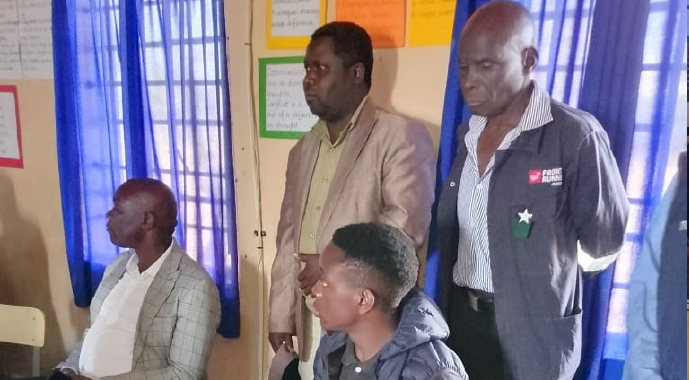
Mthabisi Tshuma, [email protected]
Parliament is taking digital transformation to rural communities, with the Parliamentary Committee on Gender and Development this week touring schools and digital centres in Bulilima District to assess access, usage and challenges on the ground.
The committee’s tour forms part of Parliament’s oversight role to ensure ICT infrastructure reaches rural areas and that learners, teachers and communities benefit equally from digital services.
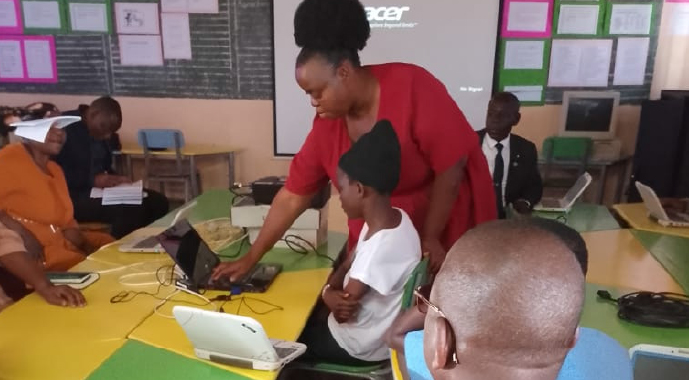
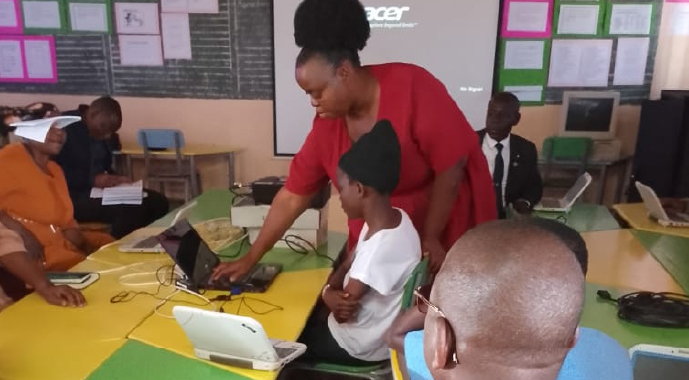
On Monday, the committee visited Masendu Primary School Computer Laboratory and the Masendu Digital Centre, formerly known as the Masendu Community Information Centre.
The delegation was led by Senator Sisasenkosi Ndebele and included Senator Chief Nhema, Senator Mavhenyengwa, Senator Miriam Katumba, Senator Rita Ndlovu, Senator Tapfumaneyi Unganai, Senator Chinyanga, Senator Mlilo and Senator Grace Mpande.
They were accompanied by officials from Parliament of Zimbabwe, Zimpost and the Ministry of
Information, Communication Technology, Postal and Courier Services.
Senator Ndebele said the visit was aimed at establishing whether the digital divide is being closed and whether digital services are being used effectively in rural schools.
“The intention of this visit includes undertaking verification of ICT, establishing if the ICT gadgets installed are functioning, assessing accessibility by learners and teachers, checking and verifying if there is gender equality in its usage, checking for any barriers with a view to addressing those, and ensuring that no learner is left behind in digital transformation,” she said.
Ministry of Primary and Secondary Education Bulilima District Schools Inspector Mr Gobile Gobile, represented by Mr Dingizulu Ndiweni, said the district has received significant ICT support but gaps remain.
The district has 24,346 primary school learners and 8,027 secondary school learners. It has 701 laptops, 22 tablets and 71 desktops, and 26 teachers recently underwent ICT training to improve skills.
“All 24 secondary schools in the district are connected to the internet through Starlink kits, and 57 out of 70 primary schools are connected,” said Mr Ndiweni.
“Having given the above, we still find that the ratio of learners to ICT gadgets is 1:31, meaning we still require more laptops.”
Masendu Primary School Head, Mr Akuneni Maphosa, said the school’s two ICT labs are used by teachers, learners and community members for research and learning.
However, he cited power outages and outdated equipment as challenges. “Some laptops are
outdated, as they still use Windows 7 and therefore cannot be reconfigured because the system is locked,” he said.
A community representative, Mr Freeman Dube of Masendu, said rural communities are embracing ICT and appreciate being included in national programmes.
“We are happy with these developments that are being rolled out by the Second Republic Government, as the rural folk are now on par with the urban population when technology is concerned,” he said.
Senator Chief Nhema said the committee’s work aligns with National Development Strategy 2, which emphasises that no place and no one should be left behind.
“The President’s vision must be followed and adhered to,” said Chief Nhema. “We will take all feedback received from you and observations and present them to the President and Parliament.”