admin
adminBongani Ndlovu Showbiz Correspondent
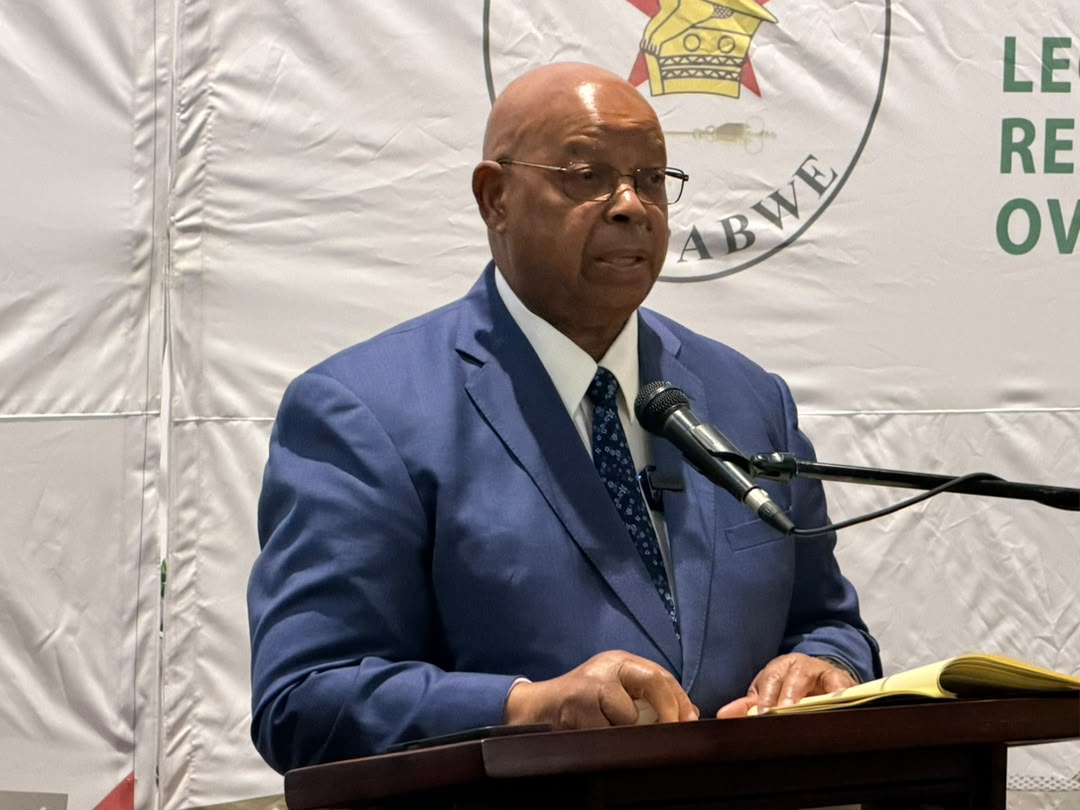
VETERAN historian Pathisa Nyathi is passionate about telling stories from the African view point and is motivated to write books in his quest to leave a legacy for future generations. His writings document African traditional practices and beliefs as well as indigenous knowledge that has been lost over the years. While presenting a paper on Pan-African Thought: Inspiration Behind The Generation of Indigenous Knowledge during the Reading Africa Symposium at the Hope Centre in Bulawayo recently, Nyathi said it was important to highlight the Afrocentric perspective of culture.
“We only live once, and my goal is if I go to glory, as my Salvation Army influences would say, I’ll leave a legacy that I can be remembered by. I can also leave indigenous knowledge systems in books that I’ve penned,” said Nyathi. Having lived near a rain making shrine during his early life in the Matobo district, Nyathi drew inspiration from this experience which has contributed greatly to his present passion for documenting African religious practices.
“My father, who was a story teller, introduced me to both the material and spiritual worlds of the African. At one time he was at Njelele Shrine to consult the Fertility Deity on issues of fruitfulness. The fireside stories painted an African world which was glorified and believed in,” said Nyathi.
Following the completion of his tertiary education, Nyathi had a hunger to research on Zimbabwe’s culture and liberation struggle and started interviewing a significant number of custodians of that knowledge.
“Initially spending a lot of time learning the Queen’s language and culture, I soon found myself plunging more and more into matters of African spirituality which opened new views and inquiry into African perspectives. This was some initial grounding and introduction to the African world, with its own science, art and craft.”
“This is the same period I undertook intensive interviewing of several elderly custodians and doyens of our culture such as Gogo Matshazi, Hudson Halimana Ndlovu, Gideon Joyi Khumalo, Msongelwayizizwe Khumalo, Mbangwa Mdamba Khumalo, Wilson Lethizulu Fuyana and Benson Mpungazathi Fuyana among others. Save for one, the rest have since died,” said Nyathi.
The historian, who has presented countless papers at various forums said as people engaged him on his works over the years, he became more intellectually empowered. “Over the years, I’ve had several students reading for undergraduate, masters and doctoral degrees interviewing me. I’ve emerged intellectually empowered from this process,” said Nyathi.


 derick.khumalo