Londile Moyo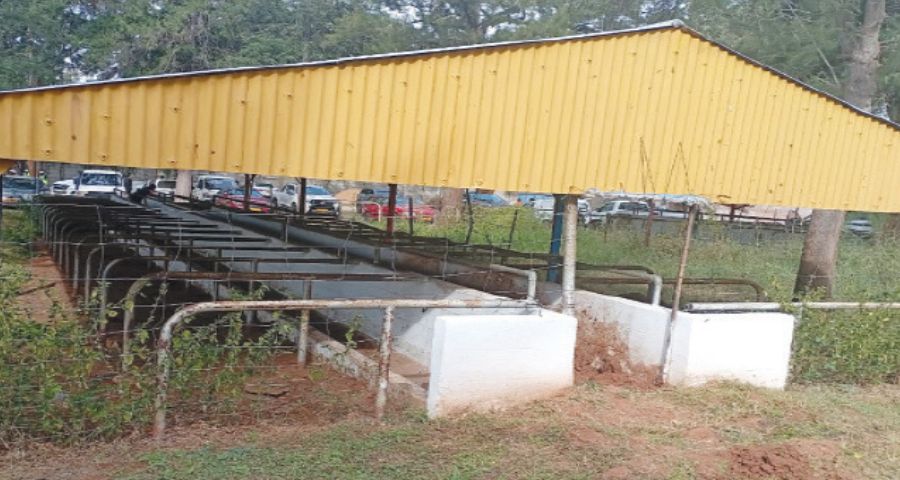
Raymond Jaravaza, [email protected]
PEDIGREE cattle breeders at this year’s 115th Bulawayo Agricultural Show, held alongside the Zimbabwe International Trade Fair (ZITF), are turning to digital exhibition platforms, replacing the traditional live animal displays with virtual showcases in response to a foot-and-mouth disease (FMD) outbreak.
The move marks a significant shift for the Bulawayo Agricultural Society (BAS), where pedigree cattle exhibitions have long been a major attraction, drawing crowds eager to view top-quality bulls and heifers. This year, however, smart screens and visual presentations will take centre stage.
Speaking on the sidelines of the 2026 Farmers Indaba yesterday, BAS chairman, Mr Obert Chinhamo, said the decision to embrace digital exhibition was both a safety measure and an innovative way to keep breeders connected with potential buyers and the public.
“As pedigree cattle breeders, we make money from selling bulls and heifers and once our cattle are infected with FMD, it will mean going for two years without selling any animals and that will certainly bankrupt us,” he said.
“Bulawayo is an FMD red zone, so it doesn’t make sense to bring our cattle here and expose them to the disease and ultimately infect our whole herds back at our respective farms. Instead, our members will showcase their operations through digital platforms, using smart screens to demonstrate breeding processes, farm management practices and the quality of their livestock.”
Under normal circumstances, the BAS cattle section is one of the ZITF’s biggest crowd-pullers, offering a rare opportunity for farmers, investors and the public to physically inspect high-value livestock. The absence of live exhibits this year underlines the severity of the FMD threat, but organisers believe the digital pivot could open new possibilities for the future.
Only a limited number of institutional exhibitors, including Zimbabwe Prisons and Correctional Services (ZPCS), Matopo Research Centre and Esigodini Agricultural College, are expected to display cattle under strict controls.
Farmers said the shift is a necessary adaptation to a worsening regional outbreak. Mbalabala-based farmer Mr Jairos Mahlangu noted that FMD continues to spread across boundaries, affecting both commercial and communal farming areas.
“The disease does not recognise borders or farming scales. It affects everyone, and that’s why measures like these are important to protect the national herd,” he said.
“The situation is a stark reminder that diseases do not differentiate between communal heads and communal operations.”
FMD is one of the most contagious livestock diseases, spreading through direct contact, contaminated equipment and, in some cases, airborne transmission. Its impact goes beyond animal health, triggering trade restrictions, productivity losses and costly containment efforts.
The absence of pedigree cattle breeders has highlighted the vulnerability of the livestock sector, particularly at a time when stakeholders are seeking to strengthen value chains and boost productivity.
Experts continue to call for stronger surveillance, tighter biosecurity measures, vaccination programmes and regional co-operation to contain the outbreak and protect Zimbabwe’s livestock industry, which is one of the cornerstones of the agricultural economy.



 Online Reporter