Online Reporter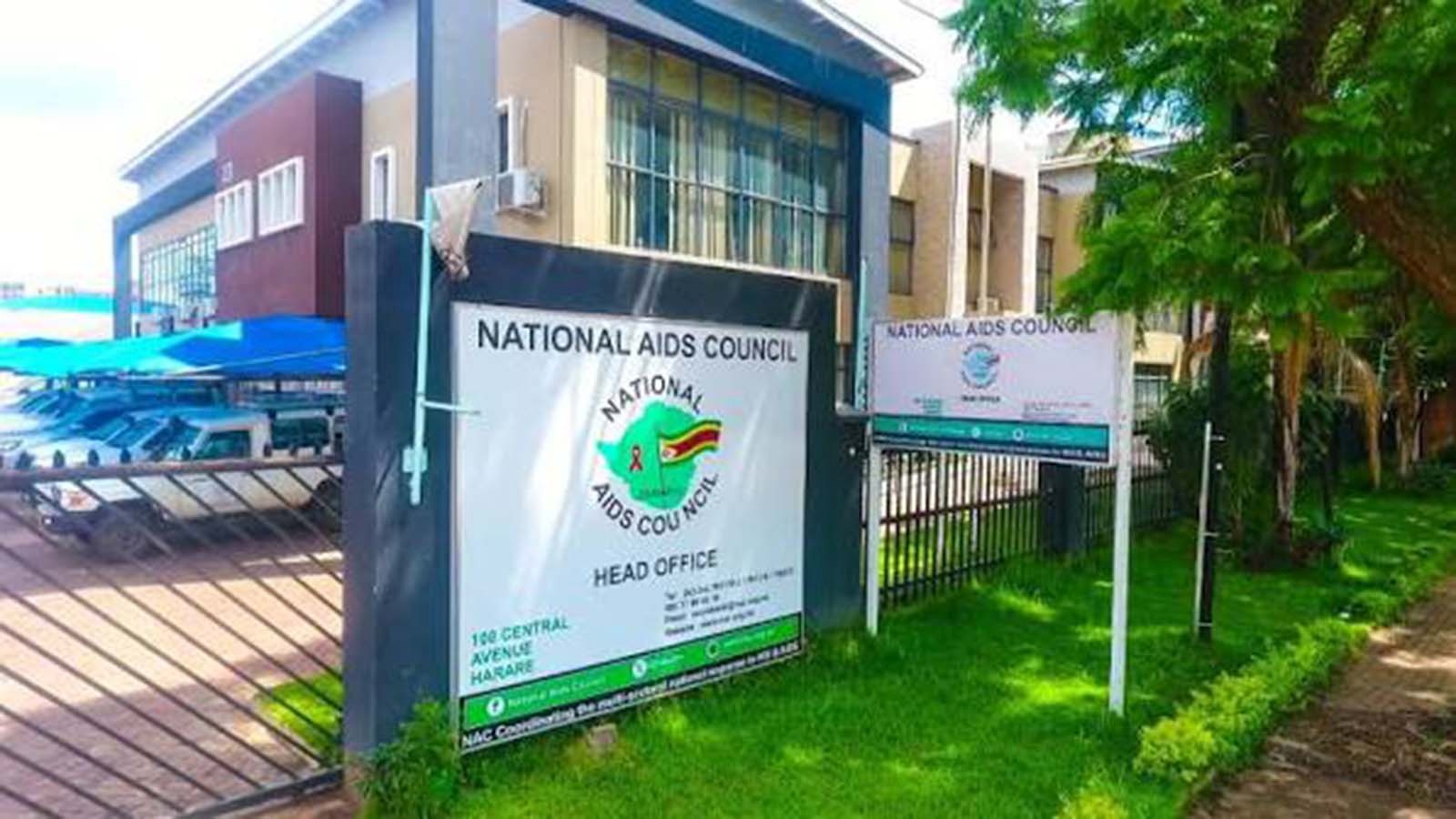
Victor Maphosa
Mashonaland East Bureau
ZIMBABWE’S fight against HIV and Aids is increasingly relying on community-driven approaches, with the peer-led model being implemented by the National Aids Council (NAC) emerging as a key strategy for reaching people with HIV prevention information, support and essential health services.
The model, being implemented among various population groups, places trained members of communities called peer educators at the centre of HIV interventions.
These peer educators use their shared experiences, knowledge and understanding of their communities to engage their peers on HIV prevention, testing, treatment and care.
Under the peer-led model, selected community members are trained to provide accurate HIV information, address myths and misconceptions, encourage appropriate prevention practices and link their peers to health services.
NAC has used peer-led approaches among different groups, including adolescent and young people, sex workers, artisanal miners, and tertiary students, among others.
These groups can face different social and structural barriers to accessing conventional health services, making community-based interventions particularly important.
The peer educators act as a bridge between communities and formal health facilities. For the Goromonzi communities, where mining and agriculture is the primary drivers of the economy, the peer-led intervention has proven to be a game changer as Zimbabwe targets to end AIDS by 2030.
Research by NAC has shown that Goromonzi district has the highest percentage in terms of sexually transmitted infections in Mashonaland East province.
This led NAC to implement various models to curb the spread. In an interview with Zimpapers during a media tour at Chanya Gold Mine, NAC Provincial Programmes Officer for Mashonaland East, Mr Marko Muzhingi, said they aim to ensure critical services reach every key population easily and timeously, as they intensify the fight to end AIDS by 2030.
“We have nine districts in the province, and Goromonzi is one of the priority districts because there is a huge challenge of sexually transmitted infections there,” he said. “However, the good news is that we introduced effective interventions to curb the problem of HIV new infections as well as other sexually transmitted infections.
“We have programmes that we are carrying out across the province, and in Goromonzi we have Sista2Sista, Behaviour Change Community Motivators (BCCM) and Peer-Led.
“So at this mine, we are implementing the peer-led model. We bring services to their workplaces. Goromonzi has the highest rate of new STI infections. This has informed the implementation of these models.”
Mr Muzhingi said these models are tailor-made to simplify the lives of communities and their health statuses.
He said it is a fact that men have low health-seeking behaviour, and visiting them at their workstations is proving to be a step in the right direction.
“We give them all the information on HIV and related sexually transmitted infections, what to do when one has tested positive to HIV and if one is negative,” he said.
“Before introducing these interventions, the prevalence rate was high, but now it has decreased. This is according to our quarterly reports.”
Mr Muzhingi said the rise in new infections in Goromonzi may be attributed to artisanal mining as well as the farming environment in the district where transactional sex is prevalent.
Mrs Getrude Kalimfa, NAC Peer-led mentor, said ever since the Peer-led programme was introduced, men have changed their behaviour.
“There is an increase in men now seeking health services. I work with more than 800 people and I have realised that more men are embracing this programme. Issues of STIs are common in Goromonzi, so we want to put a stop to that.
“Special gratitude goes to officials from the Ministry of Health and Child Care as well as those from NAC for working around the clock to ensure everyone here is assisted,” she said.
Chanya Mine manager Mr Brighton Mbata said the peer-led model is yielding results at the mine.
“I want to thank Government through the Ministry of Health and Child Care and mostly the National Aids Council (NAC) for the interventions they are doing at our mine,” he said.
“We used to have sleepless nights here because we could not meet our targets. This was caused by a shortage of manpower as most of the workers would be sick and unfit to work.
“The common problem was sexually transmitted infections among our workers. As you know, men do not want to seek health services on time and this affects operations here.
“So NAC came in with a programme where they visit this mine with health personnel from the Ministry of Health and Child Care, with services that are meant to assist us.
“This has brought relief to our workers. We get all the information that we need and all the services that we require. This has made it easy for our workers to be assisted, and we are thankful.”
An employee at the mine, Mr Chris Gurupira, said the coming in of the NAC programme has brought relief.
“We are now assured of timely assistance. As you know, it is hard for someone to work while not feeling well,” he said.
“We are glad that days of having to stop going to work just because one had gone to a clinic are over. Help is available every time.”
Another mine worker, Tariro Chirambauta, said the peer-led programme has opened his eyes to the dos and don’ts in the fight against HIV and AIDS.
“We get information from our peer educator, which is useful to us as mine workers,” he said. Information is power, that is why even God in the Bible said, “My people are perishing due to lack of knowledge.
“NAC is equipping us with relevant knowledge, and we are now able to tell a myth from reality.
“Besides knowledge, we are getting tested for HIV here. We receive condoms, and those who would have contracted an STI get treatment.
“We have since embraced this programme, and our hope is for it to continue because many lives have been saved.”