Bruce Ndlovu in Donkwe Donkwe, Kezi
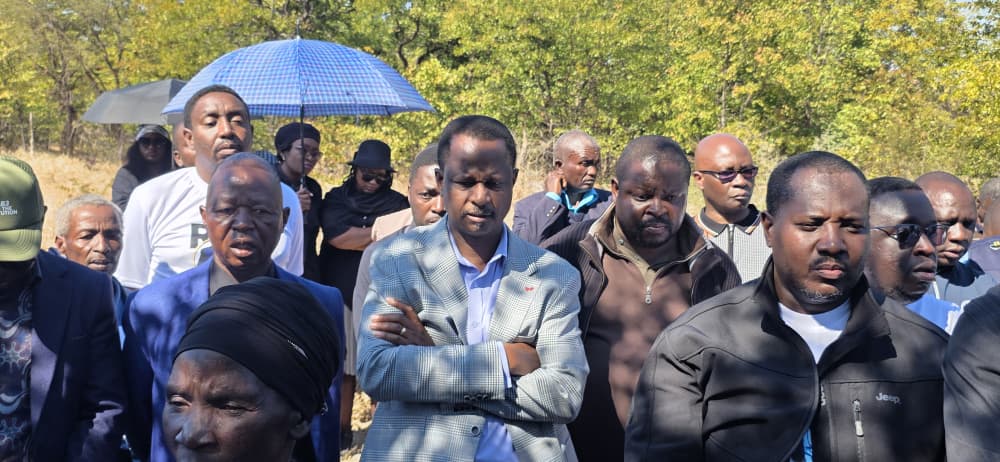
THE biting winter cold that settled over the Donkwe Donkwe area in Kezi, Matabeleland South, on Thursday night did little to deter the hundreds of mourners who gathered to bid farewell to Liberation Hero and Sunday News Assistant Editor, Mkhululi Sibanda.
As temperatures plunged, relatives, journalists, war veterans, Government officials, villagers and friends remained gathered at the Sibanda homestead from late afternoon until the early hours of Friday morning, sharing stories, singing hymns and celebrating the life of a man whose pen earned him one of the country’s highest honours.
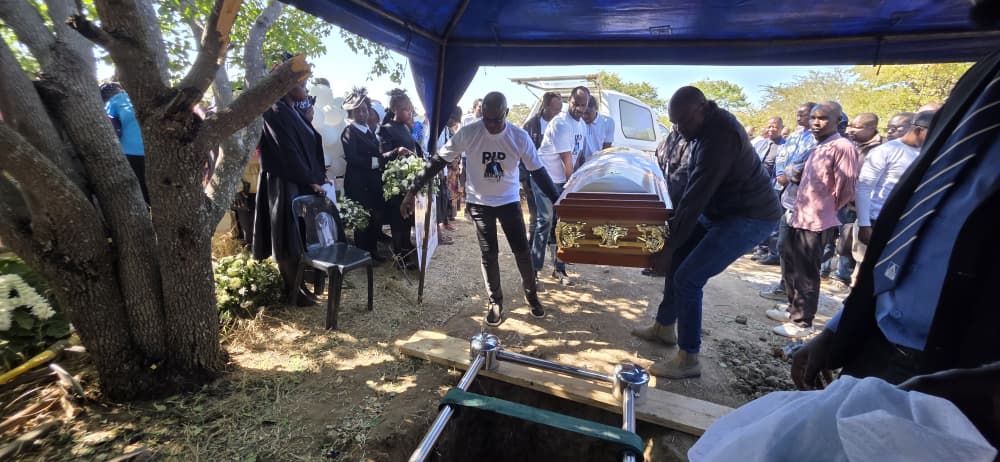
Yesterday morning, mourners watched as Sibanda was laid to rest at his rural home, bringing to a close the life of a journalist whose commitment to chronicling Zimbabwe’s liberation history earned him national recognition.
His burial was remarkable not only because he became one of the few journalists in the country’s history to be accorded liberation hero status, but also because it cemented the Sibanda family’s unique place in Zimbabwe’s history. Father and son now both rest among the nation’s heroes, an extraordinary distinction made even more remarkable by the fact that while his father earned the honour through the liberation struggle, Mkhululi’s recognition came through decades of dedicated service with the pen rather than the gun.
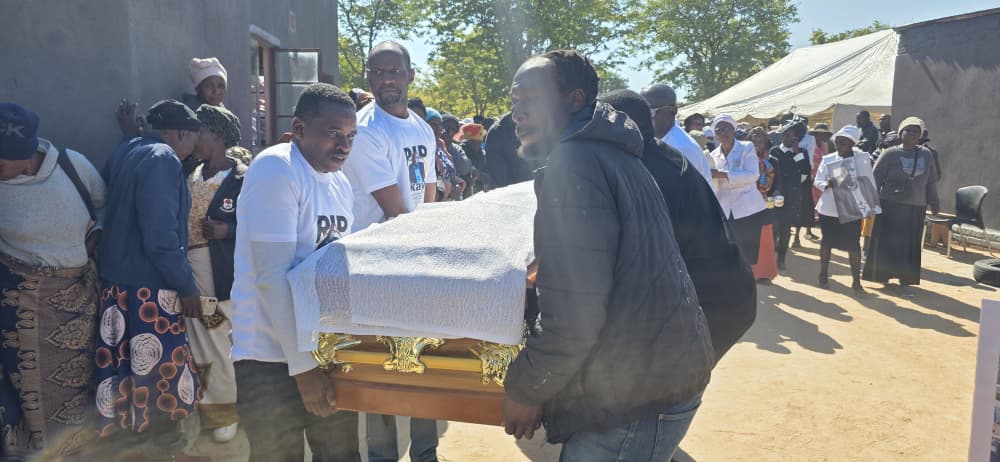
As mourners bade Sibanda their final farewell, there was a shared sense that while his voice had fallen silent, the stories he painstakingly preserved, the journalists he mentored and the history he helped safeguard would continue speaking long after his burial. In this way, the legacies of both son and father remain permanently woven into the story of Zimbabwe.
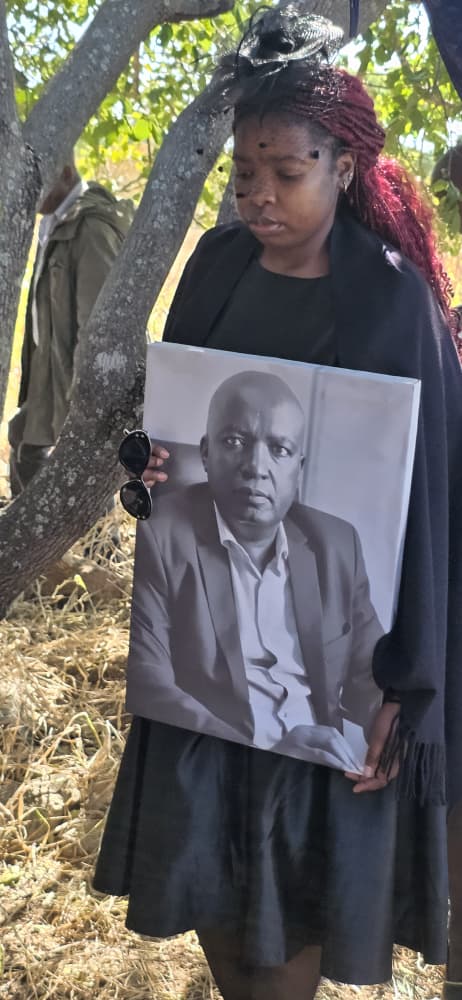
Speaker after speaker said his conferment with liberation hero status demonstrated that service to the nation could take many forms, with Sibanda proving throughout his career that, indeed, the pen could be mightier than the sword.
Deputy Minister of Information, Publicity and Broadcasting Services, Dr Omphile Marupi, said the nation had lost one of its finest sons.
“We have lost a gallant son. It’s not only his family that has lost a child but the entire country because what he used to write, he did not just write for himself or his family but he offered his duties to the entire country,” he said.
Dr Marupi said Sibanda’s elevation to liberation hero status was a powerful reminder that patriotism was not confined to the battlefield.
“Some of us can claim to have been blessed to reach higher office but not all of us will be declared national heroes. Some might say this is an honour that is reserved for those that handled the gun but here we have someone who embodied the saying, ‘the pen is mightier than the sword.’ To those that are left behind, let us use the pen responsibly. To our elders, when young people come to write about the country’s history, open up to them and give them what they need,” he said.
Zimpapers chief executive officer William Chikoto said Sibanda had devoted more than three decades of his life to journalism, serving the company and the country with distinction.
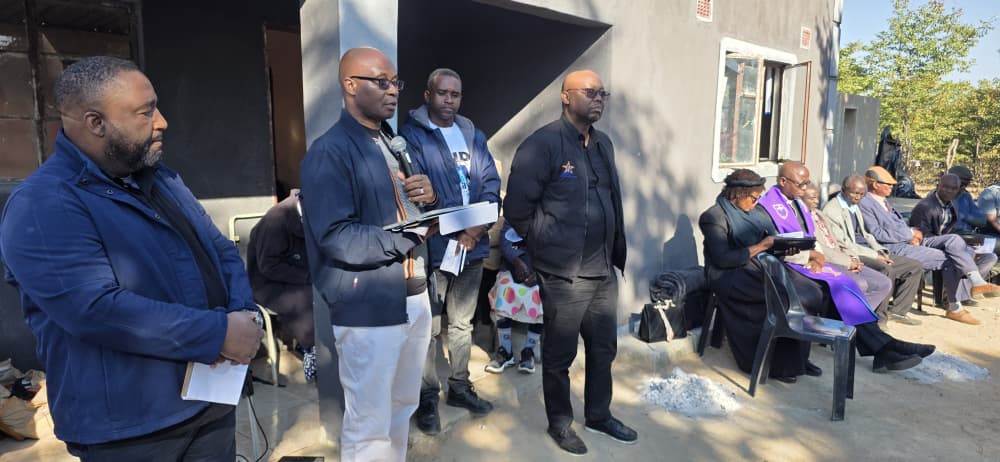
“Throughout those years, he earned the respect of colleagues, sources, readers and the nation at large through his diligence, professionalism and unwavering commitment to journalism of the highest ethical standards,” said Chikoto.
He said Sibanda had joined Zimpapers in 2001 and risen steadily through the ranks through discipline and hard work.
“He was disciplined throughout and was never brought before a disciplinary hearing. This is something which all journalists here must emulate. Mkhululi was a journalist whose judgment was both sharp and dependable. He understood that journalism carries a responsibility beyond reporting events, it carries a duty to preserve truth, promote understanding and safeguard the national interest,” said Chikoto.
He said Sibanda’s deep appreciation of Zimbabwe’s liberation history found expression through his widely read Lest We Forget column in the Sunday News, where he documented the lives and sacrifices of liberation war veterans and national heroes.
“He was also a gifted mentor. Many journalists who today occupy senior positions in newsrooms across the country benefitted from his guidance, wisdom and encouragement. Yet despite the vast knowledge he possessed, Mkhululi remained remarkably humble,” he said.
In a poignant tribute, Chikoto revealed that Sibanda had worked almost until his final moments.
“On the last Saturday before his passing on, he participated in the editing of the Sunday News, continuing to serve the profession he loved. A few days later, he was gone. He died, quite literally, with his boots on, in service to journalism and to Zimbabwe. UMkhululi ufe njenge sotsha liphethe umbhobho,” he said.
Sunday News Editor Hatred Zenenga said Sibanda had become an indispensable guide not only to journalists but also to Zimbabwe’s liberation history.
“He introduced us to many liberation war heroes and commanders from Matabeleland. Now that he is gone, we wonder who will play that role. As of yet, we do not have an answer,” he said.
Chronicle Day Editor Nduduzo Tshuma reflected on the extraordinary bond that united their families through the liberation struggle.
“What made him and I close was that both our fathers were liberation war heroes. Now I would say he would be proud than me because he is now a liberation hero. It’s very rare that in one family you have two heroes, let alone a father and son. We always say that a person’s deeds will follow them,” he said.
Chronicle Assistant Sports Editor Lovemore Dube described Sibanda as a patriot who always sought a better Zimbabwe through responsible journalism.
“We have lost a patriot and someone who wanted to see the continuing growth of the journalistic trade,” he said.
Former colleague and National University of Science and Technology lecturer Methuseli Moyo said Sibanda possessed a rare combination of courage, humility and leadership.
“We called him the commander because of the way he led. All of us congregated around him. He was our captain. The news editor is the heartbeat of the newsroom and Mkhululi had a nose for news. If he was a dog, I would call him a bloodhound. That is how competitive he was.”
Bulawayo Deputy Mayor Councillor Edwin Moyo thanked President Mnangagwa for recognising Sibanda’s immense contribution to Zimbabwe.
Football coach Cosmas “Tsano” Zulu, visibly emotional, said he had rarely encountered a man of Sibanda’s character.
“I feel sorry for the staff at Zimpapers because he was someone that was constant in their lives. Now they will come and look into his office after 20 years and find him no longer there. It is a painful blow to everyone,” he said.