Online Reporter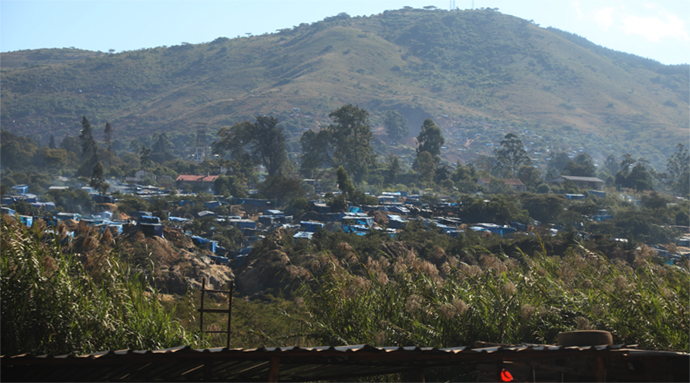
Lovemore Kadzura
Post Reporter
AS dawn breaks over the hills of Penhalonga, streams of men armed with shovels, picks, and sacks pour into makeshift mining pits, chasing the promise of gold.
For many, the precious metal represents a fragile hope of escaping poverty.
Yet beneath the glitter of quick riches lies a deepening public health crisis. Local leaders and health authorities warn of a cholera outbreak and a surge in sexually transmitted infections (STIs), both linked to the rapid influx of illegal miners.
Around the mining sites, sprawling temporary settlements have sprung up, drawing thousands into overcrowded camps where clean water, sanitation, and healthcare are scarce.
Open defecation, contaminated water sources, and poor waste disposal have created fertile ground for waterborne diseases like cholera.
Health workers caution that the constant movement of people in and out of these camps has made disease surveillance and response far more difficult, raising the risk of wider community transmission.
What began as a rush for gold is now threatening to become a humanitarian emergency.
The situation has been compounded by a rise in risky sexual behaviour associated with the informal mining economy.
Penhalonga has attracted commercial sex workers and the availability of cash from gold sales has fueled transactional sex. This has contributed to an increase in STIs, placing additional pressure on already stretched health facilities.
Residents say the population of Penhalonga has grown significantly in recent years as artisanal and illegal mining activities expanded following the discovery of lucrative gold deposits.
With the population boom has come increased demand for housing, water and sanitation services that local infrastructure was never designed to accommodate.
Beyond the health risks, Mrs Revai Mutisi of Katalambano Mining company, said the mining boom has transformed the social fabric of Penhalonga.
Families have been separated as young men migrate in search of gold, while school dropouts have increased as some youths abandon classrooms for mining pits in pursuit of quick income.
“The issue of cholera here in Penhalonga is being caused by lack of adequate boreholes, ablution facilities, and clean water. However, cholera is not the only health challenge here. At the mining sites and shops, there are plenty of women cooking food for artisanal miners and selling various items. This area has been flooded by girls and women engaging in commercial sexual activities with the artisanal miners.
“We fear that there will be a full blown outbreak of sexually transmitted diseases including HIV and Aids. We call upon the authorities to assist in curbing this challenge so that operations continue smoothly,” said Mrs Mutisi.
Healthcare workers said sustained public education, improved water and sanitation infrastructure, expanded disease surveillance and greater access to medical services are essential to containing cholera and the spread of STIs.
National AIDS Council Manicaland provincial coordinator, Mr Artwell Shiridzinomwa, allayed fears of STIs outbreak in Penhalonga, and revealed that they are running a number of programmes targeting populated areas such as mining sites.
He, however, noted that due to the nature of their activities some may not be able to get access to the services.
“There is no outbreak of STIs in Penhalonga. Last month, we had a team from the Ministry of Health and Child Care, which spend three days in that area providing services from Penhalonga up to Premier mining area. People were treated of various ailments including sexually transmitted diseases.
“These artisanal miners do not have time to visit health facilities. Only those not underground are the ones that are attended to, so some maybe left out due to this reason. In the past, we used to do tests and treatment during the night so that we afford every person a chance to get treatment,” said Mr Shiridzinomwa.
He added that they have trained some miners to impart safe sexual practices to their peers. They also distribute condoms to the area to combat the spread of diseases.
“We are running programmes in these areas such as the peer led, and we emphasis on the spreading of information to their peers, both miners and other citizens. This programme is driving the information dissemination in terms of prevention, and National Aids Council trains the peer educators. We are also distributing commodities such as condoms and self-testing kits.
“We are screening for non-communicable diseases such as diabetes test and high blood pressure. In partnership with the Ministry of Health and Child Care and other partners, we are carrying out quarterly outreaches to these people to provide most of the services. We discovered that these artisanal miners do not have time to visit health facilities to seek medical services.
“We are bringing the services right to them to alleviate issues to do with HIV infection and even antiretroviral treatment adherence. Our community volunteers in mining areas make sure that people who are on ART are adhering to their medications,” said Mr Shiridzinomwa.
By Wednesday afternoon, there were no new cholera cases reported as efforts by the Government through the Mutasa District Civil Protection Committee and miners’ cooperation to combat the spread is paying dividends.