Online Reporter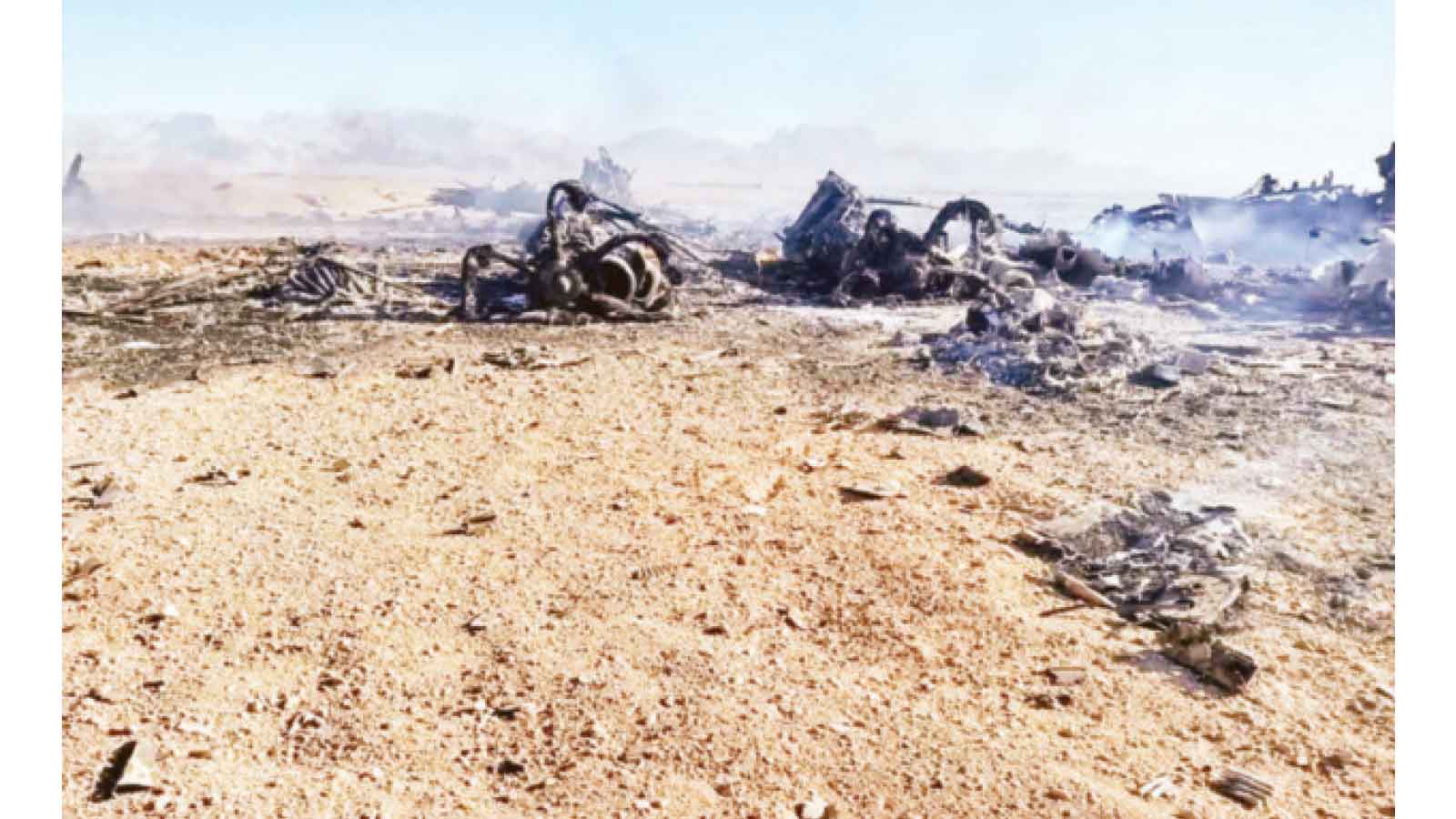
Saxon Zvina-Correspondent
THE ongoing US‑Israel military confrontation with Iran has devolved into a strategic catastrophe for Washington and Tel Aviv. Despite relentless aerial campaigns, Iranian air defences, naval assets, and ballistic missile capabilities remain operational.
The US has suffered reputational, economic, and command‑structure damage unseen since Vietnam. The veto of the Bahraini UN Security Council resolution by China, France, and Russia — far from obstructionist — reflects a sober assessment of international law and the futility of force. The recent firing of 12 US generals, including Army Chief of Staff General Randy George, signals a dangerous collapse of civilian‑military checks ahead of a likely ground invasion.
The Military Reality: Iran Is Not Broken
Contrary to White House and Pentagon narratives, Iran continues to;
Shoot down US/Israeli drones daily.
Fire ballistic missiles at will, including recent strikes on Tel Aviv.
Maintain naval assets via underground hideouts.
Inflict steady attrition on US regional bases and F‑35 operations.
Iran’s military budget is a fraction of the F‑35 programme’s lifecycle cost, yet it has effectively neutralized the technological edge the US has relied upon since the 1990s. Meanwhile, Israel is taking significant hits from Hezbollah — a group prematurely declared “defeated” by Western intelligence.
Key takeaway: The US has failed to achieve any strategic objective (regime change, air supremacy, freedom of navigation). Instead, it is bombing civilian infrastructure while acknowledging that regime change is “not possible.”
Why China, France, and Russia Vetoed the Bahrain UN Security Council Resolution
The draft resolution (presented by Bahrain, April 2026) sought to authorise use of force against Iran under Chapter VII of the UN Charter. The three permanent members vetoed it for distinct yet overlapping reasons:
China
Opposes any precedent for unilateral or UN‑sanctioned military intervention without clear evidence of an imminent threat.
Sees the US‑Israel campaign as destabilising global energy markets and China’s Belt and Road investments in the Gulf.
Prefers diplomatic engagement and the JCPOA framework.
France
Maintains that military escalation will not secure regional stability; instead, it fuels terrorism and refugee flows affecting Europe.
Historically champions multilateralism and rejects a US‑Israel “blank cheque” for war.
Concerned that the resolution bypasses ongoing IAEA verification mechanisms.
Russia
Views the resolution as a US attempt to legitimise aggression while Russia is militarily stretched in Ukraine.
Seeks to preserve its strategic partnership with Iran (drone/missile technology, energy deals).
Opposes any UNSC endorsement that could later be used against Russian interests elsewhere.
Common thread: All three nations recognize that the resolution was a procedural cover for an unwinnable war. Their veto was not pro‑Iran but pro‑international law and anti‑escalation.
Implications of the Tripartite Veto on UNSC Operations
Credibility of the UNSC: Further erosion of the P5’s ability to act on genuine threats. The veto is now seen as a routine tool to block Western‑led interventions.
Future resolutions on Iran Unlikely to pass: The US will shift to unilateral sanctions and “coalitions of the willing,” further marginalizing the UN.
Use of force authorisations: De facto moratorium on Chapter VII military mandates for non‑existential threats. Russia, China, and France have signalled they will veto any such resolution without ironclad evidence and exhausted diplomacy.
Reform debates: Renewed calls for limiting veto power in cases of mass atrocities, but no practical progress. The current structure favours geopolitical blocs over collective security.
US strategy: Washington will increasingly bypass the UN, relying on NATO‑plus formats. This reduces accountability and raises the risk of unconstrained escalation.
The Purge of US Generals: A Sign of Desperation and Danger
Firing 12 top generals during active combat is unprecedented in modern US history. The removal of Gen George on April 2, with no stated reason, marks a collapse of civil‑military norms.
What it tells us:
The next phase is ground invasion – likely targeting Kharg Island (90 percent of Iranian oil exports) or Hormuz islands.
Dissent is being silenced – Gen George likely objected to operational or ethical parameters of the coming order.
The chain of command is now a personal instrument – US Secretary of War Pete Hegseth replaced Gen George with his own former aide, General Christopher LaNeve. No intermediaries remain who might push back.
Trump’s narcissism is driving strategy —Failing approval ratings, midterm fears, and a need for a “victory” spectacle override military prudence.
Historical parallel: The Saturday Night Massacre (1973) pales in comparison. Here, the obstruction is not about a special prosecutor but about preventing any general from stopping a disastrous invasion.
Economic and Geopolitical Fallout
Global economy: Oil price volatility, shipping disruptions in the Strait of Hormuz, and inflation spikes are already visible. The US lifting some Iranian and Russian sanctions is an act of panic, not strategy.
Gulf States: Their US‑built military infrastructure is being systematically degraded. Long‑term trust in American security guarantees is evaporating.
Israel: Sustained Hezbollah and Iranian retaliation means no “clean exit.” If the US withdraws, Israel remains a target. If the US stays, it bleeds resources.
US domestic front: Trump’s approval is collapsing. Firing generals and blaming allies (NATO, Gulf partners) will not reverse midterm losses. The Republican Party faces a generational realignment away from interventionism.
A Strategic Defeat of Historic Proportions
The US‑Israel war on Iran has become an unmitigated disaster. Iran’s military remains functional. The UNSC is paralysed but rightly so — no legal or practical basis exists for authorizing force. The purge of America’s senior military leadership removes the last institutional brakes on a reckless ground invasion.
Iran will emerge as the dominant regional power — either through a US withdrawal or through a costly, failed occupation. Nuclear weapons will not reverse this; they would only deepen isolation.
Trump and Hegseth are spiralling, substituting strategic reality with televised bravado. The world is watching the end of unipolarity, written not in a grand treaty but in the quiet firing of a four‑star general who dared to think before obeying.
Saxon Zvina is the principal consultant, Skyworld Consultancy Services