Andile Tshuma, Zimpapers Writer
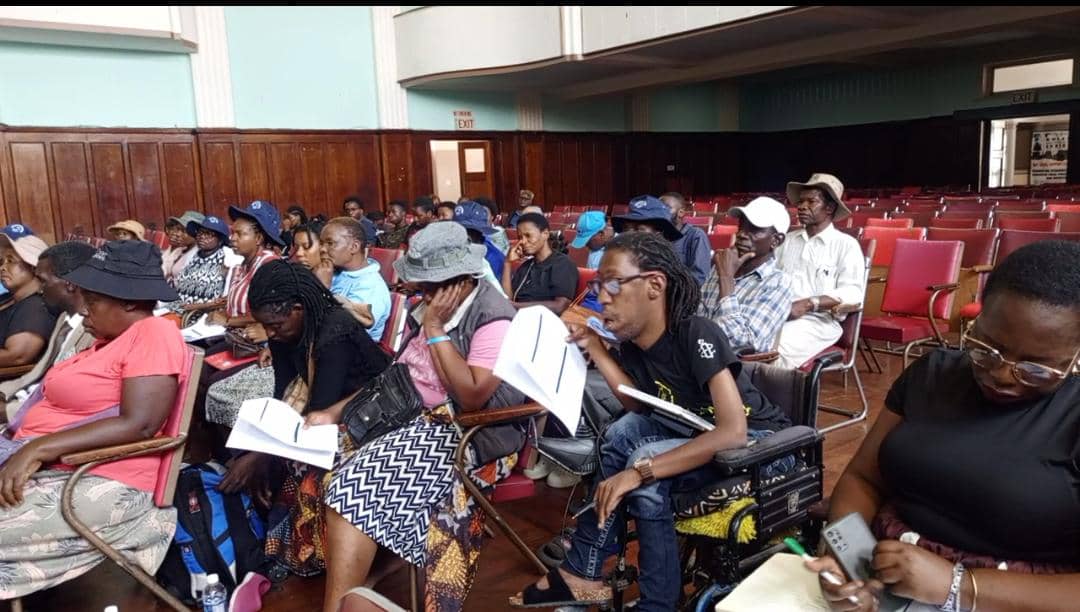
PERSONS with disabilities (PWDs) in Bulawayo have rejected the city council’s proposed US$457,88 million budget for 2027, arguing that it fails to adequately address their needs and does not sufficiently prioritise inclusion.
The rejection came during a municipal budget consultation meeting specifically organised for people with disabilities, where participants raised concerns over the allocation of only US$8 000 towards their needs.
Disability rights advocates said the allocation was inadequate in a city seeking to position itself as a modern, inclusive and smart urban centre.
Prominent disability rights advocate Mr Tsepang Nare said the local authority had failed to meet basic expectations on disability inclusion.
“The City of Bulawayo has completely failed to adhere to minimum standards for disability inclusion,” said Mr Nare.
“You cannot talk about a modern, smart city of the future when your infrastructure remains a physical barrier. US$8,000 is not a budget for inclusion; it is a token gesture designed to tick a box.”
Ms Zodwa Mabhena highlighted the economic challenges faced by people with disabilities, particularly difficulties in securing formal employment.
She urged Bulawayo City Council (BCC) to consider employing people with disabilities in suitable casual positions, including in the municipal cleansing department, as part of efforts to improve their livelihoods.
Participants also raised concerns over access to healthcare, particularly for members of the deaf community who face communication barriers when seeking treatment at municipal clinics.
They said the lack of effective communication with medical personnel could compromise patients’ privacy and affect the quality of diagnosis and treatment.
Responding to the concerns, council health services officials said municipal clinics had at least two nurses who had undergone basic sign language training to improve communication with deaf patients.
They added that the Health Services Department was working towards making municipal facilities more inclusive and physically accessible.
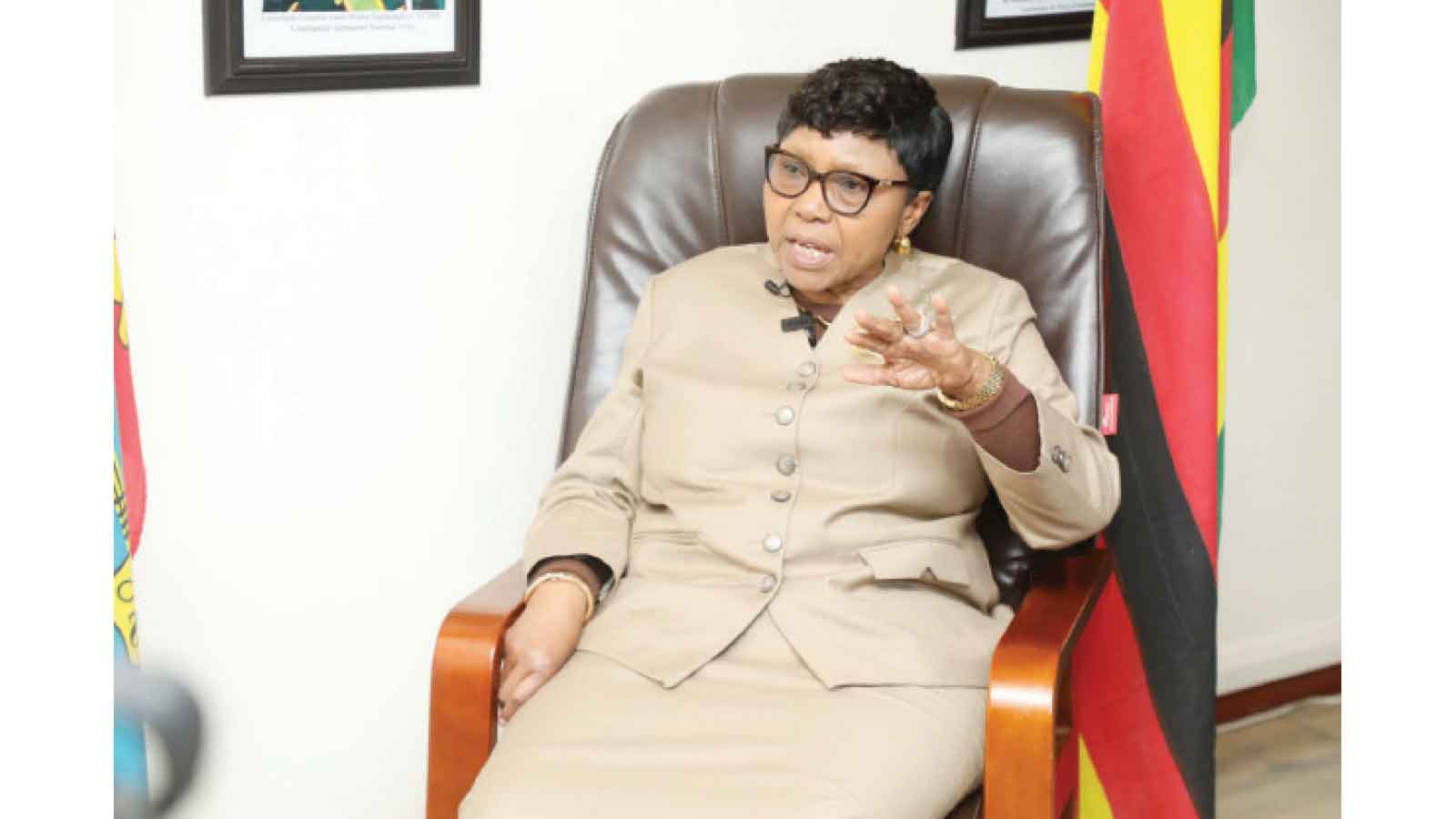
Speaking on behalf of council, Principal Gender, Safety and Health Officer Mrs Audrey Manyemwe said the local authority had proposed an average 74 percent increase in residents’ rates to cushion rising operational costs and sustain service delivery in 2027.
She outlined proposed expenditure across key departments, including engineering services for road rehabilitation and water reticulation, health and social services, public lighting maintenance and environmental management.
Mrs Manyemwe also said the council’s wage bill was projected to reach US$117 million under the proposed budget.
On education, Hope for Inclusion representative Ms Boiputso Nondo urged council to prioritise inclusive learning in its primary schools by providing specialised educational materials, including large-print textbooks for learners with visual impairments.
“While we appreciate wheelchair ramps, they are not enough, and we want to see inclusion coming to the classroom where necessary learning aids are provided for learners with special needs. Only then can education be inclusive,” she said.
Mr Craig Biemba called on council to simplify procedures for disability organisations seeking to register and engage with the local authority.
He said groups wanted to approach council with self-help initiatives but faced systemic barriers that made it difficult to organise themselves formally.
Participants also questioned the proposed full-cost-recovery model, arguing that it could place a disproportionate burden on vulnerable residents if adequate provision was not made for their needs.
They called on council to review the proposed budget and allocate more resources towards accessible public infrastructure, specialised services, inclusive education and economic empowerment programmes before the financial plan is submitted for Government approval.