Chronicle Editor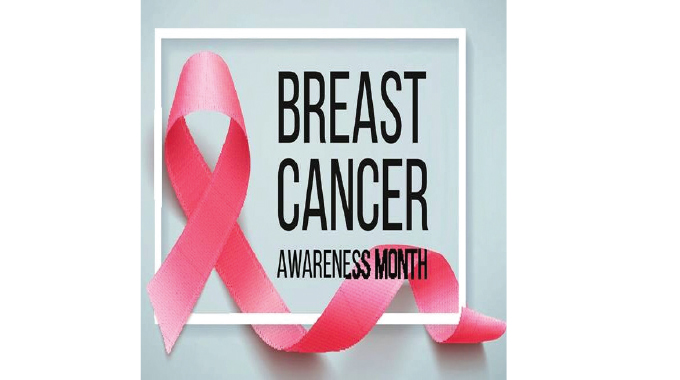
Andile Tshuma, Gender
October is here and the pink ribbon is trending again.
Its breast cancer awareness month and we celebrate survivors and remember those who lost the fight to breast cancer.
Many organisations have breast cancer awareness programmes lined up, however now is the time to move from awareness to action.
We should all talk about breast cancer as much as possible, at work, at church gatherings, at socials and everywhere else where people meet.
The victory is in our hands and in empowering and encouraging each other to get screened for early detection. The same way we test for HIV or blood sugar must be the same way we check for breast cancer as we may feel healthy for a very long time yet cancer may be eating away our healthy tissues.
Going through cancer treatment can be physically, mentally and financially draining.
While cancer prevalence is higher in women, men are not immune to it either and joint efforts in creating awareness and joining in the fight would lead to better and lifesaving results for all.
The more awareness there is about a disease or ailment, the more empowered people are and the more they are able to handle it.
Doctors say early detection is vital since tumours can be picked when they are still small, ensuring treatment success.
It is however sad that in most cases cancer is often detected very late when it is at an advanced stage.
No one is immune to cancer. While special diets, exercise and general healthier habits can help reduce chances of developing cancerous tumours by up to 40 percent, it is important for everyone to get screened often.
With so much attention and resources having been channelled towards the fight against HIV and Aids, a development that saw Zimbabwe emerge as one of the success stories in Africa with an HIV prevalence rate of 13,9 percent, it however, seems not so much has been done about the silent killer, cancer.
Recent statistics from the Ministry of Health and Child Care indicate that 7 000 new cancer cases are reported annually and 60 percent of them, according to the Zimbabwe National Cancer Registry, are HIV-related. Of these, only some 1 300 to 2 000 are treated with radiotherapy.
Worldwide, cancer is responsible for 7,6 million deaths annually, two thirds of which are recorded in low-middle income countries. A study published in the International Journal of Cancer indicates that cancer patients in Harare are not likely to survive five years after diagnosis at present levels of care, which is a greater call for action.
While October is dedicated solely to breast cancer, other forms of cancer deserve attention as well.
Men and women must develop a habit of visiting the doctor at least once every year for a full body check-up that includes a breast cancer check.
That one not so important trip to the doctor could be a deciding factor between life and death. We are all often overwhelmed with responsibilities, sometimes we brave illnesses for the sake of time and convenience but this is very dangerous as we may seek help when we cannot be helped much.
According to WHO statistics, there are about 1,38 million new cases and 458 000 deaths from breast cancer each year worldwide. Breast cancer is by far the most common cancer in women worldwide, both in the developed and developing countries.
In developing countries, the incidence has been rising steadily in the last few years due to increase in life expectancy, increased urbanisation and adoption of western lifestyles. There is not sufficient knowledge on the causes of breast cancer and therefore early detection of the disease remains the only effective way to control breast cancer.
When breast cancer is detected early, and if adequate diagnosis and treatment are available, a life can be saved.
Medical researchers say if detected late, however, curative treatment is often no longer an option. In such cases, palliative care to relieve the suffering of patients and their families is needed.
Most breast cancer deaths occur in developing countries where most women with breast cancer are diagnosed in late stages due mainly to lack of awareness on early detection and barriers to health services.
Breast cancer should not just be a woman’s issue. Men should also rally behind the pink ribbon and the pink ribbon should be a 365-day matter, not just an October issue. It is time to take awareness talk way beyond the 31 days in October through action as change will only come if people walk the talk.
Women’s organisations must rally behind the call to eliminate breast cancer, cervical cancer as well as all cancers as a growing health problem through engaging in programming that helps women access health information and health services, which help save lives.
The health of women and girls matters now more than ever as the Covid-19 pandemic is threatening to shift focus from other ongoing efforts to deliver quality health services as resources are being channelled towards the pandemic.
It is an opportune time for women’s organisations to ensure that the rights of women and girls and their health is taken care of.
These organisations must also question how cancer units and radiography machines at public hospitals can go for months and years lying idle, non-functional in need of repairs, yet women die on a daily basis for lack of treatment.
Investing in the health of girls and women is critical in ensuring that they are empowered and can help in the development of their communities and there is need for stronger integration of services to improve health outcomes among adolescent girls and young women.
The Covid-19 pandemic and the restrictions in movement increased women’s risks to succumb to cancer as borders were closed and women could not seek health services beyond the country’s borders, yet most cancer screening machines at central hospitals were not functional, particularly in 2020.
This should never be allowed and it is the work of women’s organisations to ensure that they are the voice and speak on behalf of every woman, demanding quality healthcare services at public health institutions.
Evidence from most epidemics and pandemics indicates that resources are often diverted from routine health services which further reduces access of many young girls and women to basic health services.
The pandemics have exacerbated the gap in healthcare, and efforts must be made to ensure that this gap is closed and everyone gets quality health services as and when needed.
Aggressive campaigns against cancer should be louder around the world and women’s representatives must ensure that their constituencies are well represented. — @andile_tshuma


 Online Reporter