malvernmugadzikwa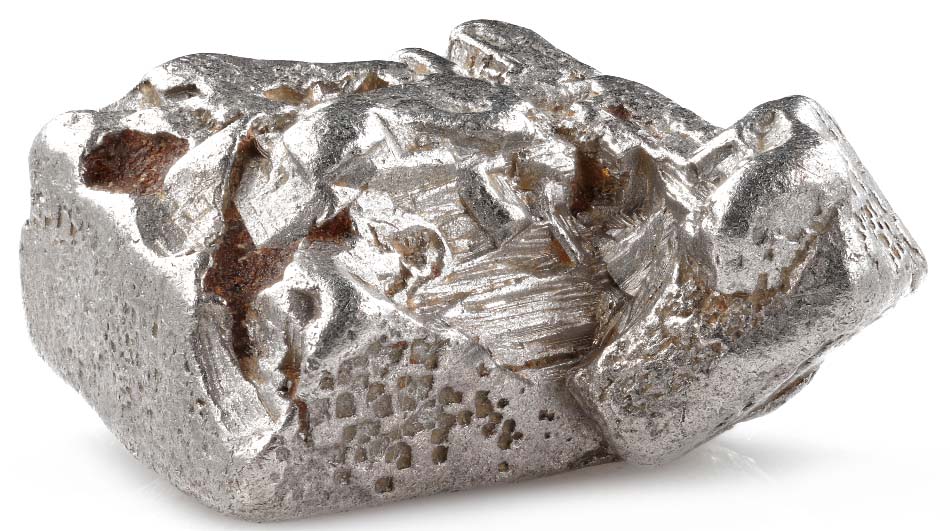
Tapiwanashe Mangwiro
Business Reporter
THE production of Zimbabwe’s platinum group metals (PGMs) jumped by 11 percent to an all-time quarterly high of 129 000 ounces in the three months to September 2023, benefiting from solid output at the country’s largest producer — Zimplats, latest figures from the World Platinum Investment Council (WPIC) report show.
In the period under review, Zimbabwe’s platinum output stood at 116 000 ounces in the same period in 2022.
Platinum is strategically important to Zimbabwe given that, together with gold, the minerals account for more than half the earnings from the mining sector, which generates over 80 percent of Zimbabwe’s foreign currency.
“The growth came from Zimplats, which realised additional milled volumes from the third concentrator plant, in addition to the impact of scheduled furnace maintenance last year,” WPIC stated.
“Output from other producers, Unki and Mimosa, remained virtually unchanged year-on-year.”
Zimplats commissioned a new US$100 million concentrator plant in June this year to support its planned expansion.
Anglo American Platinum’s unit is developing two mines, Bimha and Mupani, which necessitated the investment into new concentrator capacity to process the additional ore. Before the new plant, the mine operated two concentrators, at Ngezi and Selous.
The investment into the concentrator is part of the US$1,8 billion investment programme approved by the Zimplats board and Implats shareholders in 2021.
The investment will see production increasing to 4,2 million tonnes per annum, from the current 2,4 million tonnes.
Zimplats is also pursuing several other expansion projects — including the smelter plant, sulphuric acid plant, base metal refinery and a 185 megawatts (MW) solar plant.
During the smelter commissioning in June this year, Implats board chairperson Thandi Orleyn said several other projects being undertaken would be completed soon.
“The major projects underway include a new and bigger smelter plant at Selous Metallurgical Complex, a sulphuric acid plant that will produce sulphuric acid used in the manufacture of fertiliser for agricultural purposes, a base metal refinery and a 185MW solar plant,” she said.
The first phase for 35MW was completed at the end of July 2023.
According to WPIC’s quarterly report, Zimbabwe PGMs output jumped by 2 percent from 126 000 ounces in the second quarter of 2023 to 129 000 ounces in the third quarter of 2023.
“Zimbabwe’s production is on track to reach an all-time high of 502 000 ounces (annual output) as a result of the commissioning of the third concentrator at Zimplats in 2023,” WPIC said.
The southern African country has the world’s second-largest PGMs resource, after South Africa, on the Great Dyke. It has three platinum-producing mines: Zimplats, Mimosa and Unki.
Zimbabwe’s 2022 platinum production surpassed estimates but fell by a marginal 1 percent compared to 485 000 ounces in 2021.
The authorities have also been encouraging foreign investment in the mining industry to boost production and generate the much-needed forex revenue for the country.
PGMs are among the minerals expected to contribute to Zimbabwe’s target of growing the mining sector to US$12 billion by 2023
Global mining supply increased by 2 percent year-on-year to 1 418 000 ounces in the quarter under review, underpinned by Southern Africa, according to WPIC.
“South African production increased by 19 000 ounces to 996 000 ounces and Zimbabwean output increased by 13 000 ounces in the third quarter.”
Refined platinum supply edged 1 percent higher year-on-year to 1 402 000 ounces in the quarter under review.


 Online Reporter