admin
admin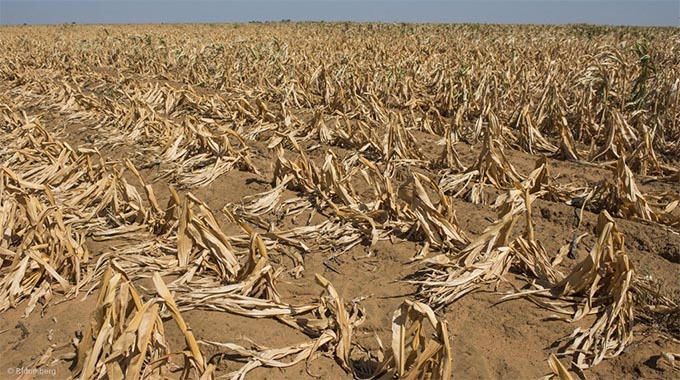
Analysts predict that in the next three weeks, Nigeria, Angola, and Zambia, still grappling with double-digit inflation, will raise interest rates and only begin reducing them next year.
Mounting price pressures from the resurgence of the dollar, foreign-currency crunches and adverse weather conditions are set to lead to delayed and shallower interest-rate cuts for African central banks this year.
Over the next three weeks, analysts predict Nigeria, Angola and Zambia, who are still fighting double-digit inflation, will raise interest rates and only start reducing them next year.
South Africa, Egypt, Kenya and Ghana’s monetary policymakers are expected to stand pat before cutting rates in the second half of this year. Mozambique, an outlier, is forecast to continue lowering borrowing costs.
Expectations since April of higher-for-longer US interest rates have led money to flow back into its markets, strengthening the dollar.
The stronger greenback has increased the cost of imports such as food and oil for African nations and those that have borrowed in the currency face steeper repayments, worsening local liquidity and balance-of-payments conditions.
South Africa, whose economy is more connected with global markets through asset flows and commodity prices, is particularly susceptible to Fed moves.
“With US yields having backed up about 50 basis points since January, their margin to ease has eroded,” said Frank Gill, managing director at S&P Global Ratings.
The South African Reserve Bank is expected to hold rates steady at 8,25 percent on May 30, one day after the nation votes in what’s likely to be the closest election since 1994.
Foreign-Exchange Shortages
Amid a post-pandemic shortage of hard currency on the continent, exacerbated by heavy debt burdens, shocks to food prices from the war in Ukraine and rising US rates, African nations have adopted a variety of approaches to improve liquidity.
Angola, Egypt and Nigeria in the past year devalued their currencies in a step toward a free-floating exchange rate and curtailed some costly subsidies. Their moves have fanned inflation and prompted steep rate increases.
Nigeria’s steps initially fuelled a rally in the naira, but that has since largely reversed. In the past month, the unit has become the world’s worst-performing currency.
“With renewed challenges presenting themselves, among others sluggish demand from international investors amid concerns over dwindling reserves,” pressure has increased on the central bank to lift rates, said Danelee Masia, senior economist for sub-Saharan Africa at Deutsche Bank.
Nigerian central bank Governor Olayemi Cardoso recently said interest rates would stay high for as long as necessary to contain inflation. He will deliver the verdict of the next policy decision on May 21.
Egypt’s measures — together with a deal struck with the United Arab Emirates to develop a premium area on the nation’s Mediterranean coast — helped it secure an international bailout of US$57 billion. Companies are now reporting greater availability of foreign currency, inflation has eased and the pound has been relatively stable.
Still, with inflation at 32,5 percent and expected to be above 20 percent by the end of the year, its monetary policy committee will probably hold rates steady for the next few months.
A cut is only likely in the fourth quarter of 2024, said Mohamed Abu Basha, head of research at Cairo-based EFG Hermes.
In Angola, price pressures are seen abating in the second half of the year, likely resulting in lower rates in 2025, Samantha Singh-Jami, Africa strategist at Rand Merchant Bank, said in a research note.
El Niño-induced floods in Kenya and drought in Zambia, Ghana and Mozambique are complicating efforts to curb inflation.
For Kenya, it’s expected to impact food prices, halting a downward trend in inflation that’s at 5 percent thanks to currency appreciation.
In Zambia, the drought has weighed on its currency as imports of food and electricity have increased, worsening a dollar shortage. The country relies on hydro-power generation, which has been hampered by low water levels.
Dry weather in Ghana has led to a slump in cocoa earnings, fuelling a sell-off in the cedi. The country is the world’s second-largest producer of the key ingredient in chocolate. Its revenues from cocoa exports, a vital source of foreign currency, fell by almost a third to US$508 million in the first two months of the year. — Bloomberg.



 Online Reporter