Online Reporter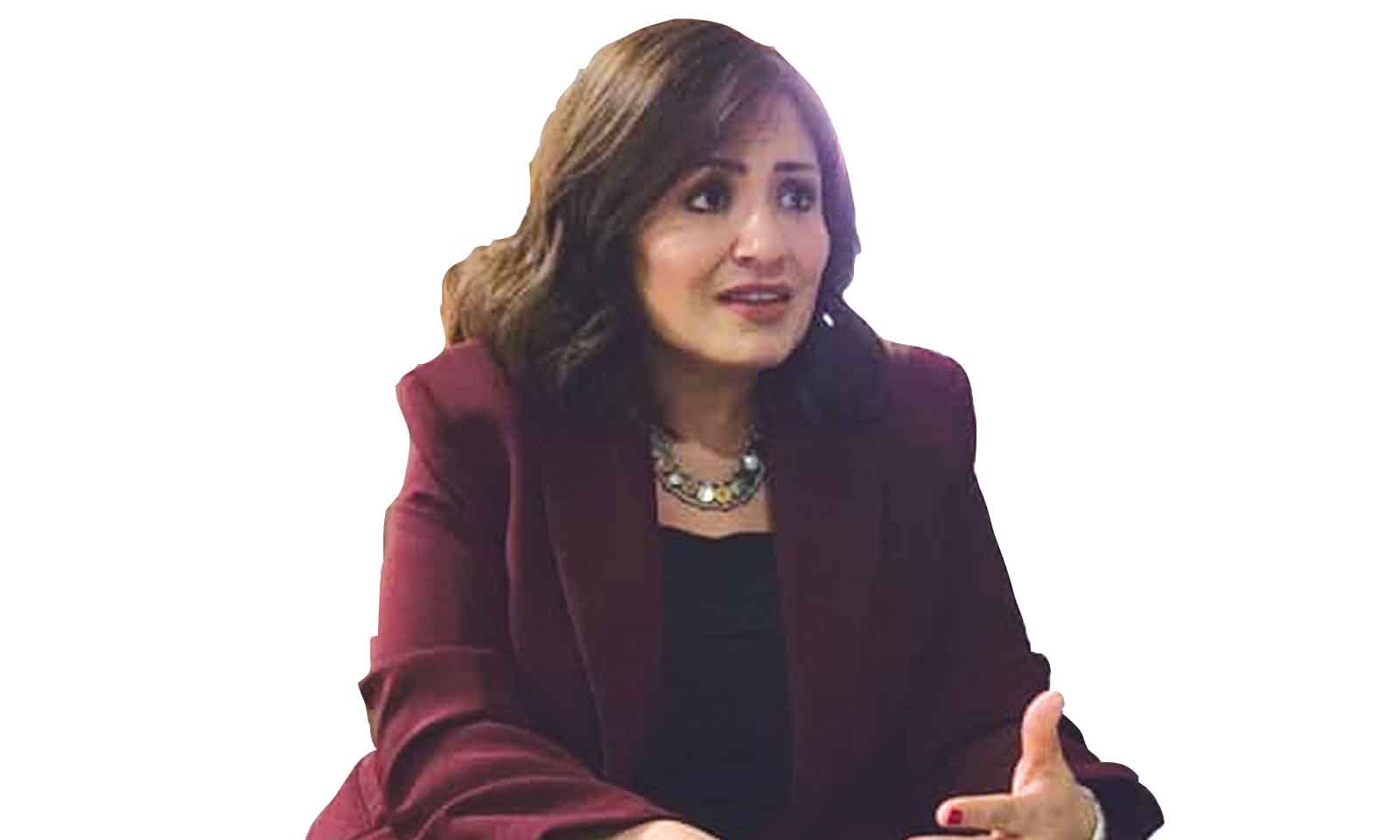
STRONG diplomatic ties between Zimbabwe and Egypt, rooted in the fraternal contacts of the 1960s with President Gamal Abdel Nasser, have flourished since independence in 1980. To explore how this historical alliance is now being translated into tangible economic benefits for peoples of both countries, Zimpapers Politics Hub’s GIBSON NYIKADZINO spoke with Egypt’s new Ambassador to Zimbabwe, DR MAHA KAMEL. Below are the excerpts from the interview.
*******************
Q: You officially commenced your duties as Egypt’s Ambassador to Zimbabwe on December 11. What are you looking forward to during your tenure?
A: Zimbabwe-Egypt bilateral relations are historical.
Egypt played a critical and significant role in supporting the liberation movements in several African countries, and Zimbabwe was among the first countries that received this support. We cherish these relations.
This has always been the case, and we continue to build on these excellent political ties to boost and further our economic ties in the investment and trade arena.
During the last few years, our trade relations have doubled. Both countries are members of COMESA, which paves the way for increasing economic trade and investment relations.
There are many exports coming from Egypt to Zimbabwe, be it in the pharmaceutical sectors, electrical equipment, food processing items, and many others. From Zimbabwe to Egypt, trade has especially been in tobacco and some agricultural products.
So, we are looking forward to furthering these ties, and, more importantly, the investment and trade ties between our countries.
This paves the way for the private sector to play a more prominent role in the development of both economies.
Q: Where do you see more investment and trade opportunities?
A: There are huge opportunities in many sectors like pharmaceuticals, agriculture, energy and construction.
As you may know, Egyptian companies have implemented and executed several important projects throughout the continent. In the last few years, we have signed a memorandum of understanding (MoU) between the new administrative capital of Egypt and the new capital of the smart city of Zimbabwe, in Mount Hampden, that is about to be implemented.
Q: What can be expected from the MoU?
A: This would pave the way for the Egyptian private sector to take part in the construction of the new cities and to replicate the successful experience that Egypt has had in the last few years in implementing its administrative capital in New Cairo. So, this is something that we are keen to implement, replicating our experience to our brothers in Zimbabwe.
Q: Are there any timelines for this?
A: Since I arrived here, I realised the timely movement that is happening in Zimbabwe, the Zimbabwean economy and the positive developments and positive economic stability that is taking place in recent months.
As you have mentioned, many projects are currently under implementation here, and we are supporting in any way we can. We are following up on these positive developments, and our private sector stands ready to be engaged.
So, we want to see the implementation as soon as possible in terms of the timelines. But we are doing this first on a government-to-government basis to pave the way and to allow for the private sector to engage in the implementation stage.
This is a very important and significant moment with the many developments going on in Zimbabwe, including the recent launch of the National Development Strategy 2.
These are all things that have various and significant projects that will introduce positive and drastic changes in Zimbabwe, and we stand ready to support in any way we can.
Q: What other kind of support is Egypt ready to render to Zimbabwe?
A: I would like to speak about the Egyptian Agency of Partnership for Development, which is a major and important development tool of the Ministry of Foreign Affairs and of the government of Egypt to support, to provide technical assistance, training and human resource development, not only to Zimbabwe, but also to all African countries.
We have several development and training programmes. We dispatch our experts to many African countries, including Zimbabwe.
The agency also plays an important and vital role in equipping and establishing training and media centres of excellence in many African countries.
It is playing a very significant role in Zimbabwe, which will continue to happen in the coming years.
Q: Given the severe challenge of online abuse against young women and girls, what is your message of hope to them, for their protection and empowerment?
A: As a woman who balances roles as a mother, a wife and a career diplomat, I understand the challenges firsthand.
My hope is that young women see in me — and in women like me — a living example that these roles can be navigated successfully.
This visibility can encourage them to believe in their own potential to drive influence and change.
When women are empowered, it means a lot for society. It means a lot for the new generation. It influences education, it influences productivity, it influences societal norms. So, it is really a key change.