admin
admin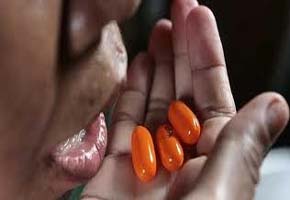
Botswana, Namibia and Swaziland provided 90 percent, 89 percent and 70 percent access respectively. Dr Salama said other countries have tried to scale down the numbers by empowering nurses to provide ART services.
DISCUSS THIS STORY ON FACEBOOK
He said lack of technology contributed to high infant death rates due to HIV and Aids.
“Technology is important, particularly on testing; testing in children is much more complicated than testing in adults as they require instant infant diagnosis,” said Dr Salama.
“We need new laboratory equipment and infrastructure to be able to come back quickly with the result of the HIV test and then initiate treatment if the child is HIV-positive.”
Dr Salama said Unicef is mobilising resources towards funding the infant diagnosis programme.
“We are very much hoping that this issue of paediatric ART will be prioritised on round 11 of the next Global Fund,” he said.
“We are currently working with the Ministry (Health and Child Welfare) in designing the proposal for round 11 of the Global Fund and we are very much anticipating that this issue of paediatric treatment and including the diagnosis will be prioritised.” Dr Salama said 55 000 poor households countrywide will receive cash transfers when the programme is launched next month.
The programme will be supporting Orphans and Vulnerable Children and it will be co-ordinated by the Ministry of Labour and Social Services under the National Action Plan.


 Online Reporter