Online Reporter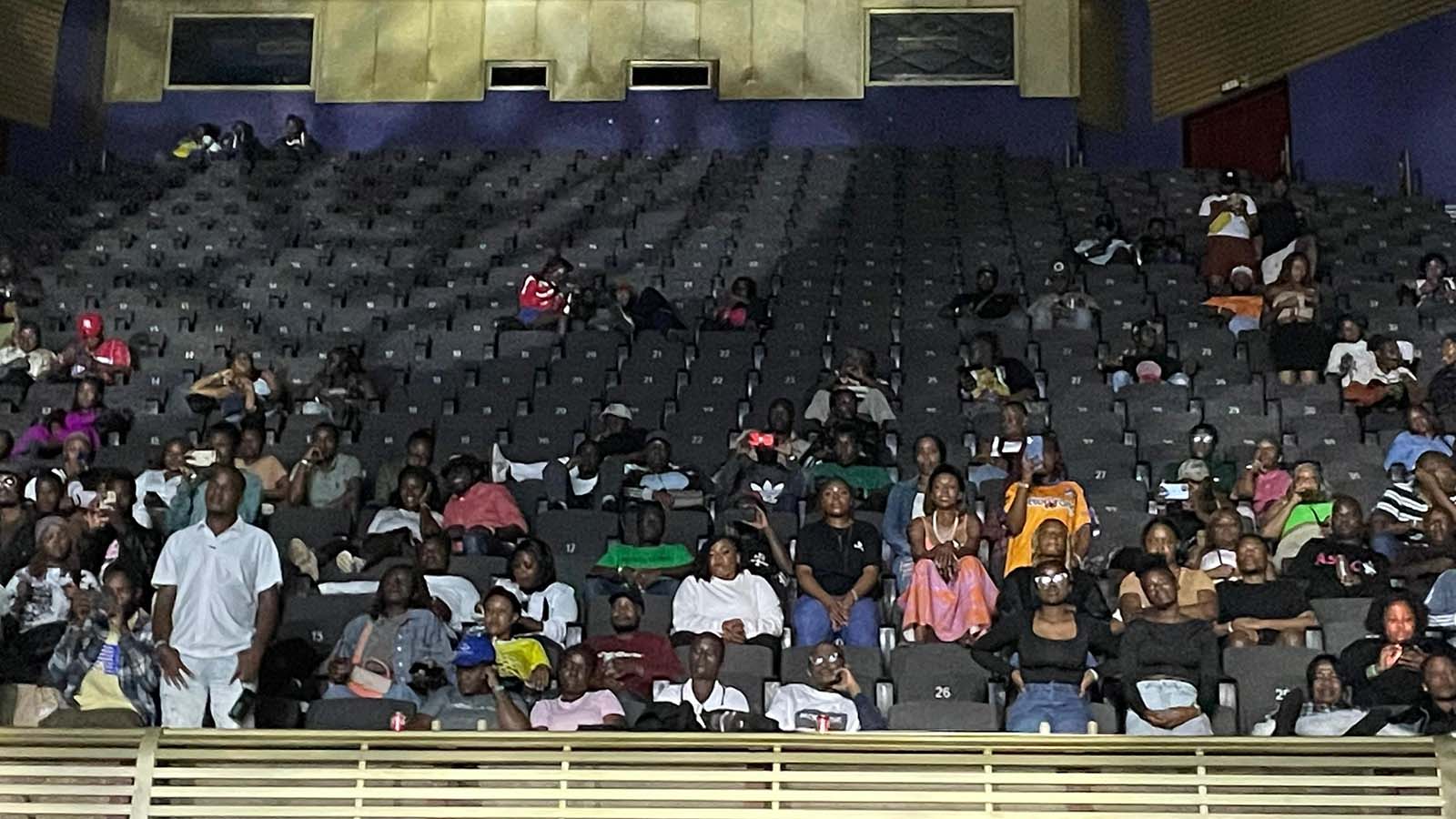
Tafadzwa Zimoyo and Maria Chiguvari-Zimpapers Entertainment Hub
WHAT was envisioned as a landmark cultural showcase turned into a sobering lesson in event planning, as Afro Culture Connect faltered under the weight of poor timing and inadequate marketing, resulting in a dismal turnout at the Harare International Convention Centre.
Organised by Massive Events, the show, which aimed to celebrate music and cultural convergence while tapping into the popular Gen Z versus Millennial narrative, struggled to attract a meaningful audience despite featuring established performers such as Nisha Ts, Feli Nandi, Voltz, Templeman, Xiba, Kadjah, and Jah Prayzah among others.
Visiting Jamaican artist Alaine Laughton despite the low turnout, was not affected by the mood and tempo of the event. At the core of the failure lies a critical miscalculation: timing. Held during the Easter period — a time traditionally reserved for religious observance and family gatherings — the event faced an uphill battle from the outset.
Across Zimbabwe, this is a period marked by travel to rural homes, church commitments, and reduced urban activity. In such a context, staging a large-scale entertainment event required not just confidence, but strategic precision. That precision, however, appeared lacking.
Compounding the issue was the organisers’ apparent failure to adequately assess the competitive landscape. On the same weekend, audiences were already drawn to other well-established events, including the popular Ama2K Festival and the Majeso Festival. Both events had cultivated strong brand identities and loyal followings, effectively fragmenting the available audience.
By overlooking these competing attractions, Afro Culture Connect entered an already saturated entertainment window—diluting its own potential turnout. Equally significant was the issue of marketing. For an event of such ambition, the promotional campaign lacked the intensity and reach required to penetrate a competitive and digitally driven market.
There was limited visibility across key platforms, minimal organic buzz, and no sustained momentum leading up to the event. In an era where audience engagement is often determined well before the day of the show, the absence of a compelling promotional push proved costly.
The result was evident on the ground.
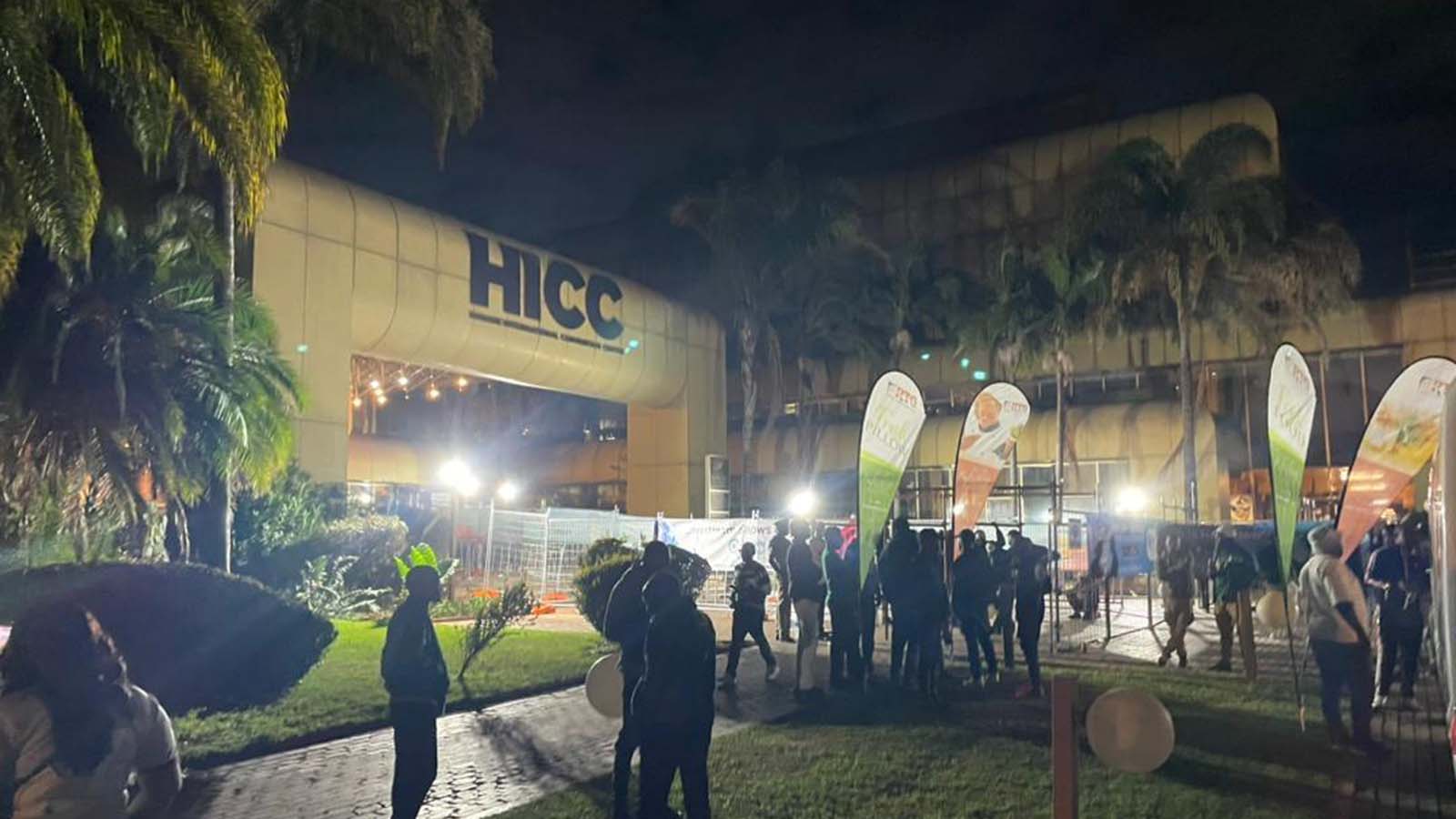
By late evening, a time typically associated with peak attendance, the venue remained visibly under-occupied. Parking bays were still available well into the night — an unusual sight for a headline event at HICC. Inside, large sections of empty seating disrupted the atmosphere, undermining both audience experience and performer engagement.
An attendee, visibly frustrated, did not hide their disappointment: “This was poorly planned from the start. You cannot host a big event like this without proper marketing and expect people to just show up. It feels like the organisers misjudged everything.”
In an attempt to manage optics, organisers later made the decision to allow patrons from the general access section into the VIP area. While this may have been intended to create a sense of density and improve the visual atmosphere, it raised concerns about fairness and value for money.
VIP ticket holders, who had paid a premium for exclusivity, found themselves sharing space with general attendees—effectively eroding the distinction between ticket tiers. This move not only highlighted the extent of the turnout challenges but also pointed to reactive rather than proactive event management.
On stage, however, professionalism prevailed.
Despite the circumstances, Jah Prayzah delivered a composed and energetic performance, maintaining his trademark stage presence and musical precision. His ability to engage a sparse audience underscored his experience and resilience as a performer.
Alaine Laughton also brought her characteristic vocal quality to the stage, though questions remain regarding her current market pull within Zimbabwe’s evolving music landscape.
Technical inconsistencies further undermined the event, with sound imbalances and production lapses affecting the overall delivery. Such issues, when combined with low attendance, contributed to a disjointed experience that fell short of expectations.
Ultimately, Afro Culture Connect serves as a case study in the importance of strategic alignment within the events industry.
A strong concept and reputable performers are no longer sufficient on their own. Success depends on a combination of accurate market analysis, effective timing, robust marketing, and seamless execution.
In this instance, the disconnect between ambition and preparation proved decisive.
The outcome is a stark reminder: in a competitive entertainment environment, even promising ideas can falter without the necessary groundwork to support them.