Online Reporter
Sikhumbuzo Moyo [email protected]
POOR water supplies and failing sanitation systems in local authorities could push Zimbabwe’s health system to the edge with adverse impacts on communities, Health and Child Care Minister, Dr Douglas Mombeshora, has warned.
Dr Mombeshora said reliable water, sanitation and hygiene (WASH) services were fundamental to the provision of safe and quality healthcare, warning that failure to maintain adequate water and sanitation systems could expose communities to increased disease outbreaks.

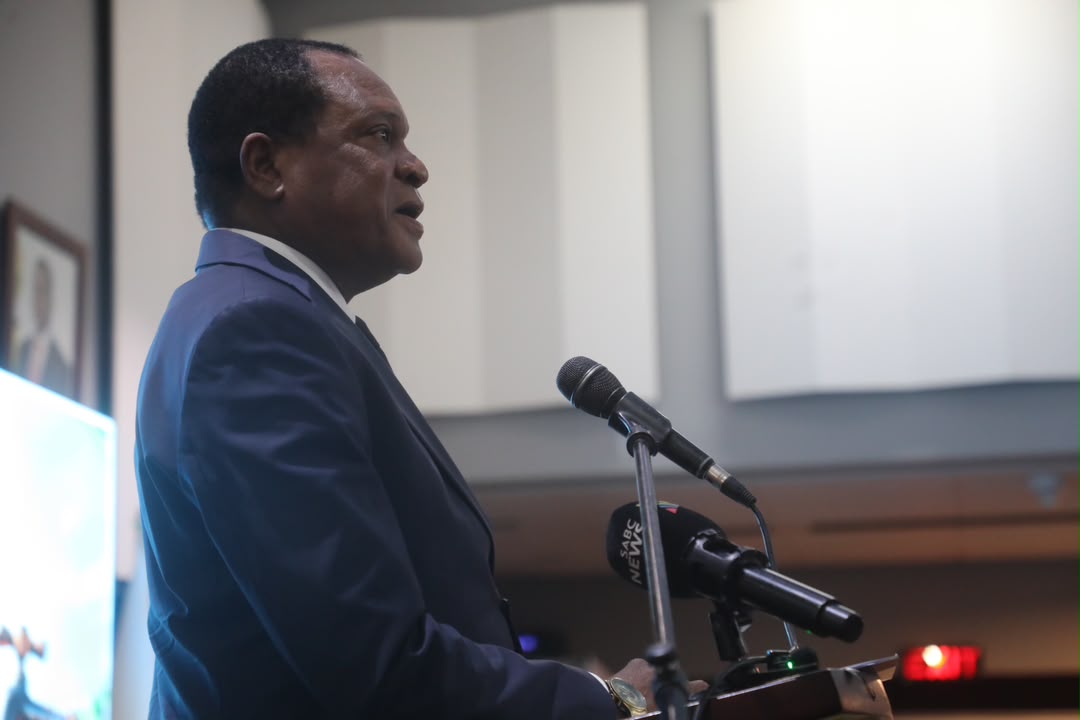
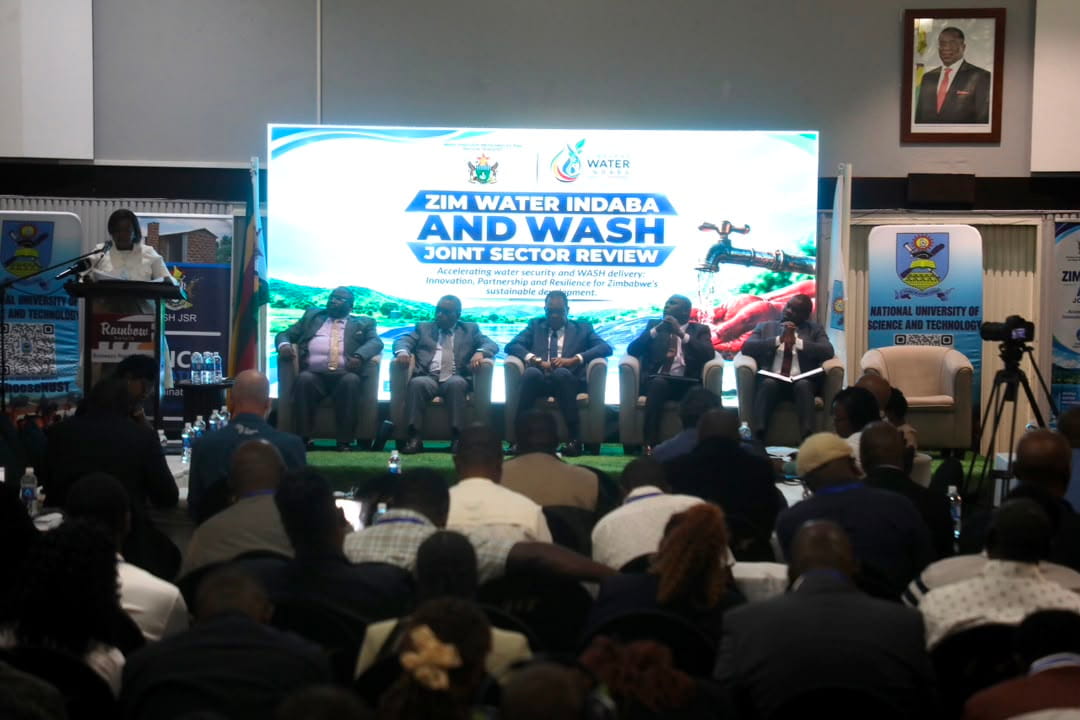
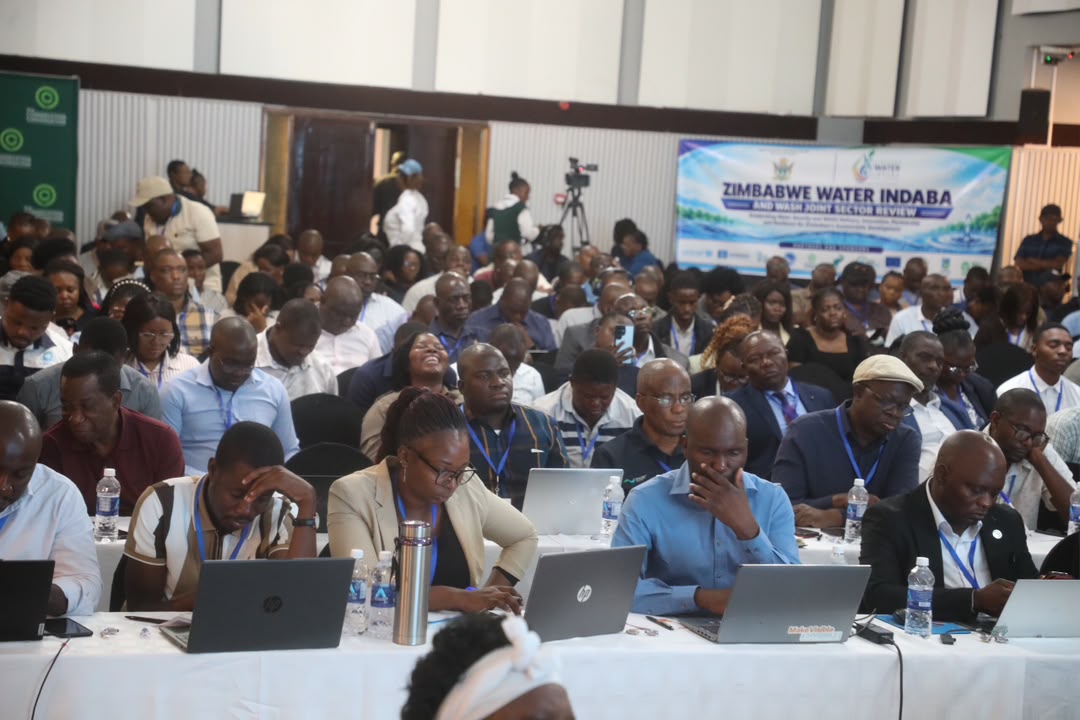
Dr Mombeshora was represented by Bulawayo Provincial Medical Director, Dr Shelly Takaza, at the inaugural Zimbabwe Water Indaba and WASH Joint Sector Review organised by the National University of Science and Technology (Nust) in Bulawayo last week.
“When health facilities lack reliable water, the quality and safety of healthcare are compromised,” said Dr Mombeshora.
He said health facilities required reliable water supplies, functional sanitation, hand-hygiene facilities, appropriate healthcare waste management, safe wastewater disposal and clean surroundings to provide quality healthcare.
“WASH in healthcare facilities is not an optional amenity; it is part of the foundation of healthcare,” he said.
Dr Mombeshora said Government needs to strengthen routine assessments of WASH conditions at health facilities and ensure that inspections resulted in corrective action.
He said the same approach should be extended to schools and communities, particularly rural communities, informal and peri-urban settlements, vulnerable households, women and girls and persons with disabilities.
The minister also highlighted the need to prioritise menstrual health and hygiene by ensuring access to water, sanitation, privacy and appropriate facilities for women and girls.
He said the country’s environmental health system also had a critical role to play in preventing diseases linked to unsafe water and poor sanitation.
Environmental health functions include water safety, sanitation and hygiene, food safety, healthcare waste management, chemical safety, occupational health and safety, air quality and disease surveillance.
“Our Environmental Health workforce is therefore a critical partner in achieving national WASH objectives,” said Dr Mombeshora.
He called for strengthened risk-based environmental health surveillance supported by adequate human resources, laboratories, inspection tools, data systems and effective coordination.
Dr Mombeshora said the country should move away from responding to diseases after outbreaks had occurred and instead identify and control environmental risks before they developed into public health emergencies.
“This requires stronger links between WASH monitoring, Environmental Health surveillance and national health information and disease surveillance systems,” he said.
The minister said climate change was also increasing the urgency of strengthening the country’s water and health systems.
He said drought reduced water availability while floods could contaminate water sources and damage sanitation infrastructure, with extreme heat creating additional risks for vulnerable communities.
“Our WASH and health systems must therefore become more climate-resilient,” he said.
Dr Mombeshora called for investment in resilient water sources, appropriate sanitation technologies, renewable energy, early warning systems, climate-informed surveillance, emergency preparedness and resilient health infrastructure.
He said solarisation of health facilities and water systems could, where appropriate, improve continuity of essential services. He also called for stronger use of science, technology and innovation in addressing the country’s water challenges.
The minister said universities and research institutions could contribute to water treatment, water-quality monitoring, climate-resilient sanitation, wastewater reuse, renewable energy, digital surveillance and environmental health.
However, Dr Mombeshora said innovations should be practical, affordable, sustainable and capable of being scaled up.
“WASH financing must cover the full life cycle of services—not only construction, but also operation and maintenance, rehabilitation, water-quality monitoring, laboratories, human resources, surveillance and climate resilience,” he said.
Dr Mombeshora also welcomed discussions around wastewater reuse, saying properly treated wastewater could support water reuse, resource recovery, agriculture and energy generation, provided public health safeguards were maintained.
He identified strengthening WASH in healthcare facilities, environmental health surveillance, water-quality monitoring, healthcare waste and wastewater management, climate resilience and preparedness for cholera and other WASH-related outbreaks among the health sector’s priorities.
“The ultimate test will be what happens after this meeting. Will communities receive safer and more reliable water? Will sanitation services improve? Will health facilities have reliable WASH services? Will our systems become more resilient to climate change?” said Dr Mombeshora.
He said his ministry remained committed to working with other Government departments, local authorities, water utilities, academia, development partners, the private sector and communities to improve water, sanitation and hygiene services.