admin
admin
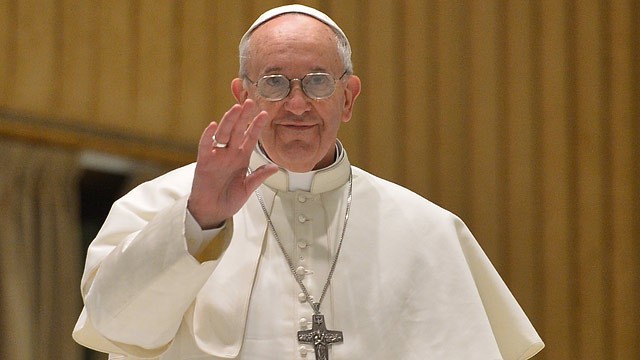
VATICAN CITY. — Nearly half a million Catholics have signed a petition urging Pope Francis to condemn same sex unions as unnatural and rule out allowing divorced believers who remarry to receive communion, organisers claim.
The Filial Appeal on the Future of the Family, launched by a group describing itself as an alliance of lay Catholics and pro-Life organisations, has also secured the backing of more than 100 senior clerics, including many bishops from the developing world and American cardinal Raymond Burke, an arch-conservative who has been sidelined within the Vatican hierarchy since Pope Francis was elected two years ago.
According to the Appeal’s website, more than 462 700 people had, by yesterday, signed the petition, which urges Pope Francis to uphold traditional teaching ahead of an October synod which will review how the Church relates to gay and divorced followers.
The petition claims that a first synod held last year had caused, “widespread confusion arising from the possibility that a breach has been opened within the Church that would accept adultery — by permitting divorced and then civilly remarried Catholics to receive Holy Communion — and would virtually accept even homosexual unions when such practices are categorically condemned as being contrary to divine and natural law.”
Pope Francis has made it clear he wants the church to adopt a more inclusive, understanding approach to believers living “irregular” lifestyles.
He caused consternation amongst traditionalists last year when, asked about his attitude to gay Catholics, he responded: “Who am I to judge?”
Earlier this month, the pope said the Church had to provide a better welcome for those who have established a new relationship after the failure of a marriage.
“These people are not ex-communicated . . . And they absolutely must not be treated as such,” he said on August 5.
Participants in last year’s synod described a marked difference in the approach of generally pro-reform bishops from Europe and more conservative prelates from Asia, Africa and Latin America. — AFP.


 Online Reporter